For manufacturers, sustainability is no longer a side conversation. It is increasingly part of procurement criteria, supplier assessment, operational planning, and brand reputation.

Whether the priority is reducing environmental impact, improving supply chain standards, meeting internal ESG targets, or choosing partners that align with wider business goals, decision-makers are under growing pressure to work with suppliers that can demonstrate real progress rather than vague claims.

That is why sustainable manufacturing matters in signage as much as it does in any other area of production and facilities management.

At Hardy Signs, sustainability has been part of the business journey for many years. Since moving to Hardy Place in 2011, we have continued to invest in more efficient technologies, cleaner production methods, and practical improvements that help reduce environmental impact while maintaining the quality, service, and reliability our customers expect.

Why Sustainability Matters in Signage Procurement

For procurement officers and operational decision-makers in manufacturing, supplier choice is about more than cost alone.

A signage partner may be responsible for internal signage, external branding, wayfinding, health and safety communication, vehicle graphics, digital displays, or multi-site rollouts. That means the supplier’s standards, materials, manufacturing methods, and long-term capability all reflect on the business buying from them.

When assessing signage suppliers, manufacturing businesses increasingly need to consider:

  • how products are manufactured
  • what materials and inks are being used
  • whether the supplier is investing in cleaner technologies
  • how energy efficient the production process is
  • whether sustainability improvements are backed by real operational action
  • how future-ready the supplier is in terms of environmental performance

This is where a more sustainable approach to signage manufacturing becomes commercially relevant, not just environmentally beneficial.

Investing in More Sustainable Manufacturing

Since relocating to Hardy Place in 2011, Hardy Signs has used that investment in facilities to strengthen its environmental approach and improve the efficiency of its operations.

Early steps included investing in modern printing equipment and installing more than 200 solar panels at the site. These improvements helped reduce reliance on traditional energy sources, lower electricity costs, and cut annual carbon emissions.

The business also invested in latex printing technology, allowing the use of water-based, solvent-free inks. This supported a move towards cleaner production methods and reduced the use of more harmful alternatives traditionally associated with signage printing.

Alongside this, the facility lighting was upgraded to a low-energy LED system to improve efficiency across the site.

These changes were not introduced as isolated gestures. They formed part of a wider effort to modernise operations, improve sustainability, and ensure Hardy Signs could continue to meet customer expectations with a more responsible manufacturing model.

Why This Matters to Manufacturing Buyers

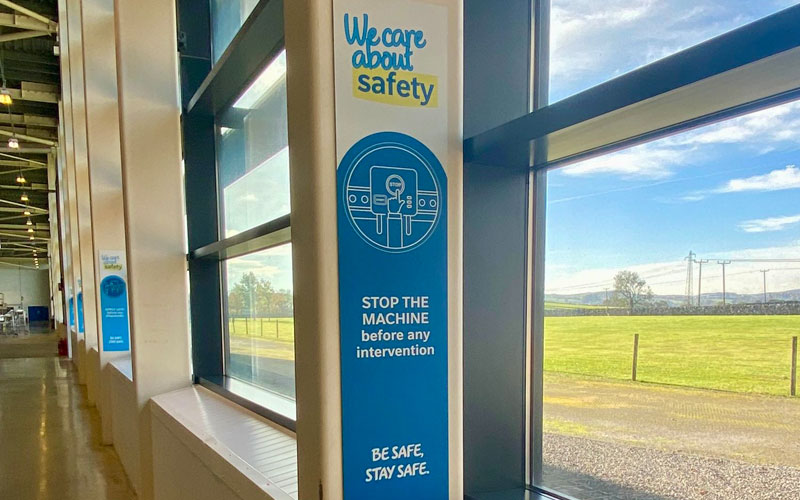
In manufacturing environments, signage often plays a critical operational role. It supports safety, compliance, navigation, site communication, workflow visibility, and brand presentation across busy and complex sites.

For procurement teams, that means choosing a signage supplier that can deliver reliably and instil confidence in how products are made.

A supplier that invests in more sustainable technologies can help support wider organisational priorities such as:

  • responsible sourcing
  • environmental reporting
  • supplier performance standards
  • long-term value rather than short-term decisions
  • alignment with internal sustainability targets
  • reduced waste and more efficient production practices

For many manufacturers, sustainability is now part of the definition of quality. It is not just about what is delivered, but how it is delivered.

Sustainable Investment Must Still Support Service

One of the biggest concerns for procurement professionals is whether sustainability improvements come at the expense of service, lead times, or operational reliability.

In reality, the right investment should strengthen all three.

At Hardy Signs, the focus has been on adopting technologies and processes that improve sustainability while continuing to meet customer demands across the UK. That includes maintaining quality standards, investing in staff capability, and ensuring production improvements support rather than disrupt service delivery.

For decision-makers in manufacturing, this balance is important. A supplier should not simply talk about environmental ambition. They should be able to demonstrate that investment in sustainability is being matched by investment in operational performance and long-term capability.

Transport, Supply Chain and Ongoing Review

Sustainability in manufacturing does not begin and end on the production floor. It also includes transport, logistics, supplier relationships, and ongoing review of raw materials and working methods.

With a fleet covering significant annual mileage, Hardy Signs has also taken steps to improve transport sustainability, including the introduction of hybrid vehicles as part of a longer-term transition. The wider goal is to continue reviewing transport, materials, suppliers, and production technology in line with both environmental progress and customer service requirements.

This matters because procurement teams are increasingly looking beyond the final product. They want to understand whether a supplier is actively improving across the broader supply chain and preparing for future expectations around environmental performance.

Recognition for Sustainable Progress

Hardy Signs’ investment in more sustainable technology has also been recognised externally.

In 2017, the business received the Business Improvement Through Technology Award from the East Midlands Chamber of Commerce. A key factor in that recognition was the company’s commitment to building a more sustainable manufacturing output through investment in equipment, processes, and facilities.

For procurement teams, this kind of recognition helps provide additional confidence that sustainability improvements are not simply marketing messages, but part of a wider operational strategy.

What Procurement Teams Should Look For in a Signage Supplier

If you are reviewing signage suppliers for a manufacturing environment, there are several questions worth asking:

  • Is the supplier investing in modern, efficient manufacturing technology?
  • Can they explain how their production processes are improving over time?
  • Are they reviewing materials, inks, energy use, and transport?
  • Can they support both sustainability goals and operational demands?
  • Do they have the capability to deliver consistently across multiple projects or sites?
  • Are they building long-term value, not just fulfilling immediate orders?

These questions are becoming increasingly important for procurement officers who need suppliers to align with both commercial and environmental expectations.

A Practical Approach to Sustainable Signage Manufacturing

At Hardy Signs, we understand that manufacturing clients need more than promises. They need a signage partner who can combine quality, reliability, and practical progress in sustainability.

Our investment in facilities, technology, and training is part of a long-term commitment to delivering signage solutions responsibly while continuing to meet the operational needs of customers across the manufacturing sector.

From safety signage and wayfinding to branded environments, digital signage, and large-scale site support, we work with businesses that need signage to perform in demanding environments — and want confidence in the supplier behind it.

Talk to Hardy Signs

If your business is reviewing signage suppliers and wants a partner that understands the needs of manufacturing environments, Hardy Signs can help.

We work with manufacturers across the UK to deliver signage solutions that support safety, consistency, operational performance, and long-term procurement confidence.

For growing businesses, brand consistency is not just a marketing concern. It affects how customers, visitors, staff, and stakeholders experience the business across all locations.

That is where brand consistency signage plays an important role.

From exterior signs and reception branding to wayfinding, wall graphics, digital displays, and vehicle graphics, signage helps turn brand guidelines into a real-world experience. When design is handled well, it creates a more professional, recognisable, and joined-up brand presence. When it is handled poorly, even strong brands can appear inconsistent, dated, or difficult to trust.

At Hardy Signs, we help businesses use signage design to support stronger brand consistency across their sites, spaces, and customer touchpoints.

What Is Brand Consistency Signage?

Brand consistency signage is signage designed to present a business in a clear, unified, and recognisable way across every physical environment.

This can include:

The goal is not simply to make signage look attractive. It is to make sure every location reflects the same level of professionalism, quality, and brand identity.

For marketing managers, this protects the brand. For facilities managers, it creates a more coherent and easier-to-manage environment. For decision-makers, it supports a stronger overall business image.

Why Brand Consistency Signage Matters

A customer or visitor may not consciously analyse every sign they see, but they will notice when a site feels inconsistent.

Different colours, outdated graphics, mixed messaging, poor-quality finishes, or disconnected wayfinding can all weaken the impression a business gives. In contrast, strong brand consistency signage helps create an environment that feels organised, credible, and well-managed.

This matters because signage is often one of the first things people encounter. Before they speak to your team or engage with your services, they are already interpreting your business through your physical environment.

Well-designed signage helps ensure a positive first impression.

Signage Design Supports Brand Recognition

One of the most important roles of signage is to reinforce brand recognition.

A logo alone is not enough to create a strong brand presence. The typography, colours, materials, scale, tone of messaging, and consistency of application across every site all shape how a business is perceived.

Effective brand consistency signage helps businesses create a recognisable visual identity across multiple locations and touchpoints. This is especially important for organisations with:

  • more than one site
  • customer-facing premises
  • retail or hospitality environments
  • large workplaces or estates
  • ongoing refurbishments or rebrands
  • national rollout requirements

When signage is aligned properly, the brand feels stronger and more established wherever it appears.

Why It Matters to Marketing Managers

For marketing managers, one of the biggest challenges is ensuring the brand is represented consistently beyond digital channels and printed materials.

A business may have strong brand guidelines, but if signage is inconsistent from site to site, the customer experience quickly becomes fragmented. Exterior signs, interior branding, campaign graphics, promotional displays, and wayfinding all contribute to how the brand is experienced in practice.

Strong brand consistency signage helps marketing teams:

  • maintain visual consistency across locations
  • support launches, refurbishments, and campaigns
  • improve the quality of branded environments
  • create a better customer experience
  • protect brand standards in physical spaces

This is particularly important when marketing teams are working across multiple stakeholders, locations, or suppliers.

Why It Matters to Facilities Managers

For facilities managers, signage has to do more than reflect the brand. It also has to function properly in the space.

That means signage needs to support navigation, legibility, durability, compliance, and day-to-day usability. A well-designed signage scheme can make a site easier to understand, easier to maintain, and more consistent for visitors, staff, and contractors.

From reception areas and wayfinding to safety signage and room identification, brand-consistent signage helps facilities teams create spaces that feel both practical and professional.

It also helps reduce the disjointed feel that can happen when signs are replaced reactively over time without a clear design standard.

Brand Consistency Is Especially Important Across Multiple Sites

For businesses operating across several locations, consistency becomes harder to manage — and more important to get right.

Different installers, changing local requirements, legacy signage, and varying site conditions can all lead to inconsistency. Over time, this can dilute brand impact and create a patchwork experience across the estate.

A structured approach to brand consistency signage helps businesses standardise design, materials, messaging, and application across multiple sites while still allowing for practical site-specific requirements.

For decision-makers, this brings important commercial benefits:

  • better brand control
  • more professional presentation
  • easier rollout planning
  • improved stakeholder confidence
  • stronger alignment between marketing, operations, and facilities

Good Signage Design Balances Brand and Function

The most effective signage does not just look right. It also works hard.

Good design should support:

  • visibility
  • readability
  • navigation
  • durability
  • accessibility
  • consistency
  • brand alignment

That is why signage design should never be treated as an afterthought. The right approach combines brand understanding with practical delivery, ensuring the signage performs well in the real environment while still supporting the wider identity of the business.

Choosing the Right Signage Partner

If your business is investing in rebranding, refurbishments, customer experience, or multi-site improvement projects, signage should be part of that conversation from the start.

The right signage partner should be able to help with more than production alone. They should understand how to translate brand standards into real-world applications, maintain consistency across different applications, and deliver signage that meets both visual and practical requirements.

At Hardy Signs, we design, manufacture, and install bespoke signage solutions for businesses across the UK. We work with organisations that need brand consistency signage to support stronger customer experiences, cleaner environments, and more consistent presentation across their sites.

Talk to Hardy Signs About Brand Consistency Signage

If your business needs help improving brand consistency across signage, graphics, and physical environments, Hardy Signs can help.

Whether you are planning a rebrand, updating a workplace, or managing signage across multiple sites, we can support you with signage solutions that strengthen your brand and perform effectively in the real world.

Outdoor signage is often the first thing people see when they arrive at your premises, pass your site, or look for your business in a busy environment.

That first impression matters.

The right outdoor signage helps businesses stand out, improve visibility, guide visitors, promote offers, reinforce branding, and create a more professional presence. For some organisations, outdoor signs are primarily about identification. For others, they are a practical tool for navigation, safety, promotion, or site presentation.

At Hardy Signs, we design, manufacture, and install a wide range of outdoor signage for businesses across the UK. The best solution depends on your site, your audience, and what you need the signage to achieve.

Here is a guide to the main types of outdoor signage we offer and the benefits of each.

Illuminated Signs

Illuminated signs are one of the most effective forms of outdoor signage for businesses that want strong visibility throughout the day and into the evening.

They are particularly useful for retail, hospitality, leisure, and customer-facing environments where standing out is important. Illuminated signage can also enhance the look of a premises and help create a more premium brand impression.

Benefits of illuminated signs:

  • improved visibility in low light and at night
  • stronger brand presence
  • greater impact from a distance
  • a more modern, professional appearance
  • added prominence for customer-facing locations

Fascia Signs

Fascia signs are among the most important elements of an external signage scheme. Positioned at the front of a building, they are often the primary identifier for the business and play a major role in first impressions.

For shops, offices, restaurants, pubs, showrooms, and commercial premises, a fascia sign needs to be clear, well-made, and aligned with the brand.

Benefits of fascia signs:

  • clear business identification
  • stronger street presence
  • improved brand recognition
  • a professional shopfront or building frontage
  • suitable for a wide range of sectors and premises

Post and Panel Signs

Post and panel signs are a popular choice for sites that need clear external identification, directional signage, or information display.

They are commonly used at business parks, schools, industrial sites, healthcare facilities, public buildings, and larger commercial locations where visibility from different angles is important.

Benefits of post and panel signs:

  • highly visible from a distance
  • suitable for site entrances and directional use
  • durable in outdoor conditions
  • can be single-sided, double-sided, or multi-panel
  • useful for larger or more complex sites

Wayfinding Signage

Wayfinding signage is designed to help visitors, staff, contractors, and customers move around a site more easily. It is especially valuable in larger environments where people need clear, consistent directions.

Hospitals, schools, business parks, industrial estates, visitor attractions, and multi-building sites all benefit from an effective wayfinding scheme.

Benefits of wayfinding signage:

  • helps people navigate more confidently
  • improves visitor experience
  • reduces confusion and interruptions
  • supports site organisation
  • creates a more professional and accessible environment

Traffic Signs

Traffic signs are an essential part of many external signage schemes, particularly for sites with car parks, access roads, loading areas, or vehicle movement.

They help keep sites organised, support safety, and ensure road and traffic management measures are clearly communicated.

Benefits of traffic signs:

  • improves site safety
  • supports compliance and best practice
  • helps control vehicle movement
  • reduces confusion for drivers and pedestrians
  • essential for busy commercial or industrial sites

Industrial Signs

Industrial sites often require a combination of identification, directional, operational, and health and safety signage. These environments demand signs that are practical, hard-wearing, and suitable for larger-scale buildings and outdoor areas.

At Hardy Signs, we work with manufacturers, warehouses, and industrial businesses that need outdoor signs to support both branding and operations.

Benefits of industrial signs:

  • clear site identification
  • improved navigation across larger facilities
  • support for operational efficiency
  • reinforcement of health and safety messaging
  • suitable for demanding outdoor environments

Hoarding Boards

Hoarding boards are widely used on construction, redevelopment, and fit-out projects. They provide both a practical boundary and a strong promotional opportunity before a project is complete.

For developers, contractors, retailers, and property teams, hoarding graphics can turn a temporary barrier into a branding and marketing asset.

Benefits of hoarding boards:

  • promotes a project before launch or completion
  • improves site presentation
  • supports marketing and brand awareness
  • acts as a security and screening barrier
  • ideal for developments, refurbishments, and new openings

Banners and Flags

Banners and flags are a flexible form of outdoor signage that can be used for promotions, events, campaigns, temporary messaging, and branding.

They are particularly useful for organisations that want a quick-turnaround signage solution or need something adaptable for changing activity.

Benefits of banners and flags:

  • cost-effective outdoor promotion
  • suitable for events and temporary campaigns
  • fast to produce and install
  • eye-catching and versatile
  • available in a wide range of sizes and formats

Pavement Signs

Pavement signs, often called A-boards or sandwich boards, are ideal for businesses that want to capture passing footfall and highlight offers, menus, promotions, or directional messages close to the point of entry.

They are especially common in retail and hospitality environments.

Benefits of pavement signs:

  • attracts passing attention
  • supports promotions and daily messaging
  • flexible and easy to update
  • useful for shops, cafés, pubs, and restaurants
  • adds an extra layer to a wider signage scheme

Pub Signs

Pub signs remain one of the most recognisable and characterful forms of outdoor signage. They are not only functional but also an important part of a hospitality venue’s identity and visual appeal.

With roots in Burton upon Trent’s brewing heritage, Hardy Signs has extensive experience in producing pub signage using both traditional craftsmanship and modern manufacturing methods.

Benefits of pub signs:

  • creates a distinctive hospitality identity
  • strengthens kerb appeal
  • supports brand character and heritage
  • helps venues stand out in competitive locations
  • suitable for pubs, bars, inns, and hospitality venues

Door Signs

Door signs may be smaller than other forms of outdoor signage, but they still play an important role. They help communicate entry points, access information, opening details, welcome messages, or operational instructions clearly and professionally.

Benefits of door signs:

  • improves clarity at entrances
  • helps visitors identify the correct access point
  • supports a welcoming and organised environment
  • useful for both customer-facing and operational spaces
  • available in a wide range of materials and finishes

Interpretation Signs

Interpretation signs are designed to inform, educate, and enhance outdoor spaces. They are often used in parks, heritage locations, visitor attractions, education settings, and natural environments where context and storytelling are important.

Benefits of interpretation signs:

  • brings places and stories to life
  • enhances visitor engagement
  • supports education and public information
  • suitable for outdoor and natural environments
  • can be tailored to a wide range of locations and audiences

Which Outdoor Signage Is Best for Your Business?

The best type of outdoor signage depends on what your business needs to achieve.

You may need:

  • fascia signage to improve first impressions
  • illuminated signage to increase visibility
  • wayfinding signage to help people move around your site
  • traffic and industrial signage to support safety and operations
  • hoarding boards to promote a new development
  • banners and flags for short-term campaigns
  • pavement signs to attract passing customers

In many cases, the most effective approach is not one sign alone, but a coordinated outdoor signage scheme that supports branding, visibility, navigation, and site presentation together.

Talk to Hardy Signs About Outdoor Signage

If you are reviewing your current signage, planning a rebrand, opening a new site, or looking to improve visibility and site presentation, Hardy Signs can help.

We design, manufacture, and install bespoke outdoor signage for businesses across the UK, helping organisations choose the right signage solutions for their environment, brand, and operational needs.

Creating a strong customer experience is not just about service, products, or location. The physical environment plays a major role in how people feel about a business, and signage is a big part of that.

From the moment someone sees your building, enters your reception area, visits your retail space, or moves around your site, signage helps shape their experience. It influences how easily they navigate, how they interpret your brand, and how memorable that environment feels.

That is why experiential signage is becoming increasingly important for businesses that want to create more engaging, consistent, and effective spaces.

At Hardy Signs, we design, manufacture, and install signage and graphics that do more than display information. We help businesses create branded environments that leave a stronger impression on visitors, customers, and staff.

What Is Experiential Signage?

Experiential signage is signage designed to do more than identify a business or provide directions. It is used to create an environment, reinforce a brand, and improve how people experience a space.

This can include:

Used well, experiential signage helps businesses create spaces that feel more distinctive, more engaging, and more aligned with their brand.

For marketing managers, this supports customer engagement and brand consistency. For facilities managers, it helps create clearer, more usable, and better-presented environments. For decision-makers, it strengthens the overall quality and perception of the business.

Why Experiential Signage Matters

Customers and visitors often make decisions quickly. Before they speak to anyone, they are already responding to what they see around them.

A poorly presented environment can feel forgettable, inconsistent, or difficult to navigate. A well-designed environment can feel professional, welcoming, and memorable.

This is where experiential signage adds value. It helps transform signage from a basic necessity into part of the customer journey. It can:

  • improve first impressions
  • support brand recognition
  • make spaces easier to navigate
  • create a more engaging atmosphere
  • encourage repeat visits
  • strengthen the connection between brand and environment

For businesses operating in competitive sectors, that difference matters.

Signage Helps Turn Space Into Brand Experience

A business may have strong branding on paper, but physical spaces are where people experience that brand in real life.

Exterior signage, interior graphics, display features, and wayfinding all contribute to whether a space feels consistent and intentional. When signage is designed strategically, it can bring together brand colours, messaging, imagery, materials, and tone to create an environment that feels joined up.

This is especially important for businesses that want to create a memorable experience for customers, visitors, or employees.

Whether it is a retail setting, office, showroom, hospitality venue, or large commercial site, experiential signage helps turn everyday environments into brand experiences.

Why It Matters to Marketing Managers

For marketing managers, experiential signage is an important part of delivering the brand consistently across physical touchpoints.

Digital campaigns, social media, and printed materials may be well controlled, but the in-person experience can quickly become disconnected if the physical environment does not reflect the same standards.

Experiential signage helps marketing teams:

  • create more memorable branded environments
  • improve visual consistency across locations
  • support campaigns, launches, and promotions
  • make customer-facing spaces more engaging
  • reinforce the identity and personality of the brand

It is not just about visibility. It is about making the brand feel real in the space.

Why It Matters to Facilities Managers

For facilities managers, signage must also perform practically.

It needs to be durable, clear, suitable for the environment, and easy to maintain. Experiential signage should never come at the expense of usability. The best solutions combine strong visual design with practical function.

That means helping people move through a site easily, understand where they are, and interact with the space more confidently. In workplaces and public-facing settings, this can improve visitor flow, reduce confusion, and create a more professional atmosphere.

For facilities teams, experiential signage can support both presentation and function at the same time.

Types of Experiential Signage That Add Value

There are many ways signage and graphics can improve the experience of a space.

Wall and Wallpaper Graphics

Large-scale wall graphics can completely change the feel of an interior environment. They can reinforce branding, add energy to a space, support storytelling, or make a workplace or reception area more visually engaging.

Digital Signage

Digital signage allows businesses to present dynamic content that can be updated quickly and tailored to different audiences. It can be used for promotions, information, internal communications, visitor messaging, and interactive experiences.

Illuminated Signage

Illuminated signage adds visibility and impact, both externally and internally. It can help create focal points, improve brand presence, and make key messages stand out day and night.

Wayfinding Signage

Wayfinding is often seen as purely functional, but it also contributes to the wider experience of a space. Branded wayfinding helps visitors navigate confidently while maintaining visual consistency in the environment.

Vehicle Graphics

Vehicle graphics extend the brand beyond a fixed location. They can help raise visibility, strengthen recognition, and support a more consistent brand presence wherever the vehicle is seen.

Experiential Signage Is Especially Valuable in Customer-Facing Environments

Businesses that rely on footfall, visits, or in-person interaction can benefit significantly from a more considered signage experience.

This includes:

  • retail environments
  • showrooms
  • leisure and hospitality spaces
  • offices and receptions
  • healthcare and education settings
  • visitor attractions
  • multi-site businesses

In these settings, signage is not just functional. It helps shape how the environment is perceived and remembered.

Good Signage Design Balances Experience and Practicality

The most effective signage does not focus on appearance alone. It balances creativity with clarity, brand alignment with usability, and visual impact with long-term performance.

That is what makes experiential signage commercially valuable. It helps businesses create spaces that look better, work better, and leave a stronger impression.

At Hardy Signs, we work with businesses across the UK to create signage and graphics that support both customer experience and operational needs. From wallpaper graphics and digital displays to illuminated signs, vehicle graphics, and wayfinding, we help clients create environments that are easier to navigate, more engaging to spend time in, and more reflective of their brand.

Talk to Hardy Signs About Experiential Signage

If you are looking to improve your customer environment, strengthen your brand in physical spaces, or create a more engaging experience across your sites, Hardy Signs can help.

We design, manufacture, and install bespoke signage solutions that combine creativity, consistency, and practical delivery.

In busy workplaces, efficiency depends on more than people and processes alone. The physical environment also plays a major role in how smoothly a site operates.

When equipment is hard to find, work areas are unclear, instructions are inconsistent, or visitors interrupt staff for directions, time is lost and mistakes become more likely. Over time, these small friction points can affect productivity, safety, and the overall experience of the workplace.

That is why workplace signage for efficiency is so important.

Well-planned signs and graphics help people move through a space more easily, understand where things belong, and access key information quickly. In warehouses, manufacturing facilities, offices, and operational sites, signage can support a more organised, consistent, and efficient workflow.

At Hardy Signs, we help businesses create signage and graphics that do more than identify spaces. We design solutions that help workplaces function better.

Why Workplace Signage Matters for Efficiency

When a site is clearly organised, people make faster decisions and spend less time searching, asking, or second-guessing.

Signage can help reduce unnecessary movement, improve communication, reinforce procedures, and make work areas easier to understand at a glance. This is especially important in larger workplaces where several teams, processes, and visitors may all be using the same environment.

For operations teams, facilities managers, and decision-makers, effective signage can support:

  • clearer workflow across departments
  • better use of space
  • faster movement around the site
  • fewer avoidable mistakes
  • improved safety awareness
  • more consistent site standards
  • a better experience for staff, visitors, and contractors

In other words, signage helps make the environment work harder.

1. Clearly Label Equipment and Resource Areas

One of the simplest ways to improve workflow is to make equipment, tools, and key resources easier to locate.

Whether the site includes printers, scanners, stock areas, production machinery, first aid points, collection zones, or shared equipment stations, staff need to know where to find what they need without delay.

Clear signage helps remove uncertainty and reduces wasted time, particularly in busy or fast-moving environments. It can also help new starters, temporary staff, and contractors settle into the site more quickly.

In larger spaces, overhead signs, wall-mounted signs, and area markers can all help make equipment locations more visible and easier to identify from a distance.

2. Define Work Areas More Clearly

Many workplaces depend on clearly separated zones to keep operations running smoothly.

In a warehouse or manufacturing environment, this may include goods-in, dispatch, picking, assembly, quality control, storage, packing, and management. In offices or mixed-use environments, it could include departments, meeting spaces, reception, staff-only areas, and shared service points.

When these areas are not clearly labelled, people lose time, make mistakes, or interrupt others to ask where they need to go.

Good signage helps define each area clearly and consistently. This supports a more organised environment and makes it easier for staff to navigate the site as part of their day-to-day role.

For operational sites, this can have a direct impact on speed, clarity, and overall efficiency.

3. Keep Messaging Simple and Easy to Read

One of the biggest mistakes in workplace signage is trying to say too much.

The most effective signage is clear, direct, and easy to understand quickly. In a busy working environment, people do not have time to stop and read long explanations. Signs should communicate the message immediately.

This means using:

  • short wording
  • clear headings
  • strong contrast
  • readable typography
  • simple visual hierarchy

Where possible, signs should identify a place, action, or instruction without unnecessary wording. The clearer the message, the easier it is for people to act on it correctly.

For businesses looking to improve workflow, clarity is often more valuable than complexity.

4. Use Graphics and Visual Aids to Support Instructions

Not every important message should rely on text alone.

Graphics, symbols, and visual aids can help employees absorb information more quickly, especially when reinforcing procedures, safety expectations, or workflow steps. This is particularly useful in environments where staff need to make fast decisions or where information needs to be understood at a glance.

Visual communication can be used for:

  • process reminders
  • safety instructions
  • equipment guidance
  • workflow steps
  • operational notices
  • zone identification

Used properly, graphics can improve consistency and reduce the risk of messages being overlooked or misunderstood.

For facilities and operations teams, this can help create a site that is easier to manage and easier for people to work within.

5. Improve Movement With Better Wayfinding

An efficient workflow is not only about staff. It also includes how visitors, contractors, and delivery drivers move around the site.

If people cannot easily find reception, meeting rooms, collection points, welfare areas, or key departments, staff often end up stepping in to help. In larger facilities, this can create repeated interruptions and unnecessary friction throughout the day.

Wayfinding signage reduces that problem by helping people navigate independently and more confidently.

Good wayfinding can support:

  • visitor journeys
  • contractor access
  • departmental navigation
  • reception and check-in flow
  • movement through larger or more complex buildings

For workplaces that regularly receive external visitors or operate across larger footprints, better wayfinding can improve both efficiency and overall site experience.

6. Support Safety and Workflow at the Same Time

In many operational environments, safety and efficiency go hand in hand.

Clear signage reinforces safe movement, identifies hazards, separates pedestrian and vehicle routes, and highlights critical instructions without disrupting the pace of work. When done well, this helps create a site that is both more productive and easier to manage responsibly.

In manufacturing sites, warehouses, and industrial workplaces, signage often needs to serve multiple roles: supporting compliance, reducing confusion, and helping operations run smoothly.

That is why signage should be treated as part of the wider workflow system, not just as an afterthought.

7. Create Consistency Across the Entire Site

One-off signs added over time can lead to clutter, inconsistency, and confusion.

A more strategic signage approach helps businesses create consistent standards across departments, processes, and locations. This makes the environment easier to understand and gives the workplace a more organised, professional feel.

For decision-makers, consistent signage also makes it easier to scale site standards across multiple areas or multiple locations. That can be particularly valuable for businesses looking to improve operational control and maintain higher standards across their estate.

Better Signage Helps Workplaces Function Better

Workplace signage is often seen as purely practical, but its impact can be much broader.

Done properly, signage helps people work more efficiently, navigate more confidently, and interact with the environment more effectively. It supports workflow, reduces avoidable delays, and helps create a site that feels better organised from the ground up.

At Hardy Signs, we work with businesses across the UK to design, manufacture, and install signage solutions that improve clarity, efficiency, and consistency in real working environments.

Talk to Hardy Signs

If you are looking to improve workflow across your workplace, warehouse, office, or manufacturing site, Hardy Signs can help.

We create bespoke signage and graphics that support safer, more organised, and more efficient environments for staff, visitors, and operational teams.

Graphic design trends do more than influence what looks current. They shape how brands are experienced in the real world.

From wall graphics and interior branding to digital signage, shopfronts, campaigns, and promotional environments, design choices affect how professional, relevant, and memorable a business appears. For marketing teams, this is about brand impact. For decision-makers, it is about ensuring branded spaces continue to reflect the business’s quality and positioning.

That is why it is worth keeping an eye on which graphic design trends are genuinely useful in signage and environmental branding — and which are best avoided.

At Hardy Signs, we work with businesses across the UK to turn brand ideas into physical environments. Based on what is proving effective across customer-facing spaces, workplaces, and branded interiors, here are some of the key graphic design trends for 2026 to know.

1. Bold Simplicity Is Replacing Overdesigned Visuals

One of the strongest graphic design trends for 2026 is a move towards clearer, bolder, more simplified visual communication.

That does not mean branding is becoming plain or forgettable. It means businesses are moving away from cluttered layouts, excessive decoration, and overly busy visuals in favour of design that is easier to absorb quickly.

In signage and graphics, this is especially important. Whether someone is walking through a retail environment, arriving at a hospitality venue, or moving around a workplace, design needs to make an immediate impact without becoming confusing.

For businesses, this trend works well because it helps:

  • improve legibility
  • strengthen brand recognition
  • make messaging easier to absorb
  • create a more modern and confident visual identity

In 2026, stronger design is often coming from restraint rather than excess.

2. Branded Environments Are Becoming More Immersive

Businesses are placing more value on spaces that feel like a clear extension of the brand, rather than simply a location with logos added afterwards.

This is driving a continued move towards immersive branded environments, where wall graphics, signage, colour palettes, digital displays, finishes, and messaging all work together to create a more complete experience.

For retail and hospitality settings, this helps create more memorable customer spaces. For workplaces, it can support culture, navigation, and a more joined-up sense of identity.

This trend is particularly relevant for businesses investing in:

  • refurbishments
  • rebrands
  • shop fitouts
  • reception redesigns
  • multi-site brand consistency
  • customer experience improvements

In 2026, graphic design is increasingly being used to shape how a space feels, not just how it looks.

3. Motion Design Continues to Grow Through Digital Signage

As digital displays become more common in customer-facing and internal environments, motion-led graphics remain an important trend for 2026.

Static design still plays a major role, but motion graphics add flexibility, energy, and immediacy to communication. They can be used to promote offers, highlight campaigns, share updates, reinforce messaging, or support a more modern customer experience.

For marketing teams, this creates more opportunities to bring campaigns into physical spaces. For operational teams, it also provides a practical way to keep communication up to date without repeatedly replacing printed materials.

In signage, motion works best when it is:

  • easy to follow
  • aligned with the brand
  • used with purpose
  • designed for the environment it appears in

The best digital graphics in 2026 are not just animated for the sake of it. They are designed to communicate more effectively.

4. Texture, Depth and Layering Are Adding More Character

Flat, overly polished graphics are giving way to design that feels more tactile, layered, and dimensional.

In 2026, many brands are moving towards visual styles that combine clean structure with greater depth. This may come through gradients, layered typography, subtle textures, shadow, material contrast, or large-scale graphics that create more visual richness without becoming chaotic.

For signage and environmental graphics, this is a useful shift. It helps spaces feel more considered and distinctive, particularly in retail, hospitality, and branded workplace settings where atmosphere matters.

This trend can be especially effective in:

  • feature walls
  • reception graphics
  • window displays
  • branded interiors
  • experiential signage
  • campaign-led graphics

Used well, texture and depth can make environments feel more premium and more memorable.

5. Typographic Design Is Becoming More Confident

Typography is doing more work in 2026.

Rather than always acting as a secondary layer behind imagery, text itself is increasingly becoming a core design feature. Large-scale type, confident statements, clean messaging, and bold directional graphics are all being used more deliberately in branded environments.

For signage, this matters because typography often has to perform several jobs at once: it needs to be legible, aligned with the brand, and visually strong enough to help define the space.

This trend is especially useful for businesses that want graphics to feel more direct, more modern, and more integrated into the environment itself.

For example, strong typographic design can work well in:

  • retail messaging
  • hospitality features
  • office interiors
  • exhibition graphics
  • wayfinding systems
  • statement brand walls

In 2026, the right words — presented in the right way — can carry as much impact as an image.

6. Sustainability Is Influencing Design Decisions

One of the most important wider shifts affecting graphic design trends for 2026 is sustainability.

Businesses are increasingly thinking not only about how graphics look, but also about how often they need to be replaced, how they are produced, and whether the design supports longer-term use across multiple applications.

For signage and graphics, this can influence decisions around:

  • material selection
  • production methods
  • reusable display systems
  • modular campaign graphics
  • digital alternatives to repeated print changes
  • timeless design over short-term novelty

For decision-makers, this is not just a design issue. It is part of a wider conversation around budget efficiency, brand longevity, and responsible procurement.

7. Trend-Chasing Is Giving Way to Brand-Led Design

Perhaps the most important point for 2026 is this: not every trend is worth following.

The strongest businesses are not redesigning around trends for the sake of it. Instead, they select ideas that support their brand, audience, and environment.

For some businesses, that might mean a cleaner and more minimalist look. For others, it might mean a more expressive and immersive branded space. The key is to use trends selectively and strategically.

Good design should still feel relevant in 12 months’ time. In signage, where investment often needs to last, that matters even more.

Which Graphic Design Trends Are Worth Investing In?

For most businesses, the most valuable trends for 2026 are the ones that improve clarity, strengthen the brand, and create a better experience in physical spaces.

That usually means focusing on:

  • bold, simple communication
  • immersive branded environments
  • purposeful motion design
  • confident typography
  • more considered material and sustainability choices

These are the trends most likely to add long-term value rather than just short-term novelty.

Talk to Hardy Signs About Graphic Design for Branded Spaces

If you are planning a rebrand, updating your workspace, refreshing your retail environment, or looking for graphics that feel more current and commercially effective, Hardy Signs can help.

We design, manufacture, and install bespoke signage and graphic solutions that bring brands to life in physical spaces — from wall graphics and branded interiors to digital displays, wayfinding, and large-scale rollout projects.

Speak to Hardy Signs today to discuss how the right graphics can strengthen your environment, support your brand, and create a more lasting impression in 2026 and beyond.

Digital signage has become one of the most flexible and effective ways for businesses to communicate with customers, visitors, staff, and contractors.

Whether it is used in a retail environment, workplace, reception area, healthcare setting, manufacturing site, or public-facing space, the value of digital signage comes from one simple advantage: it allows businesses to deliver the right message, in the right place, at the right time.

That is why more organisations are investing in digital signage solutions as part of their wider communication, customer experience, and operational strategy.

At Hardy Signs, we work with businesses across the UK to design, supply, and install digital signage solutions that support clearer communication, stronger brand presentation, and more adaptable environments.

What Are Digital Signage Solutions?

Digital signage solutions use screen-based displays to present content such as promotions, announcements, directions, menus, alerts, campaigns, brand messaging, and live information.

Unlike static signage, digital signage can be updated quickly and managed centrally. This gives businesses much more control over what is shown, where it is shown, and when it appears.

Digital signage solutions can include:

For many organisations, the real benefit is not just the screen itself but the flexibility it offers.

How Effective Is Digital Signage?

Digital signage is effective because it combines visibility, flexibility, and speed.

Traditional signage still plays an important role, but digital signage offers advantages that static formats cannot. Content can be updated without reprinting, campaigns can be scheduled in advance, messages can be adapted for different times of day, and multiple types of content can be displayed on a single screen.

That makes digital signage solutions particularly useful for organisations that need to communicate regularly, promote changing offers, manage visitor information, or improve the experience of the space.

When used well, digital signage can help businesses:

  • improve visibility of key messages
  • update content quickly and efficiently
  • support promotions and campaigns
  • enhance customer and visitor experience
  • strengthen brand presentation
  • improve internal communications
  • reduce reliance on printed updates
  • create more modern and engaging environments

Its effectiveness depends less on the screen itself and more on how clearly the system is planned, positioned, and managed.

Continue reading “Digital Signage Solutions: How Effective Are They for Modern Businesses?”

If you are changing your shop signage, planning a refit, opening a new location, or rolling out updated branding, one of the first questions is often:

Do I need planning permission for my shop sign?

In many cases, the answer is: possibly, yes.

Planning permission for shop signs is often referred to as advertisement consent, and it can apply to fascia signs, illuminated signs, projecting signs, and other external signage. The exact requirements depend on the type of sign, the building, and the location.

For shop owners, retail teams, and contractors involved in shop fitouts, getting this wrong can lead to delays, redesigns, enforcement action, and unnecessary costs. That is why it is important to consider permissions early in the project, not after signage has already been designed or installed.

At Hardy Signs, we help businesses plan, manufacture, and install signage with the practical realities of approval, location, and delivery in mind.

Do All Shop Signs Need Planning Permission?

Not every sign needs a full planning application, but many external signs are controlled under advertisement regulations.

As a general rule, if you are installing or replacing external shop signage, you should never assume approval is automatic. Some signs may benefit from what is known as deemed consent, while others will require a formal application depending on factors such as size, illumination, positioning, and the building itself.

This is especially important if the site is:

  • in a conservation area
  • on or attached to a listed building
  • in a town centre with stricter local controls
  • within a shopping centre or managed retail park
  • subject to landlord or centre-management approval
  • part of a wider redevelopment or fit-out project

For retail businesses, that means signage should be reviewed as part of the full shopfront or fit-out programme, not treated as a last-minute add-on.

Why Planning Permission Matters in Retail Projects

When retail teams or shop owners are focused on opening dates, refit schedules, and brand rollout deadlines, signage can sometimes be pushed late in the process.

That creates risk.

If planning permission for shop signs is required and has not been considered early enough, it can affect:

  • project timelines
  • opening dates
  • installation schedules
  • landlord approvals
  • shopfront design decisions
  • costs linked to rework or redesign

For fit-out teams, signage is often one of several final-stage elements that need to align with construction, access, and handover. If the approvals are not in place, even a well-designed sign may not be ready for installation when the site is.

Who Decides Whether Shop Signage Needs Permission?

In most cases, the relevant local planning authority will determine whether consent is needed.

That usually means the district, borough, city, or unitary council responsible for the property. They will typically assess the proposal based on the location, the building, the size and type of sign, and whether the signage could affect public safety or visual amenity.

For example, they may consider:

  • whether the signage is illuminated
  • how prominent it is
  • whether it could affect nearby road users or pedestrians
  • whether it is suitable for the character of the area
  • whether the building has any special planning status

For retail projects, there may also be separate approvals required from landlords, shopping centre operators, or estate managers, even where local authority permission is not a major issue.

What Types of Shop Signs Often Need Consent?

Retailers and fit-out teams should pay particular attention to signage such as:

  • illuminated fascia signs
  • projecting signs
  • halo-lit or built-up letters
  • window graphics that significantly alter the external appearance
  • large shopfront branding elements
  • signs on listed buildings
  • signage in conservation areas
  • signs forming part of a new storefront or redevelopment

Not every case is the same, which is why early review is important. What may be acceptable on one retail unit may not be acceptable on another, even within the same town.

Location Changes Everything

One of the biggest factors in planning permission for shop signs is location.

A straightforward fascia sign on a modern retail unit may be treated very differently from signage on a historic high street building or in a conservation area. Similarly, a unit inside a retail park may have estate guidelines that are stricter than the local authority’s baseline requirements.

This is why retail signage should always be considered in context.

For example, additional restrictions may apply where:

  • the building is listed
  • the property is in a conservation area
  • the sign is close to highways or junctions
  • the site is within a heritage-sensitive location
  • the landlord has a detailed brand or signage manual
  • the unit forms part of a multi-tenant development

For shop owners and fit-out professionals, these details can affect design choices, materials, illumination, dimensions, and installation method.

Other Approvals You May Need to Consider

Planning permission for shop signs is only one part of the picture.

Depending on the project, you may also need to consider:

  • landlord or managing agent approval
  • listed building consent
  • building regulations
  • structural considerations
  • access requirements for installation
  • health and safety planning
  • permissions linked to wider redevelopment works

This is especially important during shop fitouts, where signage may need to coordinate with shopfront works, glazing, decoration, electrical installations, and programme deadlines.

What Happens If You Install Signage Without Permission?

If signage is installed without the required consent, the business may be asked to remove or alter it.

That can mean:

  • extra cost
  • wasted production and installation spend
  • delays to opening or relaunch plans
  • reputational issues with landlords or local authorities
  • avoidable project disruption

For retail businesses investing in a new look, the last thing you want is to install signage that then needs to be changed or removed.

That is why it makes sense to seek advice early and ensure the signage scheme is suitable before production begins.

What Shop Owners and Fit-Out Teams Should Think About Early

If you are changing your signage, opening a new store, or planning a retail refit, it helps to answer these questions as early as possible:

  • Is the sign external, illuminated, or projecting?
  • Is the building listed or in a conservation area?
  • Is the site controlled by a landlord, centre manager, or estate team?
  • Is the signage part of a wider fit-out or redevelopment programme?
  • Are there fixed dates for opening, launch, or handover?
  • Has sufficient time been allowed for design, approval, manufacture, and installation?

The earlier these questions are addressed, the smoother the process is likely to be.

Why Retail Signage Projects Benefit From Expert Support

Changing shop signage is not just about replacing an old fascia with a new one. In many cases, it involves coordinating design, branding, permissions, materials, manufacture, and installation around a live retail programme.

At Hardy Signs, we work with retailers, shop owners, and fit-out teams to deliver signage that is practical, brand-aligned, and suitable for the site. That includes helping clients think through the real project considerations that sit behind a signage change, from visual impact and specification to installation planning and approval constraints.

For businesses rolling out new branding or refurbishing stores, that support can make the process more efficient and reduce the risk of delays or costly changes later.

Talk to Hardy Signs About Planning Permission for Shop Signs

If you are planning a shop refit, updating your branding, or replacing your existing signage, Hardy Signs can help you take a more informed approach.

We design, manufacture, and install bespoke retail signage for businesses across the UK, supporting projects from concept through to completion with quality, consistency, and practical delivery in mind.

Excellent exhibition signage is all about the user experience. Not only should your signage look good and promote your brand, but it should also be fun and entertaining for your audience. You have total creative freedom when you integrate bespoke exhibition signage into your events and trade shows.

All you need are some good ideas to carry it forward. Then your brand can stand out from the competition at your events and attract the largest crowds to your booth. Isn’t that what exhibitions are all about anyway?

Here are the top four exhibition signage ideas to establish a better user experience.

1) Utilise the Power of Digital Signage

If you want your exhibition signage to stand out in the 21st-century marketplace, then you need to go digital with your displays. Audiences are very attracted to digital displays because of their colourful graphics and motion pictures. No other exhibition signage can even compare to it.

Digital signage creates unlimited opportunities to display practically any imagery that you want. You don’t even have to keep the same imagery on the screen because you can play videos or slideshows with a push of a button.

This saves you the trouble of creating new signage anytime you want to promote new products. The only thing you’ll need to create is the digital imagery for the signage. But don’t worry, because our design team can help you with that.

2) Put Exhibition Signage at the Entryways and Exits

If you have control over the facility or venue used for the event, try to place your exhibition signage at the entryways and exits, if possible.

Sometimes it is not enough to wait for people to find your booth at a trade show. Instead, engage them with your signage wherever possible. What better place than the entryways and exits where everyone passes through each day?

If people can see your impressive signage displays, they will want to look for your booth as soon as they enter the facility.Email UsBrochure

3) Floor Graphics

People often look at the floor when they walk. That is why it would be a wasted opportunity not to have floor graphics and signage underneath their feet. Think about how you could attract their attention right under their chin.

Hardy Signs can create custom-branded floor graphics to promote your business in a fun and creative way. When people see the creative floor graphics and their promotions, they may feel compelled to take pictures with their smartphones and share them with their friends on social media. The possibilities are endless.

4) Wayfinding Signage

Anyone new to your facility will likely get lost without wayfinding and directional signage to guide them.

For this reason, it is a good idea to post numerous wayfinding signs and banners throughout your facility. Then you’ll make it as easy as possible for people to find your booth or whatever you want to promote.

If people feel comfortable navigating your facility, they may also feel pleased with your brand and its products.

Contact Us

Contact us at +44 (0) 1283 569 102 to learn more about these top exhibition signage ideas and how they can improve user experience amongst your target audience.About the company: Hardy Signs is a professional and digital signage company that designs, manufactures and installs bespoke signage products to a wide range of business sectors in the United Kingdom.

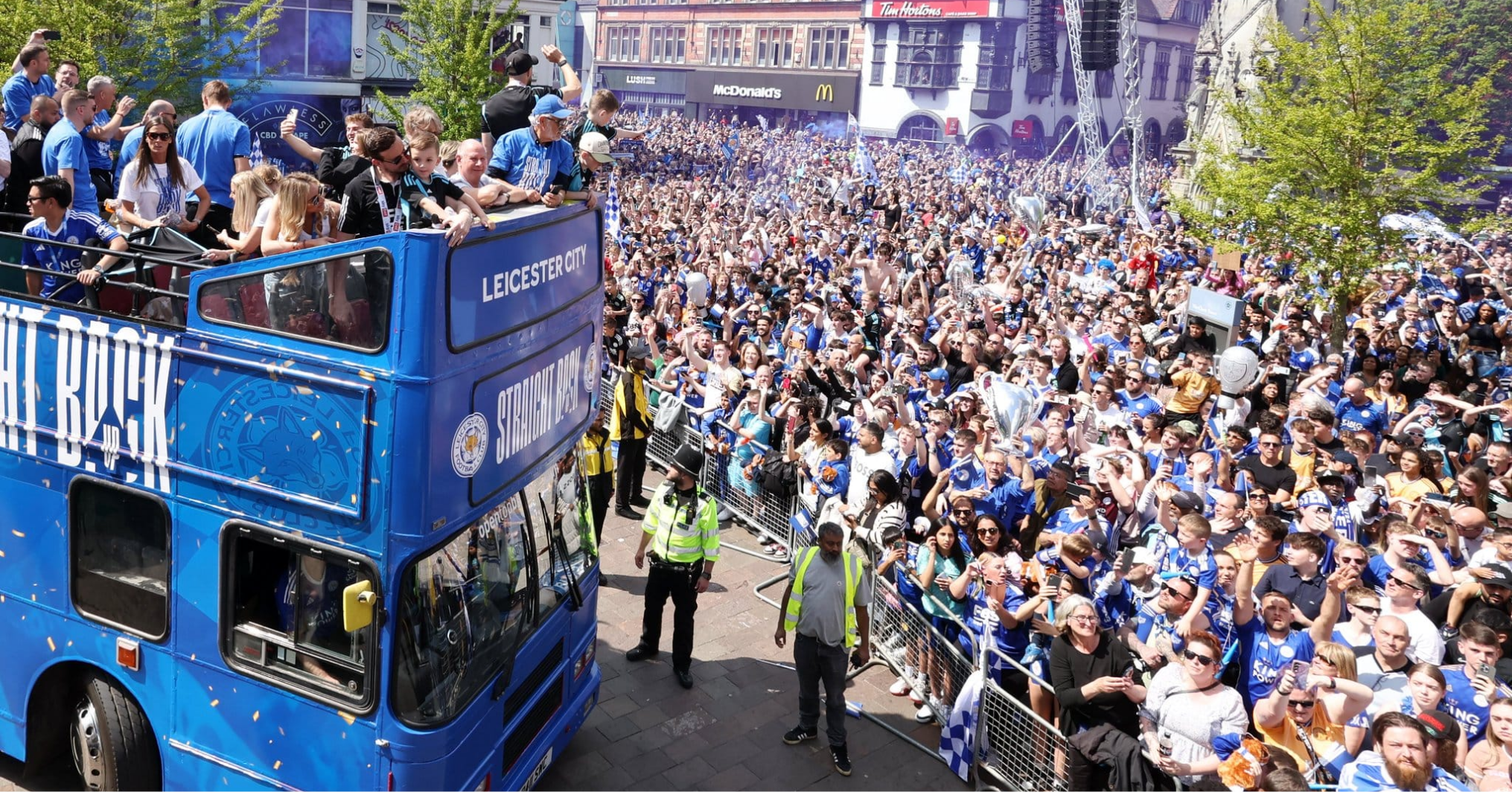
A jubilant crowd surrounds a blue open-top bus with

GET IN TOUCH

Ready to get started?

Contact our friendly team to begin your signage project today.

Say Hello