Experiential Signage: How Signage and Graphics Shape Better Customer Experiences

Share this Story
Friday 2 January 2026
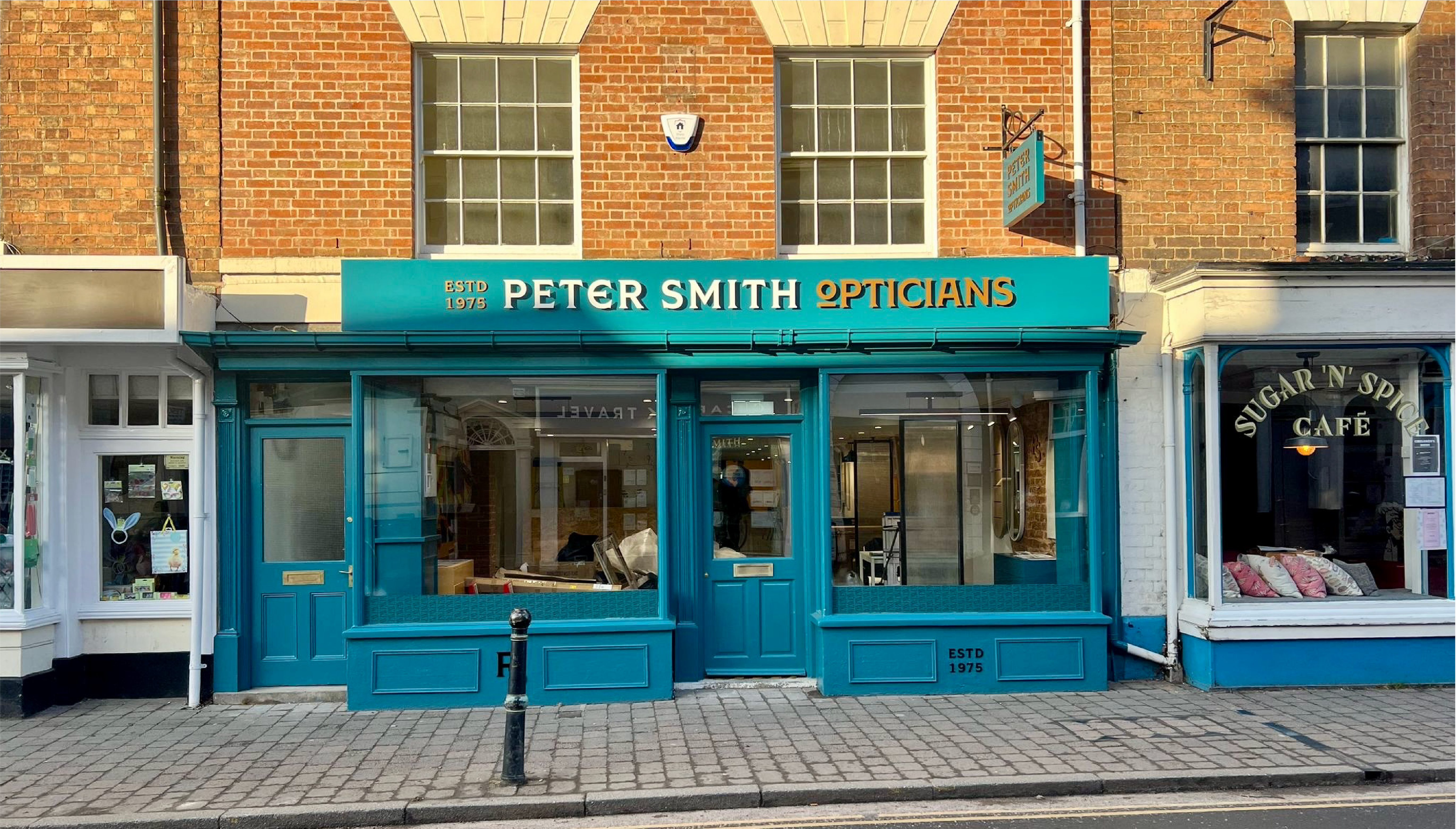
Creating a strong customer experience is not just about service, products, or location. The physical environment plays a major role in how people feel about a business, and signage is a big part of that.
From the moment someone sees your building, enters your reception area, visits your retail space, or moves around your site, signage helps shape their experience. It influences how easily they navigate, how they interpret your brand, and how memorable that environment feels.
That is why experiential signage is becoming increasingly important for businesses that want to create more engaging, consistent, and effective spaces.
At Hardy Signs, we design, manufacture, and install signage and graphics that do more than display information. We help businesses create branded environments that leave a stronger impression on visitors, customers, and staff.
What Is Experiential Signage?
Experiential signage is signage designed to do more than identify a business or provide directions. It is used to create an environment, reinforce a brand, and improve how people experience a space.
This can include:
- wall and wallpaper graphics
- digital displays
- illuminated signage
- branded wayfinding
- vehicle graphics
- feature signs and focal points
- interactive signage elements
Used well, experiential signage helps businesses create spaces that feel more distinctive, more engaging, and more aligned with their brand.
For marketing managers, this supports customer engagement and brand consistency. For facilities managers, it helps create clearer, more usable, and better-presented environments. For decision-makers, it strengthens the overall quality and perception of the business.
Why Experiential Signage Matters
Customers and visitors often make decisions quickly. Before they speak to anyone, they are already responding to what they see around them.
A poorly presented environment can feel forgettable, inconsistent, or difficult to navigate. A well-designed environment can feel professional, welcoming, and memorable.
This is where experiential signage adds value. It helps transform signage from a basic necessity into part of the customer journey. It can:
- improve first impressions
- support brand recognition
- make spaces easier to navigate
- create a more engaging atmosphere
- encourage repeat visits
- strengthen the connection between brand and environment
For businesses operating in competitive sectors, that difference matters.
Signage Helps Turn Space Into Brand Experience
A business may have strong branding on paper, but physical spaces are where people experience that brand in real life.
Exterior signage, interior graphics, display features, and wayfinding all contribute to whether a space feels consistent and intentional. When signage is designed strategically, it can bring together brand colours, messaging, imagery, materials, and tone to create an environment that feels joined up.
This is especially important for businesses that want to create a memorable experience for customers, visitors, or employees.
Whether it is a retail setting, office, showroom, hospitality venue, or large commercial site, experiential signage helps turn everyday environments into brand experiences.
Why It Matters to Marketing Managers
For marketing managers, experiential signage is an important part of delivering the brand consistently across physical touchpoints.
Digital campaigns, social media, and printed materials may be well controlled, but the in-person experience can quickly become disconnected if the physical environment does not reflect the same standards.
Experiential signage helps marketing teams:
- create more memorable branded environments
- improve visual consistency across locations
- support campaigns, launches, and promotions
- make customer-facing spaces more engaging
- reinforce the identity and personality of the brand
It is not just about visibility. It is about making the brand feel real in the space.
Why It Matters to Facilities Managers
For facilities managers, signage must also perform practically.
It needs to be durable, clear, suitable for the environment, and easy to maintain. Experiential signage should never come at the expense of usability. The best solutions combine strong visual design with practical function.
That means helping people move through a site easily, understand where they are, and interact with the space more confidently. In workplaces and public-facing settings, this can improve visitor flow, reduce confusion, and create a more professional atmosphere.
For facilities teams, experiential signage can support both presentation and function at the same time.
Types of Experiential Signage That Add Value
There are many ways signage and graphics can improve the experience of a space.
Wall and Wallpaper Graphics
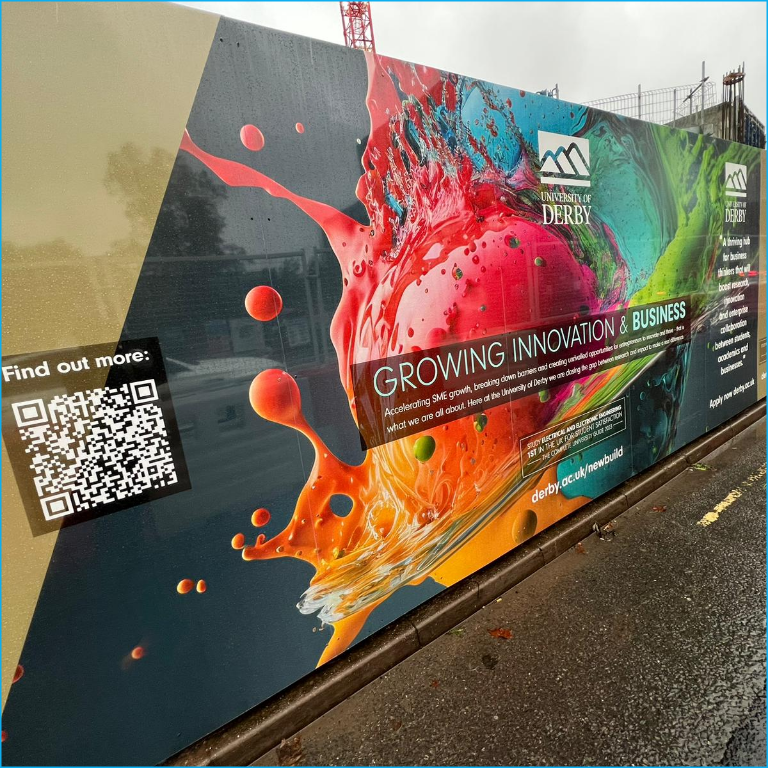
Large-scale wall graphics can completely change the feel of an interior environment. They can reinforce branding, add energy to a space, support storytelling, or make a workplace or reception area more visually engaging.
Digital Signage
Digital signage allows businesses to present dynamic content that can be updated quickly and tailored to different audiences. It can be used for promotions, information, internal communications, visitor messaging, and interactive experiences.
Illuminated Signage
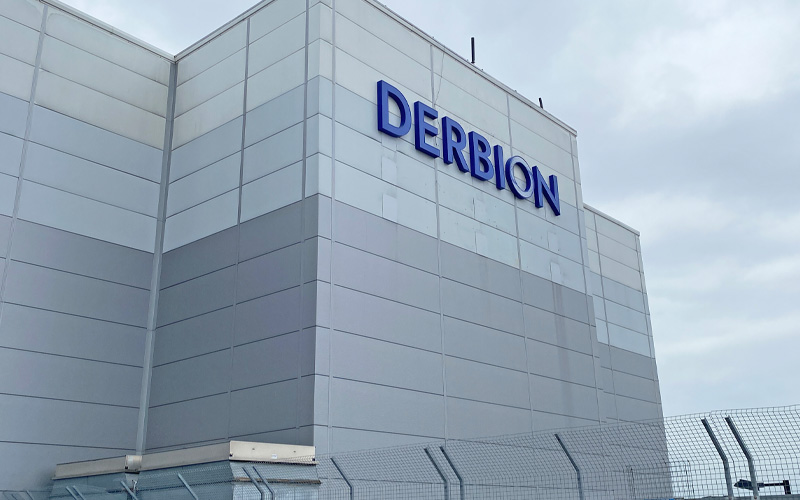
Illuminated signage adds visibility and impact, both externally and internally. It can help create focal points, improve brand presence, and make key messages stand out day and night.
Wayfinding Signage
Wayfinding is often seen as purely functional, but it also contributes to the wider experience of a space. Branded wayfinding helps visitors navigate confidently while maintaining visual consistency in the environment.
Vehicle Graphics
Vehicle graphics extend the brand beyond a fixed location. They can help raise visibility, strengthen recognition, and support a more consistent brand presence wherever the vehicle is seen.
Experiential Signage Is Especially Valuable in Customer-Facing Environments
Businesses that rely on footfall, visits, or in-person interaction can benefit significantly from a more considered signage experience.
This includes:
- retail environments
- showrooms
- leisure and hospitality spaces
- offices and receptions
- healthcare and education settings
- visitor attractions
- multi-site businesses
In these settings, signage is not just functional. It helps shape how the environment is perceived and remembered.
Good Signage Design Balances Experience and Practicality
The most effective signage does not focus on appearance alone. It balances creativity with clarity, brand alignment with usability, and visual impact with long-term performance.
That is what makes experiential signage commercially valuable. It helps businesses create spaces that look better, work better, and leave a stronger impression.
At Hardy Signs, we work with businesses across the UK to create signage and graphics that support both customer experience and operational needs. From wallpaper graphics and digital displays to illuminated signs, vehicle graphics, and wayfinding, we help clients create environments that are easier to navigate, more engaging to spend time in, and more reflective of their brand.
Talk to Hardy Signs About Experiential Signage
If you are looking to improve your customer environment, strengthen your brand in physical spaces, or create a more engaging experience across your sites, Hardy Signs can help.
We design, manufacture, and install bespoke signage solutions that combine creativity, consistency, and practical delivery.