Planning Permission for Shop Signs: A Guide for Retailers

Share this Story
Friday 2 January 2026

If you are changing your shop signage, planning a refit, opening a new location, or rolling out updated branding, one of the first questions is often:
Do I need planning permission for my shop sign?
In many cases, the answer is: possibly, yes.
Planning permission for shop signs is often referred to as advertisement consent, and it can apply to fascia signs, illuminated signs, projecting signs, and other external signage. The exact requirements depend on the type of sign, the building, and the location.
For shop owners, retail teams, and contractors involved in shop fitouts, getting this wrong can lead to delays, redesigns, enforcement action, and unnecessary costs. That is why it is important to consider permissions early in the project, not after signage has already been designed or installed.
At Hardy Signs, we help businesses plan, manufacture, and install signage with the practical realities of approval, location, and delivery in mind.
Do All Shop Signs Need Planning Permission?
Not every sign needs a full planning application, but many external signs are controlled under advertisement regulations.
As a general rule, if you are installing or replacing external shop signage, you should never assume approval is automatic. Some signs may benefit from what is known as deemed consent, while others will require a formal application depending on factors such as size, illumination, positioning, and the building itself.
This is especially important if the site is:
- in a conservation area
- on or attached to a listed building
- in a town centre with stricter local controls
- within a shopping centre or managed retail park
- subject to landlord or centre-management approval
- part of a wider redevelopment or fit-out project
For retail businesses, that means signage should be reviewed as part of the full shopfront or fit-out programme, not treated as a last-minute add-on.
Why Planning Permission Matters in Retail Projects
When retail teams or shop owners are focused on opening dates, refit schedules, and brand rollout deadlines, signage can sometimes be pushed late in the process.
That creates risk.
If planning permission for shop signs is required and has not been considered early enough, it can affect:
- project timelines
- opening dates
- installation schedules
- landlord approvals
- shopfront design decisions
- costs linked to rework or redesign
For fit-out teams, signage is often one of several final-stage elements that need to align with construction, access, and handover. If the approvals are not in place, even a well-designed sign may not be ready for installation when the site is.
Who Decides Whether Shop Signage Needs Permission?
In most cases, the relevant local planning authority will determine whether consent is needed.
That usually means the district, borough, city, or unitary council responsible for the property. They will typically assess the proposal based on the location, the building, the size and type of sign, and whether the signage could affect public safety or visual amenity.
For example, they may consider:
- whether the signage is illuminated
- how prominent it is
- whether it could affect nearby road users or pedestrians
- whether it is suitable for the character of the area
- whether the building has any special planning status
For retail projects, there may also be separate approvals required from landlords, shopping centre operators, or estate managers, even where local authority permission is not a major issue.
What Types of Shop Signs Often Need Consent?
Retailers and fit-out teams should pay particular attention to signage such as:
- illuminated fascia signs
- projecting signs
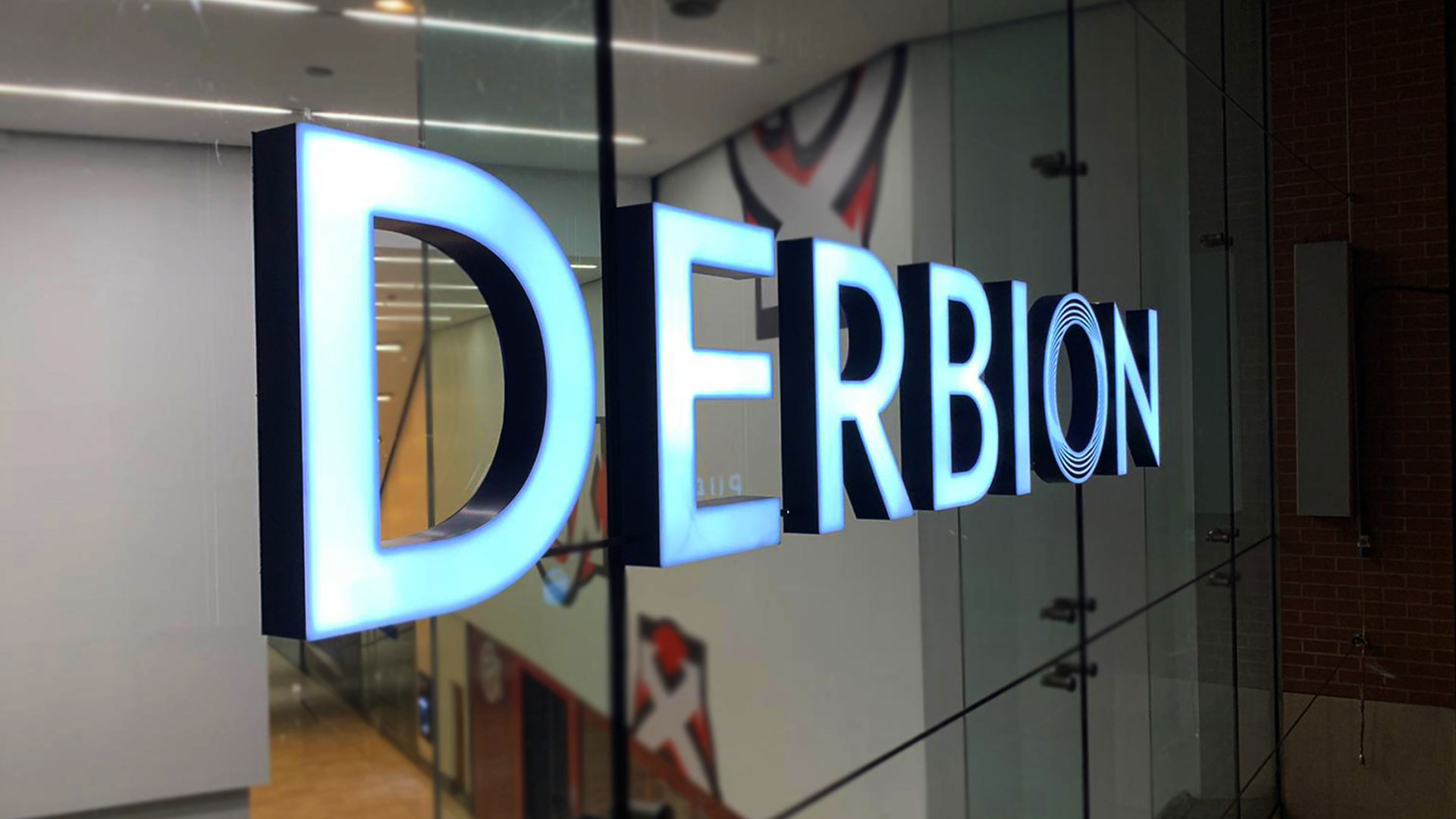
- halo-lit or built-up letters
- window graphics that significantly alter the external appearance
- large shopfront branding elements
- signs on listed buildings
- signage in conservation areas
- signs forming part of a new storefront or redevelopment
Not every case is the same, which is why early review is important. What may be acceptable on one retail unit may not be acceptable on another, even within the same town.
Location Changes Everything
One of the biggest factors in planning permission for shop signs is location.
A straightforward fascia sign on a modern retail unit may be treated very differently from signage on a historic high street building or in a conservation area. Similarly, a unit inside a retail park may have estate guidelines that are stricter than the local authority’s baseline requirements.
This is why retail signage should always be considered in context.
For example, additional restrictions may apply where:
- the building is listed
- the property is in a conservation area
- the sign is close to highways or junctions
- the site is within a heritage-sensitive location
- the landlord has a detailed brand or signage manual
- the unit forms part of a multi-tenant development
For shop owners and fit-out professionals, these details can affect design choices, materials, illumination, dimensions, and installation method.
Other Approvals You May Need to Consider
Planning permission for shop signs is only one part of the picture.
Depending on the project, you may also need to consider:
- landlord or managing agent approval
- listed building consent
- building regulations
- structural considerations
- access requirements for installation
- health and safety planning
- permissions linked to wider redevelopment works
This is especially important during shop fitouts, where signage may need to coordinate with shopfront works, glazing, decoration, electrical installations, and programme deadlines.
What Happens If You Install Signage Without Permission?
If signage is installed without the required consent, the business may be asked to remove or alter it.
That can mean:
- extra cost
- wasted production and installation spend
- delays to opening or relaunch plans
- reputational issues with landlords or local authorities
- avoidable project disruption
For retail businesses investing in a new look, the last thing you want is to install signage that then needs to be changed or removed.
That is why it makes sense to seek advice early and ensure the signage scheme is suitable before production begins.
What Shop Owners and Fit-Out Teams Should Think About Early
If you are changing your signage, opening a new store, or planning a retail refit, it helps to answer these questions as early as possible:
- Is the sign external, illuminated, or projecting?
- Is the building listed or in a conservation area?
- Is the site controlled by a landlord, centre manager, or estate team?
- Is the signage part of a wider fit-out or redevelopment programme?
- Are there fixed dates for opening, launch, or handover?
- Has sufficient time been allowed for design, approval, manufacture, and installation?
The earlier these questions are addressed, the smoother the process is likely to be.
Why Retail Signage Projects Benefit From Expert Support
Changing shop signage is not just about replacing an old fascia with a new one. In many cases, it involves coordinating design, branding, permissions, materials, manufacture, and installation around a live retail programme.
At Hardy Signs, we work with retailers, shop owners, and fit-out teams to deliver signage that is practical, brand-aligned, and suitable for the site. That includes helping clients think through the real project considerations that sit behind a signage change, from visual impact and specification to installation planning and approval constraints.
For businesses rolling out new branding or refurbishing stores, that support can make the process more efficient and reduce the risk of delays or costly changes later.
Talk to Hardy Signs About Planning Permission for Shop Signs
If you are planning a shop refit, updating your branding, or replacing your existing signage, Hardy Signs can help you take a more informed approach.
We design, manufacture, and install bespoke retail signage for businesses across the UK, supporting projects from concept through to completion with quality, consistency, and practical delivery in mind.