Hardy Signs win big at the Staffordshire Chambers of Commerce Awards 2023.

We are delighted to announce that Hardy Signs have been chosen as the winners for the Manufacturer of the Year at Staffordshire Chambers of Commerce Awards 2023. The award celebrates a company that has excelled in Manufacturing over the past three years.  

Sponsored by Air IT, the judges were looking at all aspects associated with the business; including short and long-term objectives, manufacturing processes, examples of innovation, efficiency, sustainability and more. The judges spoke with managing director, Nik Hardy, to understand more about the work that takes place at Hardy Place in Burton.JTNDaWZyYW1lJTIwd2lkdGglM0QlMjI1NjAlMjIlMjBoZWlnaHQlM0QlMjIzMTUlMjIlMjBzcmMlM0QlMjJodHRwcyUzQSUyRiUyRnd3dy55b3V0dWJlLmNvbSUyRmVtYmVkJTJGZFJzOUtBem9lMTAlMjIlMjB0aXRsZSUzRCUyMllvdVR1YmUlMjB2aWRlbyUyMHBsYXllciUyMiUyMGZyYW1lYm9yZGVyJTNEJTIyMCUyMiUyMGFsbG93JTNEJTIyYWNjZWxlcm9tZXRlciUzQiUyMGF1dG9wbGF5JTNCJTIwY2xpcGJvYXJkLXdyaXRlJTNCJTIwZW5jcnlwdGVkLW1lZGlhJTNCJTIwZ3lyb3Njb3BlJTNCJTIwcGljdHVyZS1pbi1waWN0dXJlJTNCJTIwd2ViLXNoYXJlJTIyJTIwYWxsb3dmdWxsc2NyZWVuJTNFJTNDJTJGaWZyYW1lJTNF‘Staffordshire has long been recognised for its manufacturing history. The judges were looking at all aspects of the manufacturing process including product design, testing, development, production, marketing, sales and overall business performance. This may relate to a new product or product range, or an existing product that continues to lead the way within its field.”

Adam Johnson, Sales Direct at Air It, said: ”One company stood out amongst the rest, capturing our attention with exceptional achievements and unwavering commitment to excellence. The winning company is celebrating their 30th year of trading and left us all struck with their diversity of operations. This remarkable business has expanded their revenue streams by exploring new avenues of growth whilst simultaneously prioritising the well-being of their employees. Investing heavily in the next generation and putting back in the local community. ”

Nik Hardy, managing director of Hardy Signs, said: ”Over the last few years, our team has managed to secure projects with leading UK, European and North American brands. Within the past 24 months, we have been contracted by Commonwealth Games Birmingham 2022, a major regional shopping centre, and many other household names. We have a keen commitment to the environment, prioritising best practices in our manufacturing processes, in order to complete this vision. In recent years, we have taken significant steps to reduce waste, increase sustainability and maximise the efficiency of our manufacturing. Likewise, we have continued to invest a lot of financial resources into new technologies and staff development.

We would like to extend our congratulations to all finalists and winners of the night, including Adfield Environmental System and 1882, who were also finalists in our category!”JTNDYmxvY2txdW90ZSUyMGNsYXNzJTNEJTIydHdpdHRlci10d2VldCUyMiUzRSUzQ3AlMjBsYW5nJTNEJTIyZW4lMjIlMjBkaXIlM0QlMjJsdHIlMjIlM0VDb25ncmF0dWxhdGlvbnMlMjB0byUyMCUzQ2ElMjBocmVmJTNEJTIyaHR0cHMlM0ElMkYlMkZ0d2l0dGVyLmNvbSUyRkhhcmR5U2lnbnNMdGQlM0ZyZWZfc3JjJTNEdHdzcmMlMjU1RXRmdyUyMiUzRSU0MEhhcmR5U2lnbnNMVEQlM0MlMkZhJTNFJTJDJTIwd2lubmVycyUyMG9mJTIwdGhlJTIwTWFudWZhY3R1cmVyJTIwb2YlMjB0aGUlMjBZZWFyJTIwQXdhcmQlMjBhdCUyMHRoZSUyMCUzQ2ElMjBocmVmJTNEJTIyaHR0cHMlM0ElMkYlMkZ0d2l0dGVyLmNvbSUyRmhhc2h0YWclMkZTdGFmZnNCaXpBd2FyZHMlM0ZzcmMlM0RoYXNoJTI2YW1wJTNCcmVmX3NyYyUzRHR3c3JjJTI1NUV0ZnclMjIlM0UlMjNTdGFmZnNCaXpBd2FyZHMlM0MlMkZhJTNFJTIwJUYwJTlGJThGJTg2JTNDYnIlM0UlM0NiciUzRVRoaXMlMjBjYXRlZ29yeSUyMGlzJTIwa2luZGx5JTIwc3BvbnNvcmVkJTIwYnklMjAlM0NhJTIwaHJlZiUzRCUyMmh0dHBzJTNBJTJGJTJGdHdpdHRlci5jb20lMkZBaXJJVEx0ZCUzRnJlZl9zcmMlM0R0d3NyYyUyNTVFdGZ3JTIyJTNFJTQwQWlySVRMdGQlM0MlMkZhJTNFLiUyMCUzQ2ElMjBocmVmJTNEJTIyaHR0cHMlM0ElMkYlMkZ0LmNvJTJGY0tENVpVVWUxYyUyMiUzRXBpYy50d2l0dGVyLmNvbSUyRmNLRDVaVVVlMWMlM0MlMkZhJTNFJTNDJTJGcCUzRSUyNm1kYXNoJTNCJTIwU3RhZmZvcmRzaGlyZSUyMENoYW1iZXJzJTIwb2YlMjBDb21tZXJjZSUyMCUyOCU0MFN0YWZmc0NoYW1iZXJzJTI5JTIwJTNDYSUyMGhyZWYlM0QlMjJodHRwcyUzQSUyRiUyRnR3aXR0ZXIuY29tJTJGU3RhZmZzQ2hhbWJlcnMlMkZzdGF0dXMlMkYxNjc5NTcyNTE1MzI3Mjg3Mjk4JTNGcmVmX3NyYyUzRHR3c3JjJTI1NUV0ZnclMjIlM0VKdWx5JTIwMTMlMkMlMjAyMDIzJTNDJTJGYSUzRSUzQyUyRmJsb2NrcXVvdGUlM0UlMjAlM0NzY3JpcHQlMjBhc3luYyUyMHNyYyUzRCUyMmh0dHBzJTNBJTJGJTJGcGxhdGZvcm0udHdpdHRlci5jb20lMkZ3aWRnZXRzLmpzJTIyJTIwY2hhcnNldCUzRCUyMnV0Zi04JTIyJTNFJTNDJTJGc2NyaXB0JTNF

Introduction

In today’s highly innovative, competitive and digitalised market it is easy to overlook the power of outdoor signage solutions.

Although digital innovation in signage has proven to be of great benefit to businesses, traditional outdoor signage mediums continue to thrive through their ability to effortlessly grab attention. We will look at how outdoor signage reinforces brand identity, targets advertising, provides interactive experiences and lastly, their durability and cost-effectiveness. With an additional insight into digital integration.


Local Marketing and Targeted Advertising


One of the most pronounced assets of outdoor signage is its ability to publicise your message in specific geographical areas through strategically placed signs, enticing or informing passers by and potential customers. Some eye-catching outdoor signs to consider include billboards, banners, illuminated displays, pavement signs, LED signs, panel signs, pub signs and safety signage. Locations to note include restaurant fronts, shop fronts, building sights, factories, events, car parks and leisure centres.

At Hardy Signs we offer you the opportunity to conduct site surveys with our experienced team of experts who will ensure each sign is optimally situated and designed in order to maximise brand awareness. Our full range of award winning, low maintenance and eco-friendly outdoor solutions will allow for optimised design and brand perception that provides your business with 24-hour visibility and improved site security.

We highly recommend this service as it is necessary to consult a team of seasoned professionals before placing outdoor signage, in order to maximise its efficiency.

-To view our full outdoor signage catalogue-

Some stats to assert the effectiveness of local marketing and targeted advertising:

  • The OAAA reports that 7 out of 10 consumers make purchase decisions while they are outside of their homes, indicating the potential impact of outdoor signage on consumer behavior.
  • Research by Kinetic Worldwide showed that 52% of smartphone users took some form of action after seeing an out-of-home ad, such as searching for more information, visiting a store, or making a purchase.
  • According to a study conducted by FedEx, 76% of customers entered a store or business they had never visited before based solely on its signage.
  • Outdoor advertising has a wide reach and can effectively target both local and broad audiences. The OAAA states that 99% of US adults have noticed outdoor ads in the past month.


Reinforcing Brand Identity

Equally significant is the concept of reinforcing brand identity, enabling businesses to establish a strong presence in the market by means of reinforcing their identity. Equally, outdoor signage as a smart investment greatly increases brand recall and build brand recognition in both the short and long term, by creating a consistent visual language that resonates with your target audience. This message can be transmitted with the use of colours to convey meaning and evoke emotions in order to ultimately influence consumer behaviour.

Stat to consider:

  • High Recall and Memorability: the Outdoor Advertising Association of America reports that 83% of people surveyed recalled seeing an outdoor ad in the past month. Additionally, 71% of respondents felt that outdoor ads stood out more than online ads.

Engaging and Interactive Experiences

Outdoor signs are a tangible and impactful way to engage with audiences enticing clients and leaving a lasting first impression, creating the opportunity for meaningful interaction. Interaction is key to establishing a good first impression with clients as it fosters a sense of community engagement. This will in turn establish your brand as relevant, reliable and responsible in your locality, leaving a lasting impression on customers that extends beyond the initial encounter.

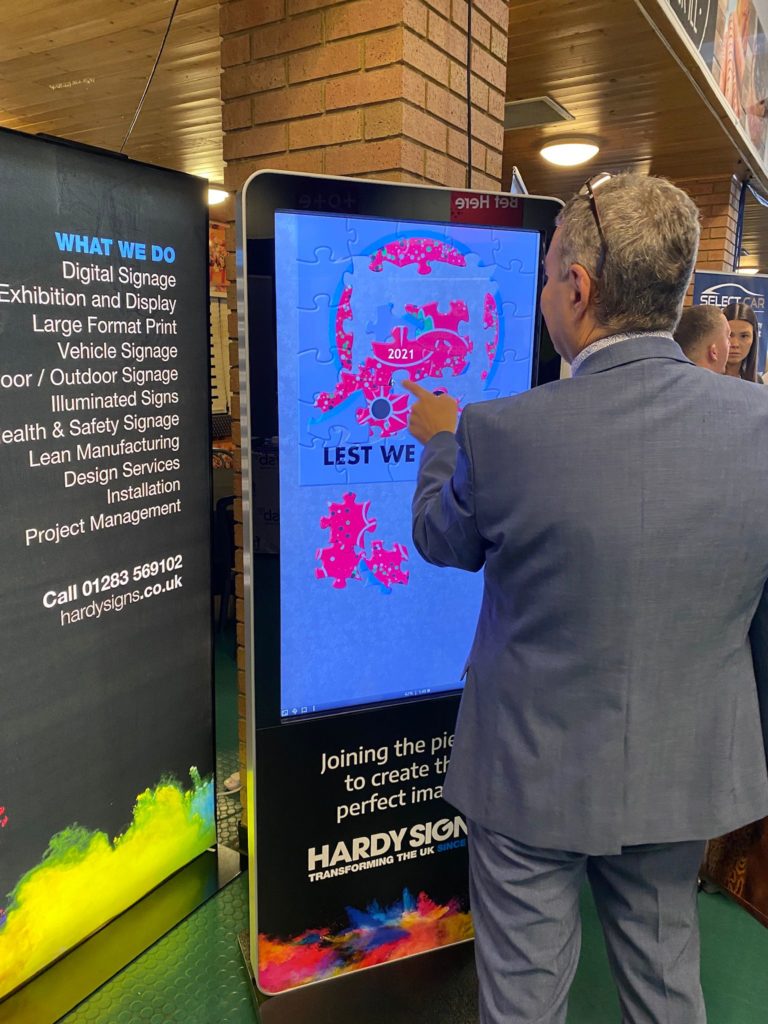
Our freestanding digital displays used at events

Embracing Digital Integration: digital signage solutions

Rather than seeing digital signage and traditional outdoor signage as opposing forces, one can’t overstate their complementary nature. As research conducted by Nielsen indicates that combining outdoor advertising with online advertising can lead significant boosts in brand awareness and campaign effectiveness. The addition of outdoor signage to a digital marketing strategy can also reinforce brand messaging and create a more comprehensive and impactful advertising campaign.

Popular examples digital integration are digital displays, interactive billboards, real-time displays, touch screens, motion sensors and augmented reality. All of which we provide as part of our products and services at Hardy Signs.


Durability and Cost-Effectiveness

Hardy Signs provides durable, award-winning and cost-effective signs that are renowned for withstanding the harshest of whether the UK has to offer. Our installation is professional and fast, we use the highest quality materials and our installation comes without incurring recurring costs.

Additional data on cost of outdoor signage.

  • Outdoor advertising is often considered cost-effective due to its long-lasting exposure. According to OAAA, outdoor advertising costs 80% less than television advertising, 60% less than newspaper advertising, and 50% less than radio advertising on a CPM (cost per thousand impressions) basis.
  • Outdoor signage is a cost-effective advertising medium when compared to other forms of media. The OAAA reports that outdoor advertising has a lower cost per thousand impressions (CPM) compared to TV, radio, and print advertising.

If you are considering installing signage, contact us HERE to talk to our team of experts.


Conclusion


Outdoor signage has proven to be a wise investment in any context, particularly when traditional signage meets digital innovation. Whether it is used as a means of advertising or informing to achieve your objectives, this means of communication will always be sure to leave a strong impression.

Navigating the bustling pedestrian areas with an A-board can be tricky. I’ve often wondered about the rules and restrictions that come into play when placing these signs in crowded spaces. Whether you’re a business owner looking to attract foot traffic or just curious about public signage, understanding the guidelines is crucial.

In this article, I’ll explore the various restrictions on A-board placement in pedestrian zones. From local regulations to best practices, you’ll gain the insights needed to display your A-board effectively and legally. Let’s dive into the essentials that ensure your signage stands out without causing any hassles.

Overview Of A-Board Placement

A-boards serve as essential tools for businesses to attract pedestrian traffic. I ensure that their placement adheres to local regulations to maintain compliance and visibility. Typically, municipalities set specific guidelines regarding size, height, and location to prevent obstruction and ensure safety. For example, many cities limit A-board dimensions to 24 inches wide by 36 inches high. Additionally, placement often requires permits, especially in high-traffic areas, to regulate the number of signs and their locations. Failure to obtain necessary permits can result in fines or removal of the signage.

Key factors influencing A-board placement include:

  • Location Restrictions: Certain zones prohibit A-boards to maintain aesthetic standards or ensure pedestrian safety.
  • Size Limitations: Maximum dimensions are enforced to prevent oversized signs from causing visual clutter.
  • Height Requirements: Elevating A-boards above a specific height ensures they do not obstruct views for drivers and pedestrians.
  • Permitting Process: Securing a permit typically involves submitting sign designs and adhering to local ordinances.
  • Time Restrictions: Temporary placements may be regulated by time of day or duration to minimize disruption.
Regulation Aspect Typical Requirement
Maximum Size 24″ wide x 36″ high
Minimum Height 6 feet above ground level
Permit Necessity Required in most urban areas
Prohibited Zones Pedestrian crossings, historic districts
Duration Limits Up to 30 days without renewal

Understanding these restrictions allows me to strategically place A-boards for maximum impact while remaining compliant. By adhering to these guidelines, businesses can effectively use A-boards to enhance their visibility without facing legal issues or community pushback.

Legal Regulations

A-board placement in pedestrian areas must comply with various legal standards. Understanding these regulations ensures your signage is both effective and compliant.

Local Zoning Laws

Local zoning laws dictate where A-boards can be placed within specific areas. These regulations vary by municipality, affecting factors like commercial zones and pedestrian pathways. For example:

  • Commercial Zones: Permit A-boards along main streets with high foot traffic.
  • Residential Areas: Restrict signs to prevent visual clutter and ensure neighborhood aesthetics.
  • Historic Districts: Limit signage size and design to maintain architectural integrity.

Adhering to local zoning laws prevents fines and ensures your signage aligns with community standards.

Permitting Requirements

Obtaining the necessary permits is essential for legally displaying A-boards. The permitting process typically involves submitting an application with details about your sign’s size, location, and design. Key requirements include:

  • Application Fees: Ranges from $50 to $200 depending on the city.
  • Approval Timeframe: Usually takes 2-4 weeks for processing.
  • Compliance Inspections: Ensure the sign meets all local regulations before approval.

Failure to secure permits can result in fines up to $1,000 and the removal of your A-board. Always consult your local municipal office to understand specific permitting procedures and avoid legal complications.

Location Restrictions

Understanding location restrictions is essential for placing A-boards in pedestrian areas. I ensure that my signage complies with local regulations and maintains public safety.

Pedestrian Area Specifications

I adhere to size and placement guidelines in pedestrian zones. Typically, A-boards must not exceed 24 inches in width and 36 inches in height. I place signs at least 6 feet above the ground to ensure visibility without obstructing walkways or crosswalks. Compliance with these specifications prevents interference with pedestrian traffic.

Proximity To Public Structures

I maintain appropriate distances from public structures when placing A-boards. Regulations often require a minimum of 5 feet from sidewalks, building entrances, and public benches. I avoid positioning signs near traffic signals, bus stops, and transit shelters to prevent visual clutter. Consulting local ordinances helps me meet specific proximity requirements.

Design And Size Limitations

I adhere to specific design and size restrictions to ensure A-boards are effective and compliant in pedestrian areas. The maximum allowable dimensions are 24 inches in width and 36 inches in height. Exceeding these limits can result in permit denial or fines.

Dimension Maximum Size
Width 24 inches
Height 36 inches

I mount A-boards at least 6 feet above ground level to guarantee visibility without obstructing pedestrian pathways. Additionally, I maintain a minimum distance of 5 feet from sidewalks, building entrances, and public benches. These distances prevent visual clutter and ensure safety for pedestrians.

When designing A-boards, I use high-contrast colors and clear, readable fonts to enhance visibility. Materials must comply with local regulations, ensuring durability and safety. I avoid placing A-boards near traffic signals, bus stops, and transit shelters to minimize interference with public transit areas.

By following these design and size limitations, I ensure that A-boards effectively attract attention while respecting pedestrian flow and local regulations.

Enforcement And Penalties

Local authorities rigorously enforce A-board placement regulations to maintain pedestrian safety and urban aesthetics. They conduct regular inspections in high-traffic areas, monitoring compliance with size, height, and location restrictions. Violations prompt immediate action, including issuing citations or fines. Typically, fines range from $50 to $500, depending on the severity and frequency of the offense. In some cases, businesses must remove non-compliant A-boards at their expense. Repeat offenders face increased penalties, such as higher fines or potential legal action. Additionally, unauthorized signage may be subject to impoundment, requiring businesses to cover towing and storage fees. To avoid these penalties, I ensure my A-boards adhere strictly to local zoning laws and obtain necessary permits before placement. Staying informed about municipal updates and maintaining open communication with local authorities further minimizes the risk of non-compliance. By prioritizing adherence to regulations, I protect my business from financial setbacks and sustain a positive reputation within the community.

Conclusion

Navigating A-board placement in pedestrian areas requires a clear understanding of local regulations and thoughtful planning. By ensuring your signage meets size and height requirements and obtaining necessary permits, you can effectively attract customers without facing penalties. Staying informed and compliant not only enhances your business visibility but also fosters positive community relations. Embracing these guidelines allows you to make the most of your marketing efforts while maintaining a safe and orderly public space.

Loughborough University: LUMotorsport Pit Sponsors


We’re thrilled to showcase Hardy Signs’ latest collaboration and sponsorship with the Loughborough University Formula Student Team at this year’s prestigious Formula Student UK (FSUK) event, which took place at the iconic Silverstone Circuit


As a leading signage company, Hardy Signs is passionate about supporting innovation and the next generation of engineering talent. The FSUK event is a premier platform where the brightest students from across the globe showcase their engineering skills, creativity and teamwork by designing and building single-seater race cars.


Our collaboration with Loughborough University reflects our commitment to excellence and precision—values that are at the heart of both motorsport and high-quality signage. The Hardy Signs branding was prominently displayed at the team’s pit, offering us a unique opportunity to be part of the excitement and energy that defines Formula Student. The team achieved their best EV score to date, coming 14th out of 56 competitors! We’re proud to support their journey and can’t wait to see them in action.

Hardy Signs, a leading provider of professional and digital signage solutions, recently opened its doors to a group of graphic and design students as part of an exciting international partnership with Burton and South Derbyshire College (BSDC). The event offered students from Korea a unique opportunity to gain insights into the signage industry, reinforcing Hardy Signs’ commitment to Corporate Social Responsibility (CSR) and its ongoing efforts to engage and inspire the next generation of creative professionals.

In line with our dedication to fostering educational development and industry engagement, Hardy Signs invited the students for an in-depth presentation and an exclusive tour of our state-of-the-art facilities. The event aimed to bridge the gap between education and the professional world, providing these talented young learners with a firsthand look at the intricacies of signage design, manufacturing and installation.


Presentation and Tour Highlights:

  • Industry Insights: The visit began with a comprehensive presentation by Nik Hardy, Founder and Managing Director, who shared valuable insights into the signage industry and the technologies shaping the future of visual communication. Students were introduced to the various stages of the signage process, from concept design to final installation and learned about the challenges and opportunities within the industry.
  • Behind-the-Scenes Facility Tour: Following the presentation, the students were taken on a guided tour of Hardy Signs’ 24,000 sq. ft. manufacturing headquarters. They observed cutting-edge equipment in action and witnessed the meticulous craftsmanship that goes into producing high-quality signage for a diverse range of sectors. The tour provided a real-world perspective on how classroom knowledge is applied in a professional setting.

Blu Hardy, Marketing Manager at Hardy Signs, expressed her enthusiasm about the ongoing partnership: “We are thrilled to collaborate with Burton and South Derbyshire College yet again to offer these students a glimpse into the dynamic world of signage. As a company that values CSR, we believe in the power of education and are always looking for ways to engage with young learners. By opening our doors to these aspiring designers, we hope to inspire their creativity and provide them with valuable industry experience.”

Corporate Social Responsibility at Hardy Signs

At Hardy Signs, CSR is an integral part of our business ethos. We recognise the importance of giving back to the community and are committed to creating opportunities for young people to learn and grow. Whether through educational partnerships, apprenticeships, or community outreach programs, we strive to make a positive impact on the lives of those around us.

This collaboration with Burton and South Derbyshire College is just one of the many ways Hardy Signs is investing in the future of the industry. By providing students with real-world experiences, we aim to cultivate the next generation of creative and technical talent, ensuring that the signage industry continues to thrive.

Get in touch today for more information about Hardy Signs and our CSR initiatives.

Protecting your outdoor menu display from vandals is crucial for maintaining a professional appearance and ensuring your customers receive accurate information. I’ve seen firsthand how quickly a damaged display can affect your business’s reputation and bottom line.

Thankfully, there are effective strategies you can implement to safeguard your menu. From choosing the right materials to incorporating security features, you can keep your display looking sharp and intact. Let’s explore the best ways to defend your outdoor menu against vandalism, so you can focus on what you do best—serving great food.

Understand the Risks of Vandalism

Vandalism significantly threatens my outdoor menu display and overall business operations. Financial losses arise from repair or replacement costs, which can range from $200 to $1,000 based on the display materials. Frequent vandalism incidents may also lead to higher insurance premiums, impacting my budget.

Reputation damage deters customers. A defaced or broken menu signals neglect, causing potential customers to question the quality of my services. Research indicates that 60% of customers avoid businesses with visible vandalism, associating it with poor management and service standards.

Operational disruptions occur when I address vandalism issues, diverting time and resources from serving customers. Repairing a damaged display interrupts the accurate presentation of menu items, leading to customer confusion and misinformation.

The prevalence of vandalism varies by location. The table below outlines annual vandalism incidents based on area type:

Location Type Annual Vandalism Incidents
Urban Areas 45
Suburban Areas 25
Rural Areas 10

Understanding these risks enables me to prioritize the protection of my outdoor menu display effectively, ensuring sustained business performance and customer trust.

Choose Durable Materials

Selecting durable materials ensures your outdoor menu display withstands both vandalism and environmental challenges. I prioritize materials that offer longevity and require minimal maintenance.

Weather-Resistant Displays

Opt for materials that resist weather elements to maintain your display’s integrity.

  • Stainless Steel: Corrosion-resistant and robust, ideal for various climates.
  • Aluminum: Lightweight yet strong, withstands rain and sun exposure.
  • Tempered Glass: Shatterproof and easy to clean, enhances menu visibility.
  • UV-Resistant Plastics: Prevent color fading and degradation from sunlight.

Tamper-Proof Fixtures

Implement tamper-proof fixtures to deter vandalism and unauthorized access.

  • Locking Mechanisms: Secure your display with high-quality locks to prevent tampering.
  • Secure Mounting: Use heavy-duty brackets and anchors to fix displays firmly to surfaces.
  • Tamper-Resistant Screws: Install specialized screws that resist removal and tampering attempts.
  • Protective Enclosures: Enclose critical components to limit access and reduce vulnerability.

Implement Security Measures

Implementing effective security measures can significantly reduce the risk of vandalism to your outdoor menu display. By integrating advanced surveillance and strategic lighting, I enhance protection and deter potential vandals.

Surveillance Cameras

Installing surveillance cameras deters vandals and records any incidents for evidence. I choose high-resolution cameras with night vision to ensure clear footage in all conditions. Positioning cameras at multiple angles around the menu display covers blind spots, increasing their effectiveness. Connecting cameras to a remote monitoring system allows me to supervise the display in real-time and respond quickly to suspicious activities. Additionally, displaying visible camera signs reinforces the presence of security, discouraging vandalism before it occurs.

Lighting Solutions

Proper lighting enhances visibility and deters vandalism by making it harder for vandals to operate unnoticed. I install motion-activated lights to illuminate the menu display when movement is detected, minimizing areas of darkness that could invite vandalism. Using bright, energy-efficient LED lighting ensures consistent illumination without high energy costs. Strategic placement of lights around the display area eliminates shadows and blind spots, enhancing overall security. Adequate lighting also improves the visibility of the menu for customers, combining security with improved customer experience.

Secure Installation Techniques

Securing your outdoor menu display effectively minimizes the risk of vandalism and ensures longevity. Implementing robust installation methods is crucial for maintaining a professional appearance.

Mounting Strategies

Utilizing sturdy mounting strategies deters vandals and enhances display stability.

  • Anchored Bases: I anchor displays to concrete or metal bases, preventing easy removal.
  • Flange Mounts: I use flange mounts for secure attachment to walls, reducing the risk of tampering.
  • Tamper-Resistant Screws: I install tamper-resistant screws to make unauthorized disassembly difficult.
  • Reinforced Frames: I reinforce frames with heavy-duty materials like stainless steel to withstand impact.

Locking Mechanisms

Incorporating advanced locking mechanisms protects menu displays from unauthorized access and vandalism.

  • High-Security Locks: I install high-security locks that resist picking and forced entry.
  • Keyless Entry Systems: I use keyless entry systems to limit access to authorized personnel only.
  • Secure Fasteners: I employ secure fasteners that cannot be easily removed without specialized tools.
  • Protective Enclosures: I place displays within protective enclosures that include built-in locks for added security.

Regular Maintenance and Monitoring

I schedule regular inspections of my outdoor menu displays every two weeks to detect and address any signs of vandalism promptly. Regular checks minimize repair costs and maintain the display’s appearance.

I install and monitor high-resolution surveillance cameras with night vision to oversee the display area continuously. Surveillance deters potential vandals and provides clear evidence if incidents occur.

I maintain detailed maintenance logs, recording all inspections, repairs, and any suspicious activities. Logs help identify patterns, enabling me to strengthen security measures effectively.

Insurance and Legal Considerations

Securing comprehensive insurance protects my business against financial losses from vandalism. I ensure my policy covers property damage, theft, and liability, minimizing repair or replacement costs ranging from $200 to $1,000. Consulting with an insurance agent helps me choose the right coverage limits and deductible amounts tailored to my business size and location.

Understanding local laws is crucial for addressing vandalism legally. I familiarize myself with municipal regulations and reporting procedures to ensure timely and proper documentation of incidents. Collaborating with law enforcement and providing evidence from surveillance cameras increases the likelihood of identifying and prosecuting vandals. Additionally, I review my insurance policy’s legal support provisions, which may include assistance with filing claims and navigating legal processes.

Implementing security measures can influence insurance premiums positively. By installing high-resolution cameras, tamper-proof fixtures, and adequate lighting, I demonstrate proactive risk management to my insurer. These enhancements not only deter potential vandals but also may qualify me for discounts on my insurance premiums, effectively reducing overall costs.

Maintaining detailed records of all vandalism incidents and related expenses supports my insurance claims and legal actions. I log dates, descriptions, and photographs of damages, ensuring accurate and thorough documentation. This practice streamlines the claims process and provides necessary evidence for any legal proceedings, safeguarding my business’s financial and operational stability.

Conclusion

Keeping my outdoor menu display safe is essential for maintaining a welcoming atmosphere and a strong reputation. By taking proactive steps, I can protect my investment and ensure customers always see a professional presentation.

Focusing on security allows me to dedicate more time to what matters most—serving great food and creating memorable experiences. A secure outdoor display not only deters vandalism but also reinforces trust with my customers, contributing to the long-term success of my business.

Thinking of adding window graphics to your business or home in the UK? It’s a fantastic way to showcase your style, advertise your services, or simply enhance your space. But before you dive into designing those eye-catching displays, it’s essential to understand the local regulations that may apply.

Navigating planning permission requirements can seem daunting, but I’m here to simplify the process. Whether you’re in a historic area or a modern locale, knowing the rules ensures your window graphics comply and avoids any potential issues. Let’s explore what you need to consider before making your windows a visual statement.

Understanding Window Graphics

Window graphics transform ordinary glass surfaces into dynamic visual displays. They come in various types, including vinyl decals, perforated films, and static clings. Vinyl decals offer durability and vibrant colors, making them ideal for storefront branding. Perforated films allow visibility from the inside while displaying graphics outward, perfect for advertising without obstructing interior views. Static clings provide a temporary solution, suitable for seasonal promotions or events.

Common uses of window graphics include branding, promoting sales, showcasing artwork, and enhancing privacy. Businesses leverage window graphics to reinforce their brand identity, attract passersby, and communicate messages effectively. Residential applications involve decorative designs, privacy solutions, and creative room dividers.

Materials used for window graphics must balance aesthetics and functionality. High-quality vinyl ensures longevity and resistance to UV rays, preventing colors from fading. Perforated films maintain transparency and clarity, essential for maintaining visibility from inside the building. Sustainable options, such as recyclable materials, are increasingly popular for environmentally conscious projects.

Installation methods vary based on the graphic type and intended use. Professional installation ensures precise application and minimizes the risk of air bubbles or wrinkles. Alternatively, DIY kits offer flexibility for smaller projects, allowing customization without significant investment.

Understanding the different aspects of window graphics empowers me to choose the right solution for specific needs. By selecting appropriate types, materials, and installation methods, I can create impactful displays that comply with UK regulations and enhance the visual appeal of any space.

Planning Permission in the UK

I need to understand UK planning permission laws when adding window graphics. Here’s what I know.

When Is Permission Required?

I require planning permission for window graphics if they change the building’s appearance under the Town and Country Planning (Control of Advertisements) Regulations 2007. Specifically:

  • Large-Scale Graphics: Cover over 50% of the window area
  • Illuminated Signs: Visible from public spaces
  • Listed Buildings or Conservation Areas: Graphics on these structures

Exemptions and Permitted Developments

Certain window graphics don’t require planning permission:

  • Decals or Static Clings: Cover up to 30% of the window
  • Non-Illuminated Graphics: Not visible from the street
  • Temporary Displays: Last less than 28 days

Additionally, advertisements that meet local council size limits are exempt.

Regulations and Guidelines

Understanding the regulations and guidelines is crucial for ensuring your window graphics comply with UK standards.

Local Authority Requirements

Local authorities enforce the Town and Country Planning (Control of Advertisements) Regulations 2007. I must determine if my window graphics require planning permission by assessing:

  • Size of Graphics: Graphics covering more than 50% of a window need permission.
  • Illumination: Illuminated signs visible from public spaces mandate approval.
  • Location: Displays on listed buildings or within conservation areas require consent.
  • Duration: Temporary graphics lasting over 28 days may need permission.

I should consult my local council to verify specific size limits and application procedures.

Design and Visibility Standards

Design and visibility standards ensure window graphics are appropriate and non-intrusive. I need to adhere to:

  • Proportion Limits: Keep graphics within 30% of the window area to avoid permission issues.
  • Brightness Control: Use non-glare materials to minimize visual disturbance to the public.
  • Color Restrictions: Avoid excessively bright or flashing colors that may cause distraction.
  • Visibility from Public Spaces: Ensure graphics do not obstruct firefighters’ access or emergency signage.
  • Material Compliance: Select durable, UV-resistant materials that meet safety standards.

By following these standards, my window graphics will not only comply with regulations but also enhance the visual appeal of my property.

Process for Obtaining Planning Permission

Navigating the planning permission process for window graphics in the UK ensures compliance and smooth implementation. Here’s a step-by-step guide to help you through.

Application Steps

  1. Assess Requirements

Determine if your window graphics need planning permission by reviewing local regulations and the Town and Country Planning (Control of Advertisements) Regulations 2007.

  1. Prepare Your Proposal

Create detailed plans of your window graphics, including size, design, and placement. Include photographs of the current window.

  1. Consult Local Authority

Contact your local planning office to discuss your proposal and confirm if additional information is required.

  1. Submit Application

Complete the planning permission application form available on your local council’s website. Pay the applicable fee.

  1. Await Decision

The local authority typically reviews applications within 8 weeks. They may approve, request modifications, or deny the application based on compliance.

  1. Receive Notification

You’ll receive official notification of the decision. If approved, proceed with your window graphics installation as per the approved plans.

Required Documentation

  • Completed Application Form

Fill out the standard planning permission form, providing accurate and detailed information.

  • Site Plan

Include a scale drawing showing the location of your property and the proposed window graphics in relation to neighboring structures.

  • Design Drawings

Provide detailed drawings or mock-ups of the window graphics, highlighting dimensions and materials used.

  • Photographs

Submit current photos of your building’s exterior and existing windows to give context to your proposal.

  • Ownership Proof

Attach documents proving ownership or consent from the property owner if you are not the owner.

  • Supporting Statements

Write a brief statement explaining how your window graphics comply with local planning policies and enhance the area’s visual appeal.

  • Environmental Impact Assessment

If necessary, include an assessment detailing any potential environmental effects of your window graphics.

Ensuring all required documentation is accurately prepared and submitted increases the likelihood of a successful planning permission application.

Impact on Businesses and Property Owners

Understanding planning permission requirements directly influences both businesses and property owners. Compliance ensures smooth operations and avoids legal issues.

Compliance Costs and Time

Securing planning permission involves application fees and time investment. Businesses may allocate an average of £100 to £500 for application costs. The process can take between 4 to 8 weeks, affecting project timelines.

Design and Size Restrictions

Local regulations limit graphic size and design elements. For example:

  • Large-Scale Graphics: Covering over 50% of a window requires permission.
  • Exempt Graphics: Up to 30% coverage typically doesn’t need approval.

Adhering to these limits maintains aesthetic standards and avoids penalties.

Enhanced Visibility and Branding

Properly designed window graphics can boost brand visibility. Clear signage attracts more customers and reinforces brand identity. Effective graphics can increase foot traffic by up to 20%, enhancing business performance.

Legal Implications of Non-Compliance

Failing to obtain required permissions may result in fines ranging from £200 to £5,000. Persistent non-compliance can lead to enforced removal of graphics and potential legal actions, disrupting business operations.

Impact on Property Value

Well-maintained window graphics that comply with regulations can enhance property appeal. Compliance demonstrates professionalism, potentially increasing property value by up to 10%. Conversely, unauthorized graphics may deter buyers and reduce property worth.

Operational Constraints During Installation

Installing window graphics requires adherence to planning guidelines, which can limit installation times and methods. Businesses might need to schedule installations during off-peak hours to minimize disruptions, ensuring compliance without affecting daily operations.

Example Compliance Timeline

Step Duration
Application Submission 1 day
Local Authority Review 4-8 weeks
Approval Notification 1 day
Installation Scheduling 1 week

Navigating planning permission effectively allows businesses and property owners to maximize the benefits of window graphics while staying within legal boundaries.

Alternatives to Planning Permission

When planning window graphics without seeking planning permission, I explore several effective alternatives:

  • Vinyl Decals

Vinyl decals cover up to 30% of the window area. They’re non-illuminated and removable, making them ideal for temporary promotions.

  • Static Clings

Static clings adhere without adhesives, allowing easy removal and repositioning. They don’t alter the window structure, avoiding the need for permission.

  • Perforated Window Films

Perforated films offer privacy while maintaining outward visibility. If the coverage stays below 50%, they typically don’t require planning permission.

  • Interior Window Graphics

Applying graphics inside the window bypasses external regulations. This method enhances privacy and branding without external compliance issues.

  • Non-Illuminated Signage

Signs without lighting elements are less likely to attract regulatory attention. Keeping them visible only from inside reduces planning permission needs.

  • Temporary Adhesive Solutions

Using removable adhesives ensures that window graphics can be taken down without residue. This flexibility supports short-term campaigns without legal constraints.

  • Modular Display Systems

Modular systems allow for quick changes and adjustments. They provide versatility for different marketing needs without permanent installations.

By selecting these alternatives, I achieve impactful window displays while remaining compliant with UK regulations.

Conclusion

Navigating planning permission for window graphics in the UK might seem challenging but it’s totally manageable. By understanding local regulations and choosing the right type of graphic, I can enhance my property without hassle. Exploring alternatives like vinyl decals or static clings gives me flexibility for both short-term and long-term displays. Staying compliant not only helps me avoid fines but also ensures my window graphics look great and serve their purpose effectively. With the right approach, I can create eye-catching displays that boost my property’s appeal and functionality. Taking the time to plan and follow the guidelines makes the whole process smoother and more rewarding.
When it comes to illuminated signs, there are numerous options to choose from. One of these options includes whether to use LED or neon. When deciding between the two, there are numerous variables that determine which is the best option for you.

Cost

Cost is usually a deciding factor when it comes to signage. Of course, the cost will vary depending on the size of your sign, but LED signs tend to be cheaper than neon. The cost can also vary from one supplier to another, further helping to reduce the gap between them in cost.

Cost Efficiency

However, the cost efficiency can change significantly when you take maintenance into account. Generally speaking, neon requires fewer repairs and less maintenance, reducing the cost overall. However, neon and LED both require a power supply, and LED uses less electricity than neon does.

Flexibility

When a neon light is installed, it will remain exactly the same, showing the same message for as long as it’s there. While this might be fine for some people, others will want to show a different message sometimes. LED wins in this regard because it offers you the flexibility of changing the message whenever you like.

Curb Appeal

Which type of sign has the best appeal is largely a matter of taste. However, many people prefer the warm, welcoming glow of neon over the more ‘digital’ feel of LED. Regardless, either one could be exactly what you need depending on the nature of your business and your personal preferences.
About the company: Hardy Signs is a professional and digital signage company that designs, manufactures and installs bespoke signage products to a wide range of business sectors in the United Kingdom. The company has been awarded the manufacturer of the year in 2019 and 2020.

Hospitals are vital for ensuring a lower level of stress for patients, staff and visitors. Implementing a visual communication method using digital displays can improve overall environmental conditions.

Creating a digital displays canvas in the healthcare facilities can enhance patient care. The possibilities are endless for digital signage to help improve healthcare. The possibilities are endless, from information digital displays featuring waiting time news information to backend monitors and operation screens.

Top 10 ways to use digital signage in a hospital

Digital signage can significantly improve patient trust. The software allows the user to visually communicate with them, tell them about the quality of the services you provide to them or even inform them about your wait. So your patients can easily communicate when they walk into your office. The use of digital signage in a medical office is an important way to get started with the guide.

Medical Facilities to Implement Digital Signage Integration

Virtually every establishment will benefit from the use of digital signage, and this is only an example of the implementation of digital screens specifically in healthcare industry. Digital signage solutions may also help patients and visitors in waiting rooms track their wait time as well as their expected waiting periods.

These digital signage screens also may serve as teaching resources to captive audience, such as health tips and recommendations on specialization in medicine. Digital signage in dental offices is just as efficient as in a doctor’s office, especially in a waiting areas. The only changes will be to the informational screens.

1- Digital Donor-Recognition Walls

Digital signage displays can be used as a way of advertising donors, as well as a means to recognize your patients financially. Feature the names and your thanks message in beautiful animations to attract a larger eye.

In the same vein, you can encourage donors by promoting projects your hospitals are running like the Hospital Wings Extension, Hospital Upgrade Equipment and Community Funding. Sharing progress on digital display is good for fostering accountability and promoting transparency to donors by allowing them to see how much they’re contributing.

2-Digital Welcome Signage

Health organizations are not generally the most relaxing place to visit. Sometimes a person is uncomfortable or nervous when they visit the hospital even after a routine visit. To improve overall visitor care, and bring a positive environment in place hospital employees are advised to try to reduce anxiety and discomfort to the visitors of hospital.

Digital signage for hospitals can help reduce patient stress levels by presenting the patient with an uplifting experience from the moment your visitor walks inside the building with welcome screens, entertaining content and captivating graphics.

3- Wayfinding signage

A wayfinding sign identifies a location from which people are directed. Those coming into your healthcare facility must know how to get to you first. Tell me the address of the receptionist’s offices? How Do Emergency Services Work? What’s an easy way for a person who has suffered a serious injury or illness to visit their relatives in an emergency? What is an escape point?

Wayfinding signage helps users get there faster and saves them from interrupting hospital staff to find the right direction or where to.

4- Digital advertising and marketing

When placed in a highly trafficked area like the hospital lobby, a digital ad displays your messages to more people and allows for highly engaging content that significantly boosts your campaign visibility. Similarly, you can advertise healthcare products to increase reputations, real time fundraising campaign, nutritional information, upcoming events and other health related information.

Effective communication on promoting fundraisers and community-based activities may encourage involvement in the community or help foster a strong link between your hospital and the surrounding area.

5- Digital bulletin boards

A good patient’s healthcare is dependent on efficient interaction with patients. Digital bulletin board displays are an excellent way to capture patient and visitor attention. In addition, provide patients with flu shots reminders or hygiene policies to keep everybody updated.

The electronic bulletin board lets you control and update the contents of your screen remotely. Bulletin boards can provide important communication tools between departments in a hospital.

7 -Digital Hospital Waiting Room Signage

Hospital waiting area is the place in which patients are most anxious. No person likes waiting in line. There’s no way to cope with uncertainty. Consequently, focusing the audience off the wait can improve hospital visitor experience.

Integration with the appointment scheduling software for hospitals can reduce the wait room stress and improve the visitor satisfaction. This displays patient wait times and queue status to keep them informed. By displaying informative, engaging content a Digital Signage display can reduce the perceived waiting time. With a captive audience a smart hospital can use a display to show a variety of relevant content.

8- Patient check-in kiosks

Self-service has gained widespread acceptance as more people seek assistance from the self rather than seeking help from medical staff, reception desk or other staff members . By integrating the appointment management system of the hospital into a digital signage kiosk, it will allow the patient to get more information and encourage self-check-in. Patients can check the availability and make an appointment accordingly while waiting in line.

9- Create a digital canvas across your hospital

Enhance your customer experience using content marketing tools such as Omnivéx. The range of screens you’ll find that show patient wait times, news and information, navigation screens and back office screens will help manage all aspects of hospital care. Reducing hospital visits is vital to reduce stress. Visual communication is important for promoting the good of the surrounding environment.

10- Digital menu board in cafeteria

Hospitals may use digital menu boards to display the cafeteria dynamic menus, attracting attention and improving overall revenue. Digital menu boards could improve hospital cafeteria operation and eliminate whiteboards.

Digital menu boards offer flexibility in the content update where you quickly and easily modify the contents of menus. In cafeterias too, dynamic menus can rotate with nutritional information, pricing and other options to enhance visitor and patient experience.

Also, in same time you can show queue management informational screens. It’s incredibly hard to wait.” Showing the person where they’re at ease eases tension.

How can I improve my healthcare digital signage?

Increase my digital presence?

  • Improvements in mapping functionality

  • Multi-linguistic assistance

  • Virtual customer service locations

  • Integration for smartphones and tablet systems

  • Enhanced brand positioning

  • Containment

Easily customize your digital route planning solution by contacting our team at Hardy Signs and get expertise help.

Our award-winning team is available to support and get you through the process by finding the best approaches, materials and technology to make you stand out.

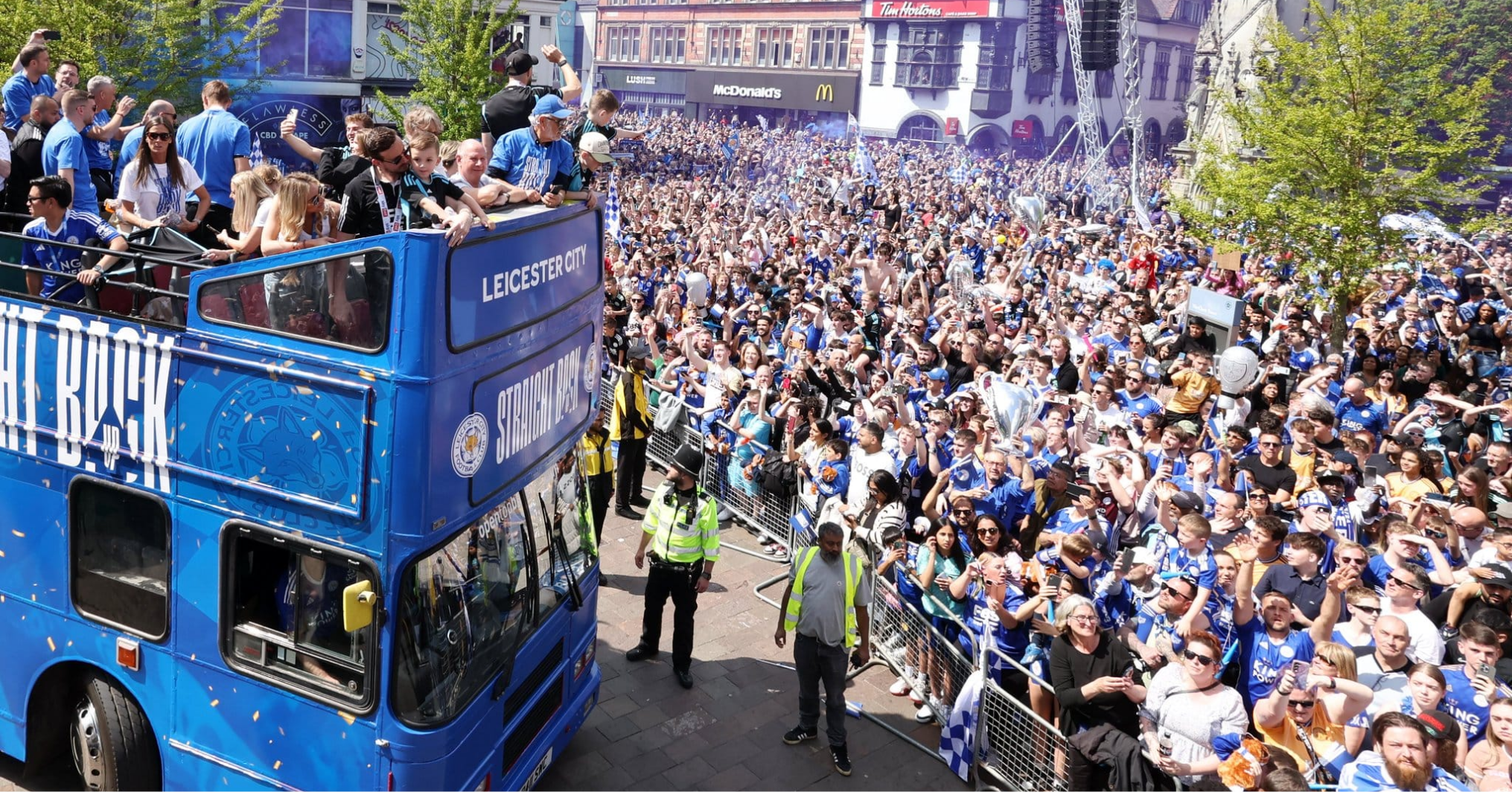
A jubilant crowd surrounds a blue open-top bus with

GET IN TOUCH

Ready to get started?

Contact our friendly team to begin your signage project today.

Say Hello