Sustainable Signage Manufacturing for Procurement Teams

Share this Story
Thursday 2 April 2026
For manufacturers, sustainability is no longer a side conversation. It is increasingly part of procurement criteria, supplier assessment, operational planning, and brand reputation.
Whether the priority is reducing environmental impact, improving supply chain standards, meeting internal ESG targets, or choosing partners that align with wider business goals, decision-makers are under growing pressure to work with suppliers that can demonstrate real progress rather than vague claims.
That is why sustainable manufacturing matters in signage as much as it does in any other area of production and facilities management.
At Hardy Signs, sustainability has been part of the business journey for many years. Since moving to Hardy Place in 2011, we have continued to invest in more efficient technologies, cleaner production methods, and practical improvements that help reduce environmental impact while maintaining the quality, service, and reliability our customers expect.
Why Sustainability Matters in Signage Procurement
For procurement officers and operational decision-makers in manufacturing, supplier choice is about more than cost alone.
A signage partner may be responsible for internal signage, external branding, wayfinding, health and safety communication, vehicle graphics, digital displays, or multi-site rollouts. That means the supplier’s standards, materials, manufacturing methods, and long-term capability all reflect on the business buying from them.
When assessing signage suppliers, manufacturing businesses increasingly need to consider:
- how products are manufactured
- what materials and inks are being used
- whether the supplier is investing in cleaner technologies
- how energy efficient the production process is
- whether sustainability improvements are backed by real operational action
- how future-ready the supplier is in terms of environmental performance
This is where a more sustainable approach to signage manufacturing becomes commercially relevant, not just environmentally beneficial.
Investing in More Sustainable Manufacturing
Since relocating to Hardy Place in 2011, Hardy Signs has used that investment in facilities to strengthen its environmental approach and improve the efficiency of its operations.
Early steps included investing in modern printing equipment and installing more than 200 solar panels at the site. These improvements helped reduce reliance on traditional energy sources, lower electricity costs, and cut annual carbon emissions.
The business also invested in latex printing technology, allowing the use of water-based, solvent-free inks. This supported a move towards cleaner production methods and reduced the use of more harmful alternatives traditionally associated with signage printing.
Alongside this, the facility lighting was upgraded to a low-energy LED system to improve efficiency across the site.
These changes were not introduced as isolated gestures. They formed part of a wider effort to modernise operations, improve sustainability, and ensure Hardy Signs could continue to meet customer expectations with a more responsible manufacturing model.
Why This Matters to Manufacturing Buyers
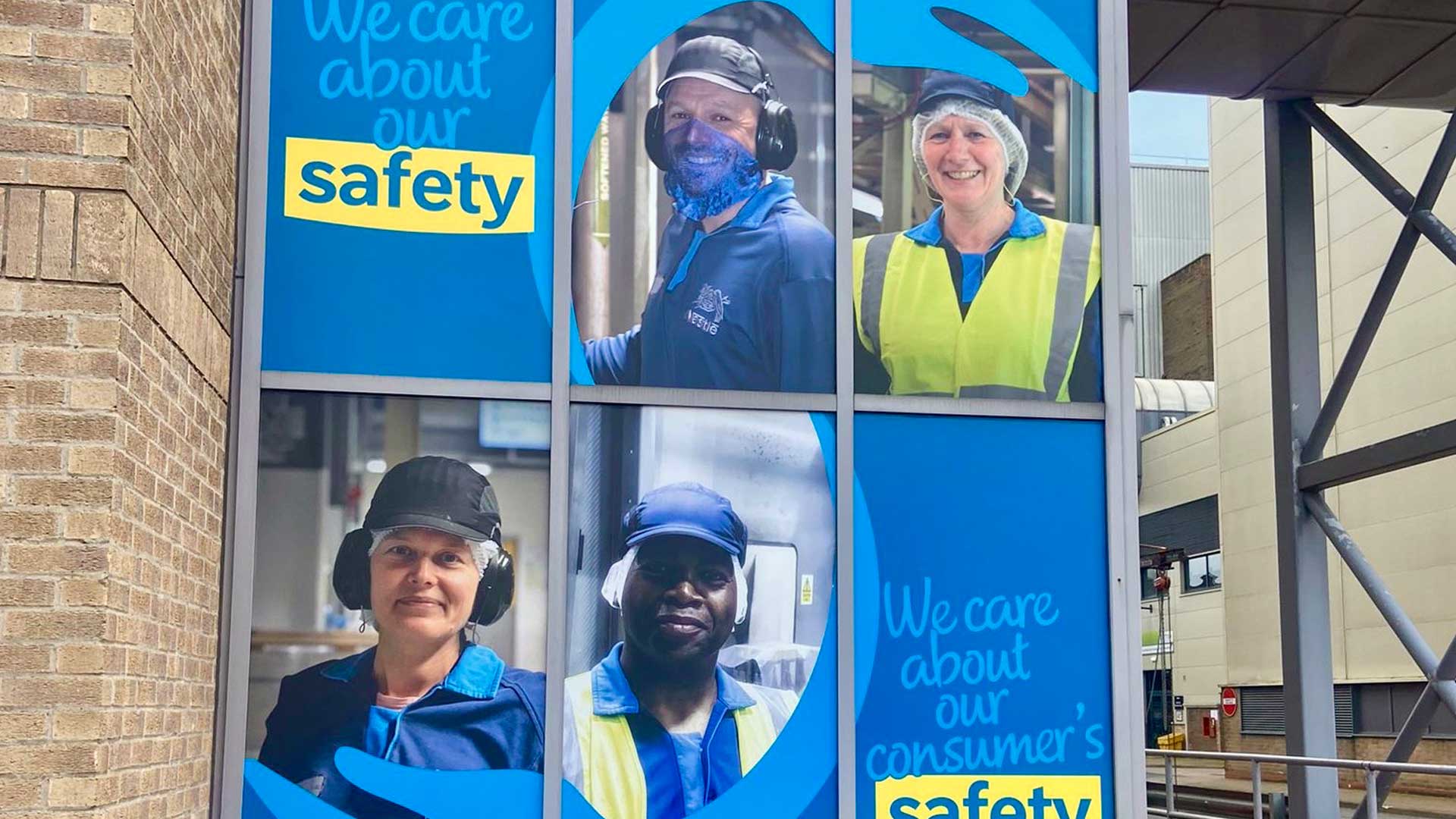
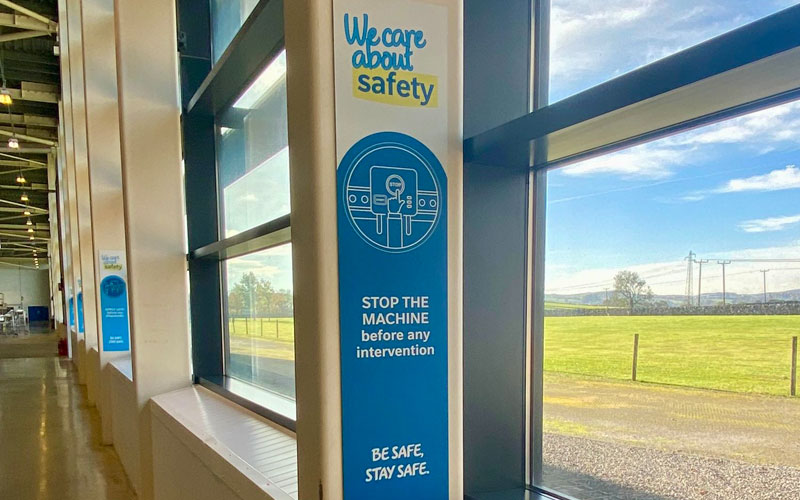
In manufacturing environments, signage often plays a critical operational role. It supports safety, compliance, navigation, site communication, workflow visibility, and brand presentation across busy and complex sites.
For procurement teams, that means choosing a signage supplier that can deliver reliably and instil confidence in how products are made.
A supplier that invests in more sustainable technologies can help support wider organisational priorities such as:
- responsible sourcing
- environmental reporting
- supplier performance standards
- long-term value rather than short-term decisions
- alignment with internal sustainability targets
- reduced waste and more efficient production practices
For many manufacturers, sustainability is now part of the definition of quality. It is not just about what is delivered, but how it is delivered.
Sustainable Investment Must Still Support Service
One of the biggest concerns for procurement professionals is whether sustainability improvements come at the expense of service, lead times, or operational reliability.
In reality, the right investment should strengthen all three.
At Hardy Signs, the focus has been on adopting technologies and processes that improve sustainability while continuing to meet customer demands across the UK. That includes maintaining quality standards, investing in staff capability, and ensuring production improvements support rather than disrupt service delivery.
For decision-makers in manufacturing, this balance is important. A supplier should not simply talk about environmental ambition. They should be able to demonstrate that investment in sustainability is being matched by investment in operational performance and long-term capability.
Transport, Supply Chain and Ongoing Review
Sustainability in manufacturing does not begin and end on the production floor. It also includes transport, logistics, supplier relationships, and ongoing review of raw materials and working methods.
With a fleet covering significant annual mileage, Hardy Signs has also taken steps to improve transport sustainability, including the introduction of hybrid vehicles as part of a longer-term transition. The wider goal is to continue reviewing transport, materials, suppliers, and production technology in line with both environmental progress and customer service requirements.
This matters because procurement teams are increasingly looking beyond the final product. They want to understand whether a supplier is actively improving across the broader supply chain and preparing for future expectations around environmental performance.
Recognition for Sustainable Progress
Hardy Signs’ investment in more sustainable technology has also been recognised externally.
In 2017, the business received the Business Improvement Through Technology Award from the East Midlands Chamber of Commerce. A key factor in that recognition was the company’s commitment to building a more sustainable manufacturing output through investment in equipment, processes, and facilities.
For procurement teams, this kind of recognition helps provide additional confidence that sustainability improvements are not simply marketing messages, but part of a wider operational strategy.
What Procurement Teams Should Look For in a Signage Supplier
If you are reviewing signage suppliers for a manufacturing environment, there are several questions worth asking:
- Is the supplier investing in modern, efficient manufacturing technology?
- Can they explain how their production processes are improving over time?
- Are they reviewing materials, inks, energy use, and transport?
- Can they support both sustainability goals and operational demands?
- Do they have the capability to deliver consistently across multiple projects or sites?
- Are they building long-term value, not just fulfilling immediate orders?
These questions are becoming increasingly important for procurement officers who need suppliers to align with both commercial and environmental expectations.
A Practical Approach to Sustainable Signage Manufacturing
At Hardy Signs, we understand that manufacturing clients need more than promises. They need a signage partner who can combine quality, reliability, and practical progress in sustainability.
Our investment in facilities, technology, and training is part of a long-term commitment to delivering signage solutions responsibly while continuing to meet the operational needs of customers across the manufacturing sector.
From safety signage and wayfinding to branded environments, digital signage, and large-scale site support, we work with businesses that need signage to perform in demanding environments — and want confidence in the supplier behind it.
Talk to Hardy Signs
If your business is reviewing signage suppliers and wants a partner that understands the needs of manufacturing environments, Hardy Signs can help.
We work with manufacturers across the UK to deliver signage solutions that support safety, consistency, operational performance, and long-term procurement confidence.