I’ve always been intrigued by how window graphics can transform a space, whether it’s a storefront catching passerby’s eyes or a personal design statement at home. But living in the UK means dealing with unpredictable weather that can take a toll on these designs. Understanding their durability is key to making the right investment.

In this article, I’ll explore how long window graphics typically last in the UK climate. I’ll break down the factors that affect their lifespan and share tips on choosing the right materials to ensure your graphics stay vibrant and effective for as long as possible. Whether you’re a business owner looking to make a lasting impression or a homeowner wanting to enhance your windows, knowing what to expect can help you make informed decisions.

Understanding Window Graphics Longevity

Window graphics’ lifespan depends on several factors influenced by the UK climate. High-quality materials extend durability, while low-grade options degrade faster. Vinyl graphics typically last 3 to 5 years, whereas polyester materials can endure up to 7 years under similar conditions. Selecting UV-resistant films prevents color fading caused by sunlight exposure.

Key Factors Influencing Longevity:

  • Material Quality: Premium vinyl and polyester offer longer durability.
  • Installation Precision: Proper application reduces peeling and damage from wind.
  • Maintenance Routine: Regular cleaning with non-abrasive solutions preserves integrity.
  • Environmental Exposure: Heavy rain, snow, and temperature changes accelerate wear.
Material Typical Lifespan UV Resistance
Vinyl 3-5 years Moderate
Polyester 5-7 years High
Laminated 4-6 years High

Understanding these factors helps ensure window graphics remain vibrant and effective in the UK’s unpredictable weather.

Factors Influencing Durability

Several elements determine how long window graphics last in the UK climate. Understanding these factors helps in selecting and maintaining graphics for maximum longevity.

Climate Conditions in the UK

The UK’s climate poses unique challenges for window graphics. High humidity, frequent rain, and temperature fluctuations can affect material integrity. Additionally, UV exposure from sunlight leads to color fading and material degradation. Wind and pollution may also contribute to wear and tear, reducing the lifespan of window graphics.

Quality of Materials

Material selection is crucial for durability. High-quality vinyl and polyester offer better resistance to environmental factors. Vinyl graphics typically endure 3 to 5 years, while polyester can last up to 7 years. Opting for UV-resistant films further enhances longevity by minimizing color fading and maintaining vibrancy over time.

Installation Techniques

Proper installation ensures that window graphics adhere correctly and perform optimally. Precise surface preparation, including thorough cleaning and drying, prevents bubbles and wrinkles. Using professional-grade adhesives tailored to specific materials and climates enhances durability. Additionally, accurate application techniques reduce the risk of premature peeling or damage from environmental stressors.

Types Of Window Graphics

Understanding the types of window graphics available helps determine their longevity in the UK climate.

Vinyl-Based Graphics

Vinyl-based graphics use high-quality vinyl materials, offering durability against harsh weather. They typically last 3 to 5 years in the UK climate. Vinyl graphics are UV-resistant, preventing color fading from sunlight exposure. Additionally, they handle humidity and temperature fluctuations effectively. Examples include:

  • Car Wraps: Protect vehicles while displaying vibrant designs.
  • Storefront Signage: Enhance visibility and branding for businesses.
  • Privacy Films: Provide shading and privacy without compromising aesthetics.

Proper installation with professional-grade adhesives ensures maximum lifespan and performance of vinyl-based graphics.

Digital Printed Graphics

Digital printed graphics utilize advanced printing technologies on materials like polyester, extending their durability. These graphics can last up to 7 years in the UK climate. Polyester-based graphics offer superior resistance to UV rays, reducing color degradation over time. They withstand frequent rain, high humidity, and wind without warping or peeling. Common applications include:

  • Advertising Posters: Display high-resolution images for promotional purposes.
  • Decorative Window Panels: Enhance interior aesthetics with custom designs.
  • Information Displays: Provide clear and long-lasting informational signage.

Selecting UV-resistant inks and ensuring precise installation further increases the longevity of digital printed graphics.

Maintenance And Care Tips

Proper maintenance extends the life of window graphics in the UK climate. I follow these essential practices to ensure their longevity.

Regular Cleaning Practices

I clean window graphics monthly to prevent dirt buildup and preserve colors. Using a soft cloth or sponge, I wipe the surface with a mild soap solution. Avoid abrasive cleaners that can damage the material. For stubborn stains, I apply a mixture of water and isopropyl alcohol, then gently scrub. Rinsing with clean water removes any residue, maintaining the graphic’s clarity and vibrancy.

Protective Measures Against Weather

I protect window graphics from harsh UK weather by applying UV-resistant films. These films block harmful sunlight, reducing color fading and material degradation. During heavy rain, I ensure edges are sealed properly to prevent water infiltration. Additionally, installing graphics away from direct wind exposure minimizes the risk of tearing. Regular inspections help identify and address any wear caused by pollution or temperature fluctuations, maintaining the integrity of the graphics.

Signs It’s Time To Replace Window Graphics

Identifying when to replace window graphics ensures continued effectiveness and aesthetic appeal. Here are key indicators to watch for:

  1. Color Fading
  • When colors become noticeably dull or washed out, UV exposure has likely degraded the graphic’s vibrancy.
  1. Peeling Edges
  • If the edges start to lift or curl, moisture infiltration or poor adhesive quality may be the cause.
  1. Cracking or Brittleness
  • Cracks or a brittle texture indicate material degradation, often from temperature fluctuations and prolonged weather exposure.
  1. Reduced Clarity
  • Blurriness or loss of sharpness compromises the graphic’s visibility and message delivery.
  1. Persistent Dirt and Grime
  • Accumulated stains that resist cleaning suggest the graphic’s surface integrity is compromised.
  1. Bubbling or Wrinkling
  • Bubbling or wrinkling surfaces typically result from trapped air or moisture beneath the graphic, weakening its adhesion.
  1. UV Damage
  • Visible signs of UV damage, such as discoloration or material breakdown, necessitate replacement to maintain appearance.

Monitoring these signs regularly helps maintain the quality and longevity of window graphics, ensuring they continue to enhance your space effectively.

Cost Considerations For Longevity

Investing in high-quality window graphics impacts both initial costs and long-term durability. Premium materials like vinyl and polyester require a higher upfront investment but offer extended lifespans. For instance, vinyl-based graphics typically cost between £100 and £300 per window and last 3 to 5 years. In contrast, polyester graphics range from £200 to £500 per window with a lifespan of up to 7 years.

Material Cost per Window Lifespan
Vinyl £100 – £300 3 to 5 years
Polyester £200 – £500 Up to 7 years
UV-Resistant Film Additional £50 Extends lifespan by 2 years

Choosing UV-resistant films adds approximately £50 per window but extends the graphic’s lifespan by up to 2 years by preventing color fading and material degradation. Professional installation costs around £150 per window, ensuring proper adhesion and minimizing premature wear.

Maintenance also affects overall expenses. Regular cleaning with mild solutions costs about £20 annually, while minor repairs may require an additional £30 per incident. Balancing these costs with the benefits of longer-lasting graphics ensures optimal investment in your window displays.

Selecting the right combination of materials and protective measures allows you to maximize the longevity of your window graphics while managing costs effectively.

Conclusion

Choosing the right window graphics for the UK climate means balancing quality and durability. Investing in premium materials ensures your designs stay vibrant longer despite the unpredictable weather. Proper installation and regular maintenance play crucial roles in extending their lifespan. By staying attentive to signs of wear and addressing issues promptly, you can keep your window displays looking fresh and impactful. Ultimately, the effort you put into selecting and caring for your window graphics pays off by enhancing your space and leaving a lasting impression.
Running a successful outdoor eatery means your menu needs to shine day and night. I’ve often wondered how some businesses effortlessly attract customers after dark while others struggle with visibility. Ensuring your outdoor menu display stands out at night isn’t just about aesthetics—it’s crucial for drawing in hungry patrons.

From choosing the right lighting to selecting easy-to-read fonts, every detail plays a role in making your menu accessible and appealing after sunset. I’ve explored the best strategies to enhance nighttime visibility, helping you create a welcoming atmosphere that keeps customers coming back. Let’s dive into the essential tips that will make your outdoor menu impossible to miss, no matter the hour.

Choose The Right Lighting

Selecting appropriate lighting ensures your outdoor menu remains visible and attractive after dark. Effective lighting enhances readability and draws customers to your establishment.

LED Lighting Options

LED lights provide bright, energy-efficient illumination for outdoor menus. They offer various color temperatures, allowing me to match the ambiance of my restaurant. Additionally, LED fixtures have a long lifespan, reducing maintenance costs. With adjustable brightness levels, I can control the intensity to prevent glare and ensure clear visibility.

Placement Of Lights

Strategic light placement maximizes menu visibility and aesthetic appeal. I install lights at eye level to illuminate the menu directly, ensuring customers can read it easily. Positioning lights at angles minimizes shadows and highlights key information. Moreover, surrounding the menu with ambient lighting creates a welcoming environment without overpowering the display.

Optimize Contrast And Colors

Enhancing contrast and selecting appropriate colors boost your outdoor menu’s nighttime visibility. Strategic color choices ensure readability and attract customers after dark.

High Contrast Designs

Implementing high contrast designs improves text legibility in low-light conditions. For example, black text on a white background or white text on a dark backdrop enhances clarity. Utilize bold fonts and avoid similar color pairings to prevent blending. High contrast elements guide customers’ eyes to essential menu information quickly.

Reflective Materials

Incorporating reflective materials increases menu visibility under various lighting conditions. Options like mirrored surfaces or reflective vinyl catch ambient light, making your menu stand out. Position reflective elements where streetlights or ambient lighting can illuminate them effectively. This approach ensures your menu remains noticeable and accessible throughout the night.

Select Appropriate Display Type

Choosing the right display type enhances your menu’s nighttime visibility. I focus on selecting options that align with your brand and lighting needs.

Digital Displays

Digital displays offer dynamic lighting options and customizable content. If I use LED screens, they provide bright illumination and energy efficiency. These displays allow real-time updates, ensuring your menu stays current. Additionally, digital signs can incorporate animations or color changes to attract attention, making them ideal for modern eateries aiming to stand out after dark.

Traditional Signs

Traditional signs rely on established materials and lighting methods for visibility. I opt for illuminated vinyl or backlit boards to ensure clear readability at night. These signs often use high-contrast colors and bold fonts, which enhance legibility under low light conditions. Moreover, traditional signs can be more cost-effective and require less technical maintenance compared to digital options, making them suitable for businesses seeking a reliable and straightforward display solution.

Ensure Proper Placement

Placing your outdoor menu in the right spot enhances its nighttime visibility. I focus on selecting locations that maximize exposure and minimize distractions.

Optimal Locations

I position the menu at eye level to ensure it’s easily readable from a distance. Choosing areas with high foot traffic, such as near entrances or along main pathways, increases visibility. I also consider the angle of incoming light to prevent glare, ensuring the menu remains clear. Additionally, placing the display where it complements the storefront design attracts more attention and integrates seamlessly with the overall aesthetic.

Avoid Obstructions

I ensure the menu is free from physical barriers that could block visibility. Keeping the area around the display clear of signage, plants, or decorations prevents distractions. I also monitor nearby lighting sources to avoid shadows or reflections that obscure the menu. Regularly inspecting the placement helps maintain an unobstructed view, guaranteeing that the menu remains prominent and accessible throughout the night.

Maintain Your Display

Maintaining your outdoor menu keeps it visible and functional throughout the night. Regular upkeep prevents issues that can reduce your display’s effectiveness.

Regular Maintenance

I conduct weekly inspections of my menu display to spot and fix any wear or damage quickly. Cleaning the display every two weeks removes dust and debris, ensuring light clarity. I check all lighting fixtures monthly to confirm bulbs work correctly, replacing any faulty ones immediately. Tightening screws and securing components quarterly prevents the display from shifting or misaligning. Keeping a maintenance log tracks the display’s condition, ensuring it stays in optimal shape.

Weatherproofing

I use weather-resistant materials to protect my outdoor menu display from various environmental conditions. Sealed enclosures guard electronic components against moisture and dust, reducing damage risks. Applying UV-resistant coatings prevents color fading and material degradation from sun exposure. I install gaskets and weather stripping around the display edges to block rain and wind. Selecting corrosion-resistant hardware ensures the display remains sturdy and reliable, even in harsh weather.

Conclusion

Ensuring your outdoor menu is visible at night can significantly boost your business. By choosing the right lighting and optimizing your display’s design, you create an inviting and easily readable menu that draws customers in after dark. Regular maintenance and smart placement further reinforce your efforts, keeping your display in top shape and consistently noticeable. Embracing both traditional and digital display options allows flexibility in how you present your offerings, catering to different customer preferences. With these strategies in place, your outdoor menu becomes a powerful tool in attracting nighttime patrons and enhancing your establishment’s overall appeal.

Thinking about enhancing your small business storefront? Professional window graphics can make a significant difference, but understanding the costs involved is crucial. I’ve explored the various factors that influence pricing so you can make an informed decision without breaking the bank.

From design complexity to material quality, each element plays a role in the overall expense. By breaking down these costs, I’ll help you find the perfect balance between affordability and impactful visual appeal for your business.

Understanding Window Graphics

Window graphics transform storefronts by displaying vibrant, eye-catching designs. I explore various types to determine what suits my business best. Types of Window Graphics include:

  • Vinyl Decals: Affordable, versatile, and easy to apply.
  • Perforated Window Films: Allow visibility from inside while showcasing designs outside.
  • Frosted Films: Provide privacy with elegant patterns and textures.
  • Static Cling Films: Reusable and ideal for temporary promotions.

Materials and Quality significantly impact durability and appearance. I choose high-grade vinyl for longevity and vibrant colors, ensuring graphics withstand weather conditions. Design Complexity affects cost; intricate patterns require more time and expertise, influencing the overall price.

Type Average Cost per Square Foot Durability
Vinyl Decals $5 – $15 3-7 years
Perforated Window Films $8 – $20 5-10 years
Frosted Films $10 – $25 5-15 years
Static Cling Films $4 – $12 1-3 years (reusable)

Installation Process varies by type, with professional application ensuring a perfect finish. I prioritize experienced installers to avoid bubbles and wrinkles, maintaining the graphic’s integrity. Maintenance Requirements are minimal; regular cleaning with non-abrasive materials preserves appearance without degrading the material.

Selecting the right window graphics involves balancing cost, quality, and design to effectively enhance my small business presence.

Factors Influencing Cost

I consider several elements when determining the cost of professional window graphics for small businesses.

Material Selection

The material I choose impacts both price and durability. High-grade vinyl costs approximately $2 to $5 per square foot, offering longevity and vibrant colors. Perforated films range from $3 to $6 per square foot, allowing visibility from inside. Frosted and static cling films typically cost between $2.50 and $4.50 per square foot, providing privacy without permanent application.

Design Complexity

Design intricacy affects production time and costs. Simple logos or text may cost around $100 to $300, while intricate graphics with multiple colors and layers can range from $400 to $1,000 or more. Detailed artwork requires specialized skills and materials, influencing the overall pricing.

Size and Quantity

The size of the graphic and the number of pieces drive up costs. A single 10×10 foot window graphic might cost between $500 and $1,500, depending on material and design. Ordering multiple pieces often reduces the per-unit cost, with bulk discounts available for quantities exceeding five installations.

Installation Expenses

Understanding installation expenses is crucial for budgeting your window graphics effectively. This section explores the costs associated with professional installation versus DIY options and highlights additional services that may impact your overall investment.

Professional Installation vs. DIY

Choosing between professional installation and a DIY approach affects both cost and quality. Professional installation ensures a flawless finish and reduces the risk of errors, which can save money in the long run.

Installation Type Average Cost Considerations
Professional $100 – $300 per window Expertise, warranty, time-saving
DIY $50 – $150 per window Lower upfront cost, higher risk of mistakes

Opting for professional services typically costs more initially, ranging from $100 to $300 per window. However, professionals bring experience and guarantee a high-quality application. In contrast, DIY installation costs between $50 and $150 per window but may require more time and carry a higher risk of imperfections that could necessitate reinstallation.

Additional Services

Several additional services can influence the total installation expenses. Understanding these options helps in making informed decisions tailored to your business needs.

  • Surface Preparation: Ensures windows are clean and smooth before application, typically adding $20 – $50 per window.
  • Design Customization: Custom graphics or intricate designs may incur extra charges, ranging from $50 to $200 based on complexity.
  • Removal and Replacement: Future removal or updating of graphics can cost between $30 and $100 per window.
  • Maintenance Packages: Ongoing maintenance services may be available for a monthly fee, usually between $50 and $150.

Incorporating these additional services can enhance the durability and appearance of your window graphics, ensuring they remain effective in promoting your business.

Maintenance and Longevity

Maintaining window graphics ensures their appearance and extends their lifespan. I recommend cleaning them regularly with a soft cloth and mild detergent to prevent dirt buildup. If exposed to harsh weather, graphics might degrade faster, so choosing UV-resistant materials enhances durability.

High-quality materials offer longer longevity. Vinyl decals typically last 5 to 7 years, while perforated window films endure 7 to 10 years under normal conditions. Frosted films maintain their look for 5 to 10 years, and static cling films last between 3 to 5 years. Proper maintenance can help maximize these durations.

Type of Window Graphic Maintenance Requirements Longevity
Vinyl Decals Clean with soft cloth and mild detergent 5-7 years
Perforated Window Films Use gentle wipes, avoid abrasive cleaners 7-10 years
Frosted Films Apply non-abrasive cleaners to prevent scratches 5-10 years
Static Cling Films Regularly remove and reapply to maintain adhesion 3-5 years

I prioritize selecting high-grade materials to minimize maintenance efforts and ensure that window graphics remain vibrant and intact over time. Additionally, professional installation reduces the risk of premature wear, contributing to the overall longevity of the graphics.

Choosing the Right Provider

Selecting the right window graphics provider ensures quality and value for your small business. I evaluate providers based on experience, portfolio, and client reviews. Experienced companies demonstrate proficiency through diverse projects and long-standing operations.

Reviewing a provider’s portfolio highlights their design capabilities and material quality. I look for consistency in past projects and versatility in handling different business needs. Client testimonials offer insights into reliability and customer satisfaction. Positive feedback indicates dependable service and effective communication.

Material selection plays a crucial role in durability and appearance. I choose providers that use high-grade vinyl and UV-resistant films to ensure longevity and vibrant visuals. Pricing transparency is essential; I compare quotes to understand what’s included, avoiding hidden fees.

Timely installation affects the overall outcome. I prioritize providers with efficient schedules and proven installation processes. Additionally, I consider post-installation support, such as maintenance services and warranty options, to maintain the graphics’ quality over time.

By focusing on these factors—experience, portfolio, client reviews, material quality, pricing transparency, installation efficiency, and support services—I ensure that I partner with a provider that meets my business’s specific needs and budget.

Balancing Cost and Quality

Balancing cost and quality is crucial when selecting window graphics for my small business. I evaluate material durability against budget constraints to ensure a worthwhile investment. High-grade vinyl offers longevity, typically lasting 5 to 7 years, which justifies its higher initial cost. In contrast, more affordable options like static cling films may require replacement every 3 to 5 years, increasing long-term expenses.

I consider design complexity as well. Simple designs cost between $100 and $300, while intricate graphics range from $400 to $1,000. Choosing a design that effectively communicates my brand without unnecessary complexity helps manage costs without sacrificing impact.

Size and quantity also play roles in balancing cost and quality. Larger graphics and bulk orders can reduce the per-square-foot price, providing better value. For example, ordering 10 square feet of perforated film costs less per unit than purchasing 5 square feet.

Here’s a breakdown of cost versus quality factors:

Factor Higher Cost Benefits
Material High-grade vinyl ($2-$5/sq ft) Increased durability and vibrant look
Design Complexity Complex designs ($400-$1,000+) Enhanced visual appeal
Size & Quantity Bulk orders or larger sizes Lower per-unit cost
Installation Professional installation ($100-$300) Flawless finish and longevity

By carefully assessing these factors, I achieve a balance that maintains quality while staying within my budget. Prioritizing durable materials and effective designs ensures my window graphics make a lasting impression without overspending.

Conclusion

Investing in professional window graphics is a smart move for any small business. It not only enhances your storefront but also attracts more customers. I’ve seen firsthand how the right graphics can make a huge difference in visibility and brand recognition.

Balancing cost and quality is key. Choosing high-grade materials and professional installation might seem pricier initially but pays off in the long run. By carefully evaluating your needs and budget you can achieve stunning results without breaking the bank.

Take the time to select a provider that understands your vision and delivers value. With the right approach your window graphics will serve as a powerful marketing tool that elevates your business presence for years to come.

Hospitals are vital for ensuring a lower level of stress for patients, staff and visitors. Implementing a visual communication method using digital displays can improve overall environmental conditions.

Creating a digital displays canvas in the healthcare facilities can enhance patient care. The possibilities are endless for digital signage to help improve healthcare. The possibilities are endless, from information digital displays featuring waiting time news information to backend monitors and operation screens.

Top 10 ways to use digital signage in a hospital

Digital signage can significantly improve patient trust. The software allows the user to visually communicate with them, tell them about the quality of the services you provide to them or even inform them about your wait. So your patients can easily communicate when they walk into your office. The use of digital signage in a medical office is an important way to get started with the guide.

Medical Facilities to Implement Digital Signage Integration

Virtually every establishment will benefit from the use of digital signage, and this is only an example of the implementation of digital screens specifically in healthcare industry. Digital signage solutions may also help patients and visitors in waiting rooms track their wait time as well as their expected waiting periods.

These digital signage screens also may serve as teaching resources to captive audience, such as health tips and recommendations on specialization in medicine. Digital signage in dental offices is just as efficient as in a doctor’s office, especially in a waiting areas. The only changes will be to the informational screens.

1- Digital Donor-Recognition Walls

Digital signage displays can be used as a way of advertising donors, as well as a means to recognize your patients financially. Feature the names and your thanks message in beautiful animations to attract a larger eye.

In the same vein, you can encourage donors by promoting projects your hospitals are running like the Hospital Wings Extension, Hospital Upgrade Equipment and Community Funding. Sharing progress on digital display is good for fostering accountability and promoting transparency to donors by allowing them to see how much they’re contributing.

2-Digital Welcome Signage

Health organizations are not generally the most relaxing place to visit. Sometimes a person is uncomfortable or nervous when they visit the hospital even after a routine visit. To improve overall visitor care, and bring a positive environment in place hospital employees are advised to try to reduce anxiety and discomfort to the visitors of hospital.

Digital signage for hospitals can help reduce patient stress levels by presenting the patient with an uplifting experience from the moment your visitor walks inside the building with welcome screens, entertaining content and captivating graphics.

3- Wayfinding signage

A wayfinding sign identifies a location from which people are directed. Those coming into your healthcare facility must know how to get to you first. Tell me the address of the receptionist’s offices? How Do Emergency Services Work? What’s an easy way for a person who has suffered a serious injury or illness to visit their relatives in an emergency? What is an escape point?

Wayfinding signage helps users get there faster and saves them from interrupting hospital staff to find the right direction or where to.

4- Digital advertising and marketing

When placed in a highly trafficked area like the hospital lobby, a digital ad displays your messages to more people and allows for highly engaging content that significantly boosts your campaign visibility. Similarly, you can advertise healthcare products to increase reputations, real time fundraising campaign, nutritional information, upcoming events and other health related information.

Effective communication on promoting fundraisers and community-based activities may encourage involvement in the community or help foster a strong link between your hospital and the surrounding area.

5- Digital bulletin boards

A good patient’s healthcare is dependent on efficient interaction with patients. Digital bulletin board displays are an excellent way to capture patient and visitor attention. In addition, provide patients with flu shots reminders or hygiene policies to keep everybody updated.

The electronic bulletin board lets you control and update the contents of your screen remotely. Bulletin boards can provide important communication tools between departments in a hospital.

7 -Digital Hospital Waiting Room Signage

Hospital waiting area is the place in which patients are most anxious. No person likes waiting in line. There’s no way to cope with uncertainty. Consequently, focusing the audience off the wait can improve hospital visitor experience.

Integration with the appointment scheduling software for hospitals can reduce the wait room stress and improve the visitor satisfaction. This displays patient wait times and queue status to keep them informed. By displaying informative, engaging content a Digital Signage display can reduce the perceived waiting time. With a captive audience a smart hospital can use a display to show a variety of relevant content.

8- Patient check-in kiosks

Self-service has gained widespread acceptance as more people seek assistance from the self rather than seeking help from medical staff, reception desk or other staff members . By integrating the appointment management system of the hospital into a digital signage kiosk, it will allow the patient to get more information and encourage self-check-in. Patients can check the availability and make an appointment accordingly while waiting in line.

9- Create a digital canvas across your hospital

Enhance your customer experience using content marketing tools such as Omnivéx. The range of screens you’ll find that show patient wait times, news and information, navigation screens and back office screens will help manage all aspects of hospital care. Reducing hospital visits is vital to reduce stress. Visual communication is important for promoting the good of the surrounding environment.

10- Digital menu board in cafeteria

Hospitals may use digital menu boards to display the cafeteria dynamic menus, attracting attention and improving overall revenue. Digital menu boards could improve hospital cafeteria operation and eliminate whiteboards.

Digital menu boards offer flexibility in the content update where you quickly and easily modify the contents of menus. In cafeterias too, dynamic menus can rotate with nutritional information, pricing and other options to enhance visitor and patient experience.

Also, in same time you can show queue management informational screens. It’s incredibly hard to wait.” Showing the person where they’re at ease eases tension.

How can I improve my healthcare digital signage?

Increase my digital presence?

  • Improvements in mapping functionality

  • Multi-linguistic assistance

  • Virtual customer service locations

  • Integration for smartphones and tablet systems

  • Enhanced brand positioning

  • Containment

Easily customize your digital route planning solution by contacting our team at Hardy Signs and get expertise help.

Our award-winning team is available to support and get you through the process by finding the best approaches, materials and technology to make you stand out.

Excellent exhibition signage is all about the user experience. Not only should your signage look good and promote your brand, but it should also be fun and entertaining for your audience. You have total creative freedom when you integrate bespoke exhibition signage into your events and trade shows.

All you need are some good ideas to carry it forward. Then your brand can stand out from the competition at your events and attract the largest crowds to your booth. Isn’t that what exhibitions are all about anyway?

Here are the top four exhibition signage ideas to establish a better user experience.

1) Utilise the Power of Digital Signage

If you want your exhibition signage to stand out in the 21st-century marketplace, then you need to go digital with your displays. Audiences are very attracted to digital displays because of their colourful graphics and motion pictures. No other exhibition signage can even compare to it.

Digital signage creates unlimited opportunities to display practically any imagery that you want. You don’t even have to keep the same imagery on the screen because you can play videos or slideshows with a push of a button.

This saves you the trouble of creating new signage anytime you want to promote new products. The only thing you’ll need to create is the digital imagery for the signage. But don’t worry, because our design team can help you with that.

2) Put Exhibition Signage at the Entryways and Exits

If you have control over the facility or venue used for the event, try to place your exhibition signage at the entryways and exits, if possible.

Sometimes it is not enough to wait for people to find your booth at a trade show. Instead, engage them with your signage wherever possible. What better place than the entryways and exits where everyone passes through each day?

If people can see your impressive signage displays, they will want to look for your booth as soon as they enter the facility.Email UsBrochure

3) Floor Graphics

People often look at the floor when they walk. That is why it would be a wasted opportunity not to have floor graphics and signage underneath their feet. Think about how you could attract their attention right under their chin.

Hardy Signs can create custom-branded floor graphics to promote your business in a fun and creative way. When people see the creative floor graphics and their promotions, they may feel compelled to take pictures with their smartphones and share them with their friends on social media. The possibilities are endless.

4) Wayfinding Signage

Anyone new to your facility will likely get lost without wayfinding and directional signage to guide them.

For this reason, it is a good idea to post numerous wayfinding signs and banners throughout your facility. Then you’ll make it as easy as possible for people to find your booth or whatever you want to promote.

If people feel comfortable navigating your facility, they may also feel pleased with your brand and its products.

Contact Us

Contact us at +44 (0) 1283 569 102 to learn more about these top exhibition signage ideas and how they can improve user experience amongst your target audience.About the company: Hardy Signs is a professional and digital signage company that designs, manufactures and installs bespoke signage products to a wide range of business sectors in the United Kingdom.

Illuminated shop signs are one of the most powerful tools for attracting customers, especially in busy retail areas across the UK. But with our famously unpredictable weather, from constant rain and freezing winters to high winds and UV exposure, keeping illuminated signage performing at its best can be challenging. Without the correct maintenance, even the brightest sign can quickly lose impact.

At Hardy Signs, we’ve been manufacturing and installing illuminated signage since 1993. After more than 30 years in the UK signage industry, we understand exactly how the climate affects signage and the steps required to keep your investment shining brilliantly all year round.

Why the UK Climate Takes a Toll on Illuminated Signs

Our weather conditions can significantly impact the appearance, brightness and structural integrity of illuminated signage:

  • Frequent rainfall can cause moisture ingress and corrosion.
  • Strong winds may loosen fixings or damage external components.
  • Temperature swings cause materials to expand and contract.
  • Snow and ice add weight and strain to sign structures.
  • UV rays fade surfaces and reduce lighting clarity over time.

Without regular maintenance, minor issues can turn into costly repairs.

Types of Illuminated Signs & Their Care Requirements

Every illuminated sign, from LED and neon to traditional fluorescent lighting, needs tailored care:

LED Signs

Energy-efficient and durable but still require regular lens cleaning and inspection of electrical connections.

Neon Signs

Bright and eye-catching, but the glass tubes need careful cleaning and protection from temperature fluctuations.

Traditional Lighting

Fluorescent and incandescent signs require bulb replacements and frequent wiring checks due to shorter lifespans.

Essential Maintenance Practices for Long-Lasting Illuminated Signs

Here’s how businesses can protect their investment:

  1. Regular Cleaning

Pollution, dirt and rain residue can dim your signage and damage materials. Monthly cleaning keeps your branding sharp and visible.

  1. Electrical System Checks

Wiring and connectors should be inspected regularly to prevent faults, especially after extreme weather.

  1. Replacing Components

LED modules, drivers, transformers and bulbs all degrade over time. Replacing them proactively keeps your sign bright and reliable.

Seasonal Maintenance

Winter:

  • Check for snow or ice build-up
  • Seal electrical components
  • Inspect for water ingress
  • Test lighting systems before peak trading periods

Summer:

  • Clean more frequently due to increased dust
  • Inspect for UV fading
  • Ensure ventilation around electrical components
  • Tighten structural fixings after high winds

Seasonal adjustments are the key to all-year performance.

Why Professional Sign Maintenance Makes a Difference

Bringing in signage experts ensures:

  • Faster diagnosis of issues
  • UK‐compliant electrical safety checks
  • Extended lifespan of your signage
  • Stronger protection against weather-related damage
  • Maximum brightness and visibility

A professional maintenance schedule is particularly valuable for illuminated fascia signs, shopfront signage, digital displays and large exterior signs exposed to the elements.


Keep Your Signage Shining Bright With Hardy Signs

Illuminated shop signs are one of your most valuable branding assets and maintaining them properly is essential for visibility, safety and long-term cost savings. With the right care, your signage can continue attracting customers day and night, no matter what the British weather throws at it.

If your sign is looking dim, weathered or overdue a check-up, Hardy Signs is here to help.

We offer professional maintenance, electrical inspections and refurbishment services to keep your illuminated signage performing at its best.

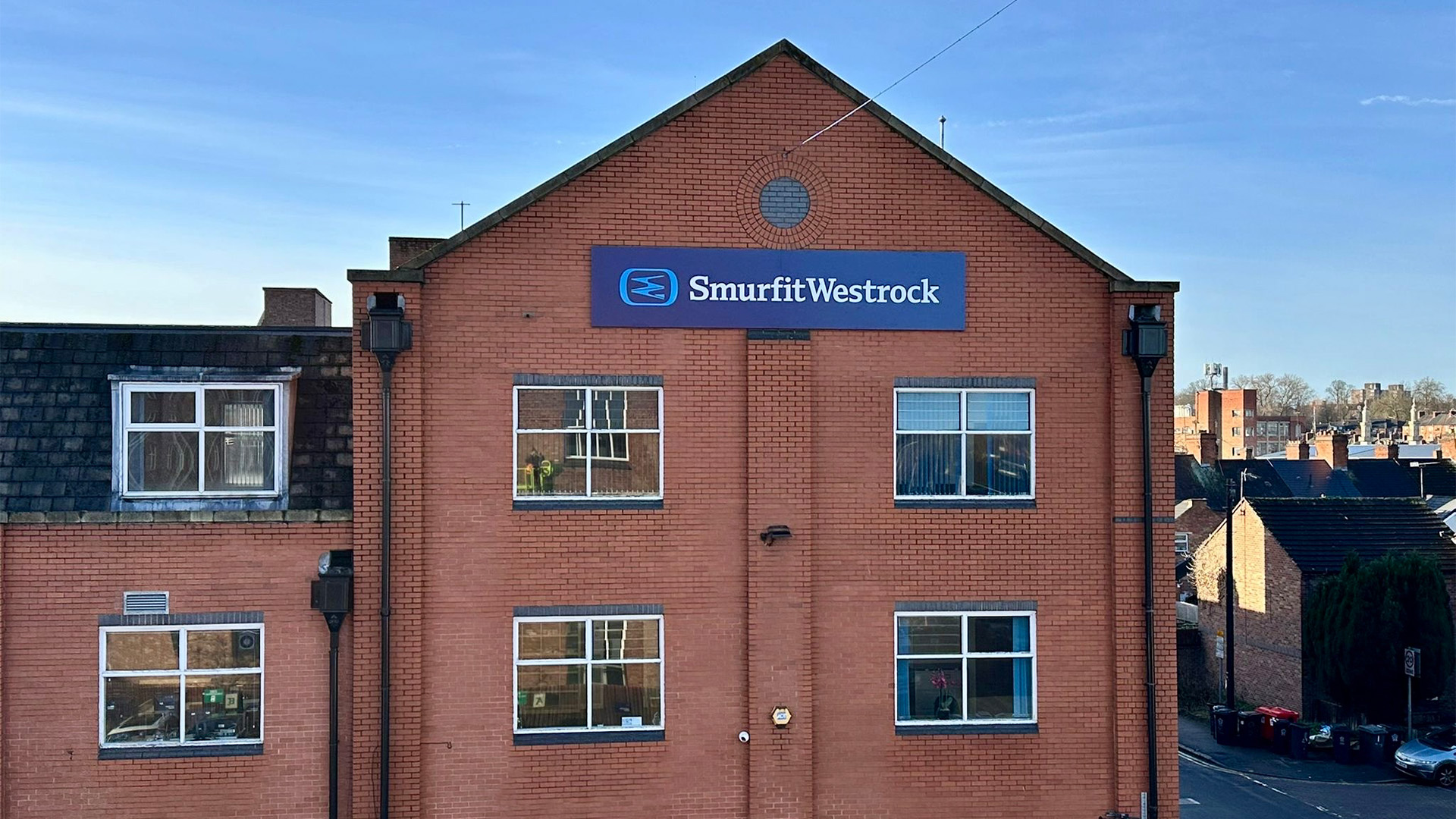
In July 2024, industry giants Smurfit Kappa and WestRock officially merged to form Smurfit Westrock, creating a global powerhouse in sustainable packaging with operations spanning over 40 countries and 100,000 employees. The new entity unveiled a refreshed corporate identity and logo to reflect its modern, unified, and sustainability-driven vision.

To bring this transformation to life across the UK, Smurfit Westrock partnered with Hardy Signs to deliver a comprehensive signage rollout. This project showcased both the power of visual branding and Hardy Signs’ expertise in large-scale rebrand implementation.

Transforming Four Major UK Sites

Hardy Signs was entrusted with rebranding four key Smurfit Westrock sites across Swadlincote, Nottingham, Leicester, and Tewkesbury. The project encompassed both internal and external signage, ensuring consistent brand representation and a seamless transition to the new corporate identity.

The extensive scope of work included:

  • External Branding & Wayfinding: Installation of large-format signage and exterior branding elements featuring Smurfit Westrock’s new logo, along with bespoke wayfinding solutions for improved site navigation.
  • Internal Signage & Stand-Off Lettering: Modern, precision-engineered stand-off lettering and internal signage to reinforce the company’s refreshed identity in lobbies, meeting rooms, and key office areas.
  • Vinyl Graphics & Creative Safety Signage: Branded vinyl installations that communicate Smurfit Westrock’s values and sustainability message. Hardy Signs also designed an innovative safety sign incorporating a built-in mirror to promote PPE compliance, merging functionality with creativity.


A Partnership Built on Trust and Precision

Delivering a rebrand across multiple large sites required meticulous project management, detailed planning, and precise execution. Hardy Signs’ ability to coordinate logistics, maintain quality, and ensure consistency across locations was instrumental in achieving a smooth rollout.

“Managing a rebrand of this scale demanded precision, teamwork, and trust,” said Nik Hardy, Managing Director at Hardy Signs. “We’re incredibly proud to have supported Smurfit Westrock in marking this exciting new chapter for their brand.”

“The Hardy Signs team exceeded expectations,” said a spokesperson for Smurfit Westrock. “Their attention to detail and professionalism helped us bring our new brand identity to life across the UK.”

If your business is planning a rebrand or corporate refresh, make Hardy Signs your key partner in bringing your new identity to life, from concept to installation, across every site.

When you want to create signage to promote your brand or advertisement, you must understand your target audience and what attracts them. It isn’t enough to order signage and expect it to achieve exemplary results for your business. Instead, you need to understand the factors that will allow you to create successful signage for your particular brand.

The best way to approach a new signage design project is to request the services of a signage consultant. Then you will have an expert on your side with the experience and skills necessary to help you create high-quality signage for any brand.

Here are the top 5 ways in which the power of a signage consultant can benefit your company’s promotional efforts.

However, will your old exhibition signage and promotional messaging still work? You may not want to reuse the same signage you used previously because its messaging and physical appearance have probably both deteriorated by this point.

1) Create a Personalised Design Plan

The first thing a signage consultant will do is discuss your signage project with you in great detail. They will want to know your preferences for the signage design and what you hope the signage will achieve for your business. After that, the signage consultant will create a plan to achieve this desired result.

Signage consultants may incorporate some of your preferences into the design or suggest alternative ways to attract your audience better. Total transparency is maintained throughout the planning and designing process. That way, you can approve or disapprove of any new design ideas implemented throughout the process.

2) Evaluate the Promotional Space

Where do you want your signage promoted? On your fleet of vehicles? Outside or inside your commercial facility? A signage consultant will evaluate the desired promotional space for your signage to influence the design plan.

After all, you cannot use the same signage designs in several different locations. The amounts of available space and lighting are two critical factors in creating the perfect signage to promote your brand. Environmental issues are another important factor too.

For example, outdoor signage will have many weather and lighting issues affecting its visibility. A signage consultant can figure out the best way to navigate these issues to ensure your signage remains visible 24/7.Enquire nowBrochure

3) Accommodating Your Budget

Every business owner wants the best quality signage their money can buy. But, unfortunately, your advertising budget may only limit you to certain types of signage, especially when it comes to the size and sophistication of the signage.

A professional signage consultant will know how to stretch your advertising dollars to obtain the best quality signage possible for your budget. They can juggle between affordability and quality so that you don’t choose the cheapest signage available without first assessing its quality.

4) Contrast and Uniqueness

Good quality signage will stand out from the rest of the competition. Any reputable signage consultant will tell you that contrast and uniqueness are the two traits of any successful signage design.

The idea is to make it easy for your target audience to remember your brand image when they look at your signage. Of course, it can only happen if your signage looks different than every other brand’s signs.

So how much do you know about the signs of your competitors? A signage consultant makes it their business to become familiar with the signage designs used in every industry. If you can rely on their advice, you can have peace of mind knowing your signage design is original and creative. Then you can be sure it will attract your target audience.

5) Targeting Your Audience

Who is your target audience? Have you identified who they are yet? Don’t worry if you haven’t because a signage consultant can help you identify your target audience and then create signage to target them effectively.

Just let the signage consultant know the industry of your business and what it sells. That should be enough information for the consultant to create a design plan to target the specific demographics interested in your brand.

Contact a Signage Consultant Today

Now you can see the power of a signage consultant. Therefore, please don’t hesitate to contact the professional signage consultants and designers of Hardy Signs if you need high-quality signage designed for your brand. We can create digital signage, outdoor signage, indoor signage, safety signage, vehicle signage, etc.

Contact Hardy Signs at +44 (0) 1283 569 102 to request an appointment with a professional signage consultant for your project.About the company: Hardy Signs is a professional and digital signage company that designs, manufactures and installs bespoke signage products to a wide range of business sectors in the United Kingdom.

50” Freestanding Digital Screen has been installed at the Birmingham HQ of Richardson, enabling the worldwide real estate and growth capital leaders to modernise their various reception areas.

The modern digital display installed at Richardson allows the organisation to update the content remotely, from anywhere in the world, providing a stable internet connection. It is suitable for public environment with a sturdy enclosure and tempered glass and its’ 4 wheels allow easy transport to anywhere in the building. 


Richardson is a leader in real estate and growth capital with a business portfolio that is embedded across the world.

Their current growth capital investment includes Singapore, Switzerland, the UK, the USA and New Zealand. 

Likewise, their real estate holdings are significant in scale and content, encompassing office, residential, distribution centres, leisure and infrastructure properties, nationally and internationally.

Chief of Staff and Operations of Richardson, Paul Faulkner said: ”Here at Richardson we are delighted to have taken delivery of our very first digital display. Through this kit, we intend to modernise our office areas in our HQ in Birmingham and we see it become very useful as we interact with more customers and prospects.”

”Big thank you to Nik and the team at Hardy Signs for all of their help.”

Managing director of Hardy Signs, Nik Hardy said: ”Really pleased to reacquaint with Paul. It’s great to become a supplier to Richardson, – this is our first job and we hope for much more to come in the future.”

”I’ve knows Paul for many years and we are always excited to work with him.”JTNDaWZyYW1lJTIwd2lkdGglM0QlMjI1NjAlMjIlMjBoZWlnaHQlM0QlMjIzMTUlMjIlMjBzcmMlM0QlMjJodHRwcyUzQSUyRiUyRnd3dy55b3V0dWJlLmNvbSUyRmVtYmVkJTJGRVJqeXVKZkVOdmMlMjIlMjB0aXRsZSUzRCUyMllvdVR1YmUlMjB2aWRlbyUyMHBsYXllciUyMiUyMGZyYW1lYm9yZGVyJTNEJTIyMCUyMiUyMGFsbG93JTNEJTIyYWNjZWxlcm9tZXRlciUzQiUyMGF1dG9wbGF5JTNCJTIwY2xpcGJvYXJkLXdyaXRlJTNCJTIwZW5jcnlwdGVkLW1lZGlhJTNCJTIwZ3lyb3Njb3BlJTNCJTIwcGljdHVyZS1pbi1waWN0dXJlJTIyJTIwYWxsb3dmdWxsc2NyZWVuJTNFJTNDJTJGaWZyYW1lJTNF

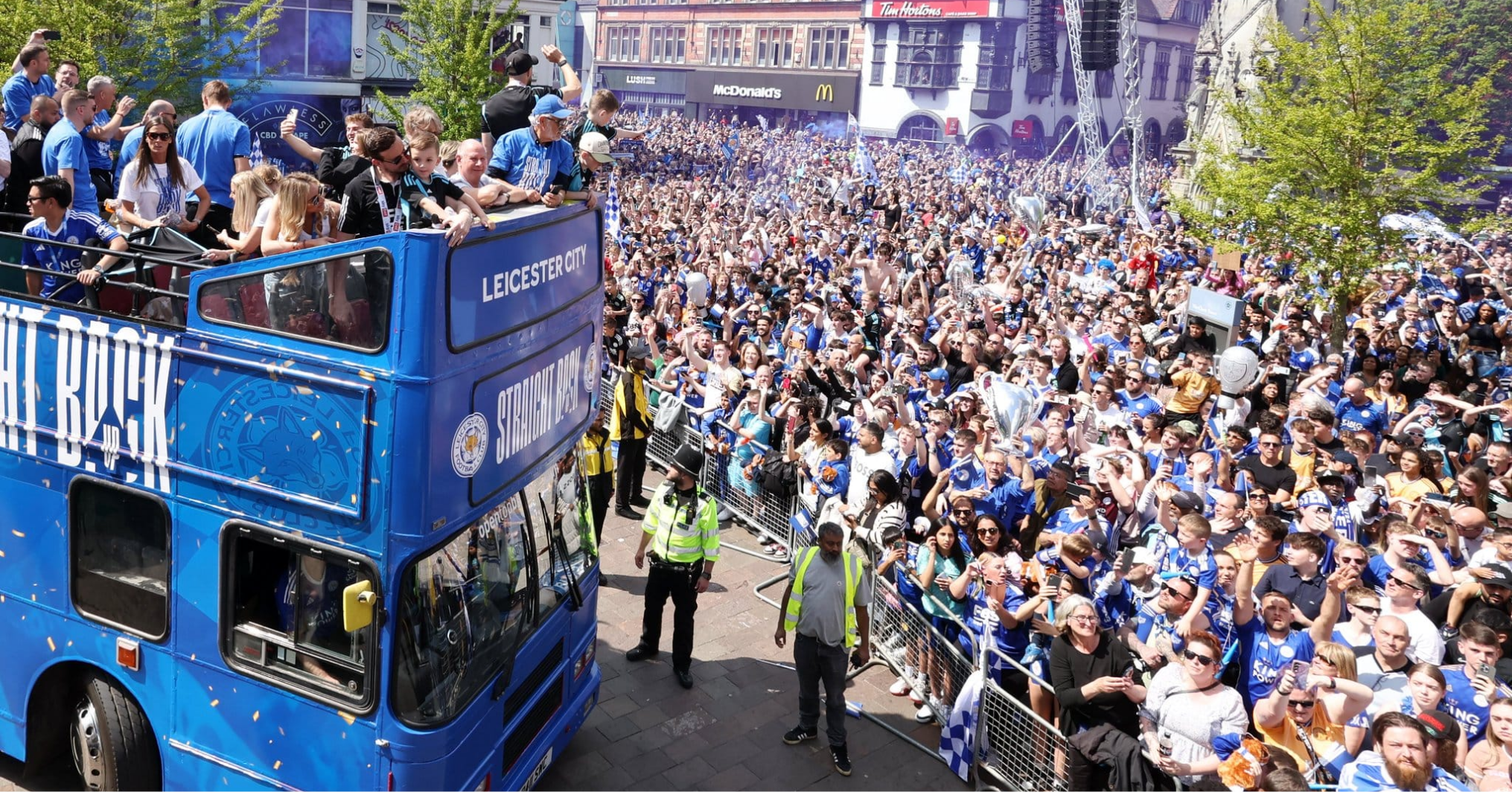
A jubilant crowd surrounds a blue open-top bus with

GET IN TOUCH

Ready to get started?

Contact our friendly team to begin your signage project today.

Say Hello