I’ve always been intrigued by how window graphics can transform a space, whether it’s a storefront catching passerby’s eyes or a personal design statement at home. But living in the UK means dealing with unpredictable weather that can take a toll on these designs. Understanding their durability is key to making the right investment.

In this article, I’ll explore how long window graphics typically last in the UK climate. I’ll break down the factors that affect their lifespan and share tips on choosing the right materials to ensure your graphics stay vibrant and effective for as long as possible. Whether you’re a business owner looking to make a lasting impression or a homeowner wanting to enhance your windows, knowing what to expect can help you make informed decisions.

Understanding Window Graphics Longevity

Window graphics’ lifespan depends on several factors influenced by the UK climate. High-quality materials extend durability, while low-grade options degrade faster. Vinyl graphics typically last 3 to 5 years, whereas polyester materials can endure up to 7 years under similar conditions. Selecting UV-resistant films prevents color fading caused by sunlight exposure.

Key Factors Influencing Longevity:

  • Material Quality: Premium vinyl and polyester offer longer durability.
  • Installation Precision: Proper application reduces peeling and damage from wind.
  • Maintenance Routine: Regular cleaning with non-abrasive solutions preserves integrity.
  • Environmental Exposure: Heavy rain, snow, and temperature changes accelerate wear.
Material Typical Lifespan UV Resistance
Vinyl 3-5 years Moderate
Polyester 5-7 years High
Laminated 4-6 years High

Understanding these factors helps ensure window graphics remain vibrant and effective in the UK’s unpredictable weather.

Factors Influencing Durability

Several elements determine how long window graphics last in the UK climate. Understanding these factors helps in selecting and maintaining graphics for maximum longevity.

Climate Conditions in the UK

The UK’s climate poses unique challenges for window graphics. High humidity, frequent rain, and temperature fluctuations can affect material integrity. Additionally, UV exposure from sunlight leads to color fading and material degradation. Wind and pollution may also contribute to wear and tear, reducing the lifespan of window graphics.

Quality of Materials

Material selection is crucial for durability. High-quality vinyl and polyester offer better resistance to environmental factors. Vinyl graphics typically endure 3 to 5 years, while polyester can last up to 7 years. Opting for UV-resistant films further enhances longevity by minimizing color fading and maintaining vibrancy over time.

Installation Techniques

Proper installation ensures that window graphics adhere correctly and perform optimally. Precise surface preparation, including thorough cleaning and drying, prevents bubbles and wrinkles. Using professional-grade adhesives tailored to specific materials and climates enhances durability. Additionally, accurate application techniques reduce the risk of premature peeling or damage from environmental stressors.

Types Of Window Graphics

Understanding the types of window graphics available helps determine their longevity in the UK climate.

Vinyl-Based Graphics

Vinyl-based graphics use high-quality vinyl materials, offering durability against harsh weather. They typically last 3 to 5 years in the UK climate. Vinyl graphics are UV-resistant, preventing color fading from sunlight exposure. Additionally, they handle humidity and temperature fluctuations effectively. Examples include:

  • Car Wraps: Protect vehicles while displaying vibrant designs.
  • Storefront Signage: Enhance visibility and branding for businesses.
  • Privacy Films: Provide shading and privacy without compromising aesthetics.

Proper installation with professional-grade adhesives ensures maximum lifespan and performance of vinyl-based graphics.

Digital Printed Graphics

Digital printed graphics utilize advanced printing technologies on materials like polyester, extending their durability. These graphics can last up to 7 years in the UK climate. Polyester-based graphics offer superior resistance to UV rays, reducing color degradation over time. They withstand frequent rain, high humidity, and wind without warping or peeling. Common applications include:

  • Advertising Posters: Display high-resolution images for promotional purposes.
  • Decorative Window Panels: Enhance interior aesthetics with custom designs.
  • Information Displays: Provide clear and long-lasting informational signage.

Selecting UV-resistant inks and ensuring precise installation further increases the longevity of digital printed graphics.

Maintenance And Care Tips

Proper maintenance extends the life of window graphics in the UK climate. I follow these essential practices to ensure their longevity.

Regular Cleaning Practices

I clean window graphics monthly to prevent dirt buildup and preserve colors. Using a soft cloth or sponge, I wipe the surface with a mild soap solution. Avoid abrasive cleaners that can damage the material. For stubborn stains, I apply a mixture of water and isopropyl alcohol, then gently scrub. Rinsing with clean water removes any residue, maintaining the graphic’s clarity and vibrancy.

Protective Measures Against Weather

I protect window graphics from harsh UK weather by applying UV-resistant films. These films block harmful sunlight, reducing color fading and material degradation. During heavy rain, I ensure edges are sealed properly to prevent water infiltration. Additionally, installing graphics away from direct wind exposure minimizes the risk of tearing. Regular inspections help identify and address any wear caused by pollution or temperature fluctuations, maintaining the integrity of the graphics.

Signs It’s Time To Replace Window Graphics

Identifying when to replace window graphics ensures continued effectiveness and aesthetic appeal. Here are key indicators to watch for:

  1. Color Fading
  • When colors become noticeably dull or washed out, UV exposure has likely degraded the graphic’s vibrancy.
  1. Peeling Edges
  • If the edges start to lift or curl, moisture infiltration or poor adhesive quality may be the cause.
  1. Cracking or Brittleness
  • Cracks or a brittle texture indicate material degradation, often from temperature fluctuations and prolonged weather exposure.
  1. Reduced Clarity
  • Blurriness or loss of sharpness compromises the graphic’s visibility and message delivery.
  1. Persistent Dirt and Grime
  • Accumulated stains that resist cleaning suggest the graphic’s surface integrity is compromised.
  1. Bubbling or Wrinkling
  • Bubbling or wrinkling surfaces typically result from trapped air or moisture beneath the graphic, weakening its adhesion.
  1. UV Damage
  • Visible signs of UV damage, such as discoloration or material breakdown, necessitate replacement to maintain appearance.

Monitoring these signs regularly helps maintain the quality and longevity of window graphics, ensuring they continue to enhance your space effectively.

Cost Considerations For Longevity

Investing in high-quality window graphics impacts both initial costs and long-term durability. Premium materials like vinyl and polyester require a higher upfront investment but offer extended lifespans. For instance, vinyl-based graphics typically cost between £100 and £300 per window and last 3 to 5 years. In contrast, polyester graphics range from £200 to £500 per window with a lifespan of up to 7 years.

Material Cost per Window Lifespan
Vinyl £100 – £300 3 to 5 years
Polyester £200 – £500 Up to 7 years
UV-Resistant Film Additional £50 Extends lifespan by 2 years

Choosing UV-resistant films adds approximately £50 per window but extends the graphic’s lifespan by up to 2 years by preventing color fading and material degradation. Professional installation costs around £150 per window, ensuring proper adhesion and minimizing premature wear.

Maintenance also affects overall expenses. Regular cleaning with mild solutions costs about £20 annually, while minor repairs may require an additional £30 per incident. Balancing these costs with the benefits of longer-lasting graphics ensures optimal investment in your window displays.

Selecting the right combination of materials and protective measures allows you to maximize the longevity of your window graphics while managing costs effectively.

Conclusion

Choosing the right window graphics for the UK climate means balancing quality and durability. Investing in premium materials ensures your designs stay vibrant longer despite the unpredictable weather. Proper installation and regular maintenance play crucial roles in extending their lifespan. By staying attentive to signs of wear and addressing issues promptly, you can keep your window displays looking fresh and impactful. Ultimately, the effort you put into selecting and caring for your window graphics pays off by enhancing your space and leaving a lasting impression.

Running a successful outdoor eatery means your menu needs to shine day and night. I’ve often wondered how some businesses effortlessly attract customers after dark while others struggle with visibility. Ensuring your outdoor menu display stands out at night isn’t just about aesthetics—it’s crucial for drawing in hungry patrons.

From choosing the right lighting to selecting easy-to-read fonts, every detail plays a role in making your menu accessible and appealing after sunset. I’ve explored the best strategies to enhance nighttime visibility, helping you create a welcoming atmosphere that keeps customers coming back. Let’s dive into the essential tips that will make your outdoor menu impossible to miss, no matter the hour.

Choose The Right Lighting

Selecting appropriate lighting ensures your outdoor menu remains visible and attractive after dark. Effective lighting enhances readability and draws customers to your establishment.

LED Lighting Options

LED lights provide bright, energy-efficient illumination for outdoor menus. They offer various color temperatures, allowing me to match the ambiance of my restaurant. Additionally, LED fixtures have a long lifespan, reducing maintenance costs. With adjustable brightness levels, I can control the intensity to prevent glare and ensure clear visibility.

Placement Of Lights

Strategic light placement maximizes menu visibility and aesthetic appeal. I install lights at eye level to illuminate the menu directly, ensuring customers can read it easily. Positioning lights at angles minimizes shadows and highlights key information. Moreover, surrounding the menu with ambient lighting creates a welcoming environment without overpowering the display.

Optimize Contrast And Colors

Enhancing contrast and selecting appropriate colors boost your outdoor menu’s nighttime visibility. Strategic color choices ensure readability and attract customers after dark.

High Contrast Designs

Implementing high contrast designs improves text legibility in low-light conditions. For example, black text on a white background or white text on a dark backdrop enhances clarity. Utilize bold fonts and avoid similar color pairings to prevent blending. High contrast elements guide customers’ eyes to essential menu information quickly.

Reflective Materials

Incorporating reflective materials increases menu visibility under various lighting conditions. Options like mirrored surfaces or reflective vinyl catch ambient light, making your menu stand out. Position reflective elements where streetlights or ambient lighting can illuminate them effectively. This approach ensures your menu remains noticeable and accessible throughout the night.

Select Appropriate Display Type

Choosing the right display type enhances your menu’s nighttime visibility. I focus on selecting options that align with your brand and lighting needs.

Digital Displays

Digital displays offer dynamic lighting options and customizable content. If I use LED screens, they provide bright illumination and energy efficiency. These displays allow real-time updates, ensuring your menu stays current. Additionally, digital signs can incorporate animations or color changes to attract attention, making them ideal for modern eateries aiming to stand out after dark.

Traditional Signs

Traditional signs rely on established materials and lighting methods for visibility. I opt for illuminated vinyl or backlit boards to ensure clear readability at night. These signs often use high-contrast colors and bold fonts, which enhance legibility under low light conditions. Moreover, traditional signs can be more cost-effective and require less technical maintenance compared to digital options, making them suitable for businesses seeking a reliable and straightforward display solution.

Ensure Proper Placement

Placing your outdoor menu in the right spot enhances its nighttime visibility. I focus on selecting locations that maximize exposure and minimize distractions.

Optimal Locations

I position the menu at eye level to ensure it’s easily readable from a distance. Choosing areas with high foot traffic, such as near entrances or along main pathways, increases visibility. I also consider the angle of incoming light to prevent glare, ensuring the menu remains clear. Additionally, placing the display where it complements the storefront design attracts more attention and integrates seamlessly with the overall aesthetic.

Avoid Obstructions

I ensure the menu is free from physical barriers that could block visibility. Keeping the area around the display clear of signage, plants, or decorations prevents distractions. I also monitor nearby lighting sources to avoid shadows or reflections that obscure the menu. Regularly inspecting the placement helps maintain an unobstructed view, guaranteeing that the menu remains prominent and accessible throughout the night.

Maintain Your Display

Maintaining your outdoor menu keeps it visible and functional throughout the night. Regular upkeep prevents issues that can reduce your display’s effectiveness.

Regular Maintenance

I conduct weekly inspections of my menu display to spot and fix any wear or damage quickly. Cleaning the display every two weeks removes dust and debris, ensuring light clarity. I check all lighting fixtures monthly to confirm bulbs work correctly, replacing any faulty ones immediately. Tightening screws and securing components quarterly prevents the display from shifting or misaligning. Keeping a maintenance log tracks the display’s condition, ensuring it stays in optimal shape.

Weatherproofing

I use weather-resistant materials to protect my outdoor menu display from various environmental conditions. Sealed enclosures guard electronic components against moisture and dust, reducing damage risks. Applying UV-resistant coatings prevents color fading and material degradation from sun exposure. I install gaskets and weather stripping around the display edges to block rain and wind. Selecting corrosion-resistant hardware ensures the display remains sturdy and reliable, even in harsh weather.

Conclusion

Ensuring your outdoor menu is visible at night can significantly boost your business. By choosing the right lighting and optimizing your display’s design, you create an inviting and easily readable menu that draws customers in after dark. Regular maintenance and smart placement further reinforce your efforts, keeping your display in top shape and consistently noticeable. Embracing both traditional and digital display options allows flexibility in how you present your offerings, catering to different customer preferences. With these strategies in place, your outdoor menu becomes a powerful tool in attracting nighttime patrons and enhancing your establishment’s overall appeal.

Ever wondered if you can change up your space with window graphics and then remove them without a trace? I’ve tackled this question many times, and the answer might surprise you. Window graphics offer a versatile way to personalize your glass surfaces, whether it’s for home decor or business branding.

Removing them seems tricky, but with the right approach it’s manageable. I’ll walk you through the process, sharing tips to ensure your glass stays pristine. Let’s explore how easy it can be to refresh your windows without any damage.

Understanding Window Graphics

Window graphics transform plain glass into vibrant displays using various materials and techniques. These graphics serve multiple purposes in both residential and commercial settings. Vinyl films are the most common material, offering durability and ease of application. Static cling films provide a temporary solution without adhesives, ideal for seasonal decorations or short-term promotions. Digital printing technology enables high-resolution images, ensuring clarity and visual appeal.

Different types of window graphics cater to specific needs. Exterior window graphics withstand weather conditions, maintaining their integrity over time. Interior window graphics enhance privacy and aesthetics without blocking natural light. Removable window films allow for easy updates and changes, perfect for businesses that frequently refresh their storefronts. Each type uses adhesives designed to bond securely yet allow for damage-free removal when needed.

Applying window graphics involves precise measurements and surface preparation. Clean glass surfaces ensure optimal adhesion and longevity of the graphics. Tools like squeegees and utility knives facilitate smooth application and trimming. Understanding these elements guarantees that window graphics not only enhance appearance but also withstand the test of time.

Type of Window Graphic Material Best For
Vinyl Films Durable Vinyl Long-term displays, promotional use
Static Cling Films Reusable Vinyl Seasonal decorations, temporary use
Digital Printed Films High-resolution Vinyl Detailed images, branding
Removable Window Films Adhesive-free Vinyl Easy updates, frequent changes

Selecting the right window graphic depends on the intended application and desired longevity. Assessing factors like environmental exposure, frequency of changes, and specific visual requirements ensures the chosen graphics meet both functional and aesthetic goals.

Types Of Window Graphics

I explore the various types of window graphics to help you choose the best option for your needs.

Vinyl Graphics

Vinyl graphics offer exceptional durability and longevity. I select high-quality vinyl films that resist fading, weathering, and UV damage, making them suitable for both indoor and outdoor use. These graphics can last up to five years with proper maintenance. Vinyl graphics are ideal for branding, signage, and decorative purposes. They provide vibrant colors and sharp details, ensuring your message remains clear and impactful over time.

Static Cling

Static cling window graphics provide a temporary and reusable solution. I use these films for their easy application and removal without leaving adhesive residue. They rely on static electricity to adhere to glass surfaces, allowing for effortless repositioning as needed. Static cling graphics are perfect for seasonal decorations, promotional displays, and non-permanent signage. They come in various colors and designs, offering flexibility for different settings and occasions.

Removal Methods

Removing window graphics can be straightforward with the right approach. I outline both DIY and professional methods to ensure the glass remains undamaged.

DIY Removal

I follow these steps for safe DIY removal:

  1. Gather Tools: I use a heat gun or hairdryer, plastic scraper, and adhesive remover.
  2. Heat the Graphic: I apply heat evenly to soften the adhesive, preventing glass damage.
  3. Peel Carefully: I lift the graphic from one corner, pulling slowly to avoid tearing.
  4. Remove Residue: I apply adhesive remover to any leftover glue, wiping it clean with a cloth.
  5. Clean the Glass: I use glass cleaner to ensure the surface is spotless and free from streaks.

This method minimizes the risk of scratching or breaking the glass, maintaining its pristine condition.

Professional Removal

I opt for professional services when:

  • Large Areas: I need to remove graphics from extensive glass surfaces efficiently.
  • Complex Installations: Intricate designs require expertise to avoid damage.
  • Time Constraints: I prefer a quick and hassle-free removal process.
  • Guaranteed Results: Professionals ensure no residue or damage remains, providing peace of mind.

Hiring experts ensures a thorough removal, preserving the integrity and appearance of the glass.

Impact On Glass

Removing window graphics can affect the underlying glass surface. Understanding these impacts ensures the glass remains intact during removal.

Potential Risks

Removing window graphics may pose several risks to the glass:

  • Scratching: Using abrasive tools can scratch the glass surface.
  • Chipping: Improper peeling techniques might cause glass to chip around edges.
  • Residue: Adhesive remnants can be challenging to eliminate, potentially requiring chemical cleaners.
  • Stress Cracks: Excessive force during removal can introduce stress points, leading to cracks over time.

Preventing Damage

  • Use Gentle Tools: Opt for plastic scrapers instead of metal ones to avoid scratches.
  • Apply Heat Carefully: Utilize a heat gun at a safe distance to soften adhesives without overheating the glass.
  • Peel Slowly: Remove the graphic slowly to reduce the chance of chipping or breaking.
  • Clean Properly: After removal, use appropriate adhesive removers to eliminate residue without harming the glass surface.
  • Consider Professional Help: For large or intricate installations, hiring professionals can ensure safe and damage-free removal.

Cost And Time Considerations

When removing window graphics, both cost and time play crucial roles in deciding the best approach.

Cost Factors

Removal Method Estimated Cost
DIY Removal $30 – $100
Professional Service $150 – $500
  • DIY Removal: Involves purchasing tools such as a heat gun, plastic scraper, and adhesive remover, typically ranging from $30 to $100.
  • Professional Service: Includes labor fees and materials, averaging between $150 and $500 depending on the project size and complexity.

Time Factors

Removal Method Estimated Time Required
DIY Removal 2 – 5 hours
Professional Service 1 – 3 hours
  • DIY Removal: Requires ample time for preparation, removal, and cleaning, usually taking between 2 to 5 hours.
  • Professional Service: Offers a more efficient process, completing the task within 1 to 3 hours.

Additional Considerations

  • Complexity of Installation: Intricate designs or large surfaces may increase both cost and time for DIY methods, whereas professionals handle complexity more effectively.
  • Tool Availability: Ensuring access to necessary tools can impact the overall cost and time for DIY removal.
  • Quality Assurance: Professional services often guarantee a damage-free removal, potentially saving costs associated with glass repairs.

By evaluating these cost and time factors, I can determine the most efficient and budget-friendly method for removing window graphics without damaging the glass.

Conclusion

Removing window graphics is easier than you might think. I’ve successfully taken down various types without harming the glass by using the right tools and techniques. Whether you go the DIY route or hire a professional, maintaining pristine windows is totally achievable. It’s great to see how quickly you can refresh your space and keep your glass looking flawless. Knowing these removal methods gives me confidence to change up my window designs whenever I want. Window graphics offer flexibility and style without the stress of damage, making them a smart choice for any setting.

Decorating your space with window graphics can transform any room, adding personality and style. But what if your windows are tinted or frosted? I often get asked whether window graphics work on these types of glass, and the answer isn’t always straightforward.

Using window graphics on tinted or frosted glass presents unique challenges, but it’s definitely possible with the right approach. I’ll explore the best materials and techniques to ensure your designs stick and look great, even on treated glass surfaces. Whether you’re aiming for privacy, decoration, or branding, understanding how to apply window graphics effectively can make all the difference.

Understanding Window Graphics

I use window graphics for various purposes, including decoration, privacy, and branding. They come in different types, each suited for specific applications:

  • Static Clings: Non-adhesive vinyl films that attach through static electricity, ideal for temporary displays and easy removal.
  • Perforated Window Films: Allow visibility from the inside while obscuring the view from the outside, enhancing privacy without sacrificing natural light.
  • Full-Print Adhesives: High-resolution, custom-printed graphics that cover entire glass surfaces, perfect for detailed branding and intricate designs.

Choosing the right graphic type depends on the glass’s tint or frost level and the intended use. For example, perforated films work well on frosted glass by maintaining privacy while allowing light transmission. Understanding these options ensures effective application and longevity of window graphics.

Types Of Window Graphics For Tinted Or Frosted Glass

I use different window graphics tailored for tinted or frosted glass to achieve the desired look and functionality. These options address various design and privacy needs.

Vinyl Decals

Vinyl decals stick well to tinted or frosted glass, offering vibrant colors and precise designs. They resist fading and moisture, lasting up to five years. Ideal for branding, signage, and decorative elements in commercial and residential spaces.

Frosted Film Graphics

Frosted film graphics add a semi-transparent finish, boosting privacy while letting light through. They support custom patterns, logos, or text, perfect for offices, meeting rooms, and bathrooms. These films stay clear and are easy to install and maintain.

Application Techniques On Tinted Or Frosted Glass

Applying window graphics on tinted or frosted glass requires precise techniques to ensure longevity and visual integrity. I utilize the following methods to achieve optimal results:

Surface Preparation

Thoroughly clean the glass using a lint-free cloth and a non-abrasive glass cleaner. Removing all dust, grease, and residues guarantees strong adhesion and prevents imperfections in the graphic.

Measuring and Cutting

Accurately measure the dimensions of the glass surface. I use a sharp utility knife or a vinyl cutter to trim the graphic material to the exact size, ensuring a perfect fit without stretching or misalignment.

Positioning the Graphic

Carefully position the graphic on the glass. Align it with existing features or mark reference points to maintain consistency and symmetry. This step is crucial for achieving a professional and polished appearance.

Applying the Graphic

Starting from one edge, apply the graphic smoothly using a squeegee. I apply even pressure to remove air bubbles and ensure the graphic adheres uniformly to the surface. Working slowly from one side to the other helps maintain control and precision.

Sealing the Edges

To enhance durability, I seal the edges of the graphic with a heat gun or a clear adhesive. This additional layer protects against peeling and extends the lifespan of the window graphic, especially in high-traffic areas.

Final Inspection

After application, I perform a thorough inspection to identify and address any remaining bubbles or misalignments. Small adjustments can be made at this stage to ensure the graphic looks flawless and meets quality standards.

By following these application techniques, I ensure that window graphics on tinted or frosted glass not only look aesthetically pleasing but also remain durable and effective over time.

Benefits Of Using Window Graphics On Tinted Or Frosted Glass

  • Enhances Privacy: Window graphics block external views while allowing natural light to enter, ensuring a private and comfortable environment.
  • Improves Aesthetics: They add visual interest and complement interior and exterior designs, making spaces more attractive.
  • Promotes Branding: Custom graphics display logos and business information, increasing brand visibility and recognition.
  • Manages Natural Light: Graphics control the amount of sunlight entering a space without significantly reducing illumination.
  • Durable And Long-Lasting: High-quality window graphics withstand daily wear and maintain their appearance over time on treated glass surfaces.
  • Versatile Design Options: A wide range of colors, patterns, and finishes cater to various design preferences and functional needs.
  • Easy Application And Removal: Graphics adhere smoothly to tinted or frosted glass and can be removed or updated without damaging the surface.

Challenges And Considerations

Applying window graphics to tinted or frosted glass presents unique challenges that require careful consideration to ensure optimal results.

Adhesion Issues

Adhering graphics to tinted or frosted glass demands specialized adhesives compatible with these surfaces. The textured nature of frosted glass can reduce contact between the graphic and the glass, weakening adhesion. Additionally, tinted glass often has coatings that resist adhesive bonding. Selecting high-quality, durable adhesives mitigates the risk of peeling or bubbling over time. Environmental factors, such as temperature fluctuations and humidity, further influence adhesion strength. Proper surface preparation, including thorough cleaning, enhances adhesive performance and longevity.

Visibility And Clarity

Maintaining visibility and clarity is crucial when applying graphics to tinted or frosted glass. Graphics can alter the amount of natural light passing through, impacting the room’s brightness. It’s essential to choose materials that preserve desired light levels while providing the intended design or privacy. Frosted glass already diffuses light, so adding graphics should complement this effect without causing excessive opacity. Balancing aesthetic appeal with functional transparency ensures that the space remains inviting and well-lit.

Maintenance And Durability

Maintaining window graphics on tinted or frosted glass ensures their longevity and appearance. Regular cleaning preserves clarity and color vibrancy. I use a soft cloth with mild soap and water, avoiding abrasive cleaners that can scratch the surface. For stubborn spots, a non-abrasive glass cleaner works best.

Durability depends on the graphic material and environmental conditions. Vinyl decals withstand temperatures from -20°F to 140°F, making them suitable for various climates. Frosted film graphics resist UV rays, preventing color fading over time. I choose high-quality adhesives to ensure the graphics remain securely attached, even in high-humidity areas.

Protecting the graphics from harsh weather extends their lifespan. I apply UV-resistant coatings to minimize sun damage and prevent the adhesive from degrading. Additionally, sealing the edges during application guards against moisture and dirt infiltration, maintaining the integrity of the design.

In high-traffic areas, durability is crucial. I select perforated window films for their robust performance, handling frequent cleaning without peeling or blistering. These films maintain their functionality and aesthetic appeal, ensuring they continue to provide privacy and decoration effectively.

Periodic inspections help identify any wear or damage early. I replace damaged sections promptly to avoid compromising the entire graphic. Proper maintenance practices keep window graphics looking fresh and functional, providing lasting benefits for both residential and commercial spaces.

Conclusion

Using window graphics on tinted or frosted glass can truly transform your space without sacrificing privacy or natural light. I’ve seen how selecting the right type of graphic and applying it properly makes a big difference. Whether you’re looking for a temporary decoration or a long-term branding solution there’s an option that fits your needs. With careful installation and regular maintenance window graphics can enhance your glass surfaces beautifully and stay effective over time. Adopting these versatile solutions lets you customize your environment while keeping it functional and stylish.

INTRODUCTION:

As businesses across the UK strive to become more sustainable, the demand for eco-friendly window graphics is on the rise. I’ve explored various options that not only reduce environmental impact but also enhance your storefront’s appeal. From recyclable materials to innovative printing techniques, there are plenty of ways to make your window displays greener without compromising on quality or effectiveness.

Embracing eco-friendly window graphics not only supports environmental goals but also resonates with increasingly conscious consumers. In this article, I’ll delve into the best sustainable choices available, helping you make informed decisions that benefit both your business and the planet.

Sustainable Materials Available

I prioritize using sustainable materials for window graphics to minimize environmental impact. These options ensure eco-friendliness without compromising quality or appearance.

Recycled Vinyl Options

Recycled vinyl window graphics reduce waste by utilizing post-consumer materials. They maintain durability and visual appeal while supporting recycling initiatives. Brands like Avery Dennison offer recycled vinyl that meets high-performance standards. Additionally, using recycled vinyl decreases reliance on virgin resources, promoting a circular economy.

Biodegradable Films

Biodegradable films break down naturally, minimizing long-term environmental footprint. These films are composed of materials that degrade under specific conditions, reducing landfill waste. Companies such as Oracal provide biodegradable options that deliver vibrant colors and clarity. Choosing biodegradable films supports sustainable practices and aligns with eco-conscious business values.

Environmental Benefits

Eco-friendly window graphics provide significant environmental advantages for UK businesses.

Reducing Carbon Footprint

Utilizing recycled materials, such as recycled vinyl, decreases greenhouse gas emissions during manufacturing. Recycled vinyl consumes approximately 30% less energy than producing new vinyl, lowering the overall carbon footprint. Additionally, biodegradable films reduce long-term waste by naturally decomposing, which minimizes carbon emissions from landfill processes.

Enhancing Energy Efficiency

Implementing energy-efficient window graphics enhances a building’s insulation. Low-emissivity (low-E) films reflect infrared radiation, maintaining indoor temperatures and reducing reliance on heating and cooling systems. This improvement can lead to a 10-15% decrease in energy consumption, contributing to lower carbon emissions and operational costs.

Cost-Effectiveness Of Eco-Friendly Choices

Investing in eco-friendly window graphics offers significant financial advantages for UK businesses. Initially, the cost of sustainable materials like recycled vinyl and biodegradable films may be comparable to traditional options. However, the long-term savings are substantial due to their durability and reduced maintenance needs.

Energy Savings

Eco-friendly window graphics enhance a building’s insulation, lowering energy consumption by 10-15%. This reduction translates to annual savings on heating and cooling bills, as energy-efficient graphics help maintain consistent indoor temperatures.

Longevity and Durability

Recycled vinyl and biodegradable films boast extended lifespans compared to standard materials. Their resistance to fading and wear ensures that window graphics remain vibrant and effective for up to five years, minimizing the frequency of replacements and associated costs.

Waste Reduction

Using recyclable and biodegradable materials decreases waste management expenses. Businesses benefit from lower disposal fees and contribute to a circular economy, aligning with sustainability goals that can enhance brand reputation and customer loyalty.

Tax Incentives and Grants

The UK government offers various incentives for adopting sustainable practices. Businesses investing in eco-friendly window graphics may qualify for tax breaks or grants, reducing the overall investment cost and improving the return on investment.

Marketing and Customer Appeal

Eco-friendly branding attracts environmentally conscious consumers, potentially increasing sales and market share. The positive perception of sustainable practices can lead to higher customer retention and acquisition, further boosting profitability.

Cost Factor Traditional Window Graphics Eco-Friendly Window Graphics
Initial Material Cost £500 £500
Annual Energy Savings £0 £200
Longevity (years) 3 5
Replacement Frequency Every 3 years Every 5 years
Total Cost Over 5 Years £500 + (£500 × 2) = £1,500 £500 + (£500 × 0) = £500 + £200 × 5 = £1,500
Additional Benefits Tax Incentives, Increased Sales

Choosing eco-friendly window graphics not only supports environmental sustainability but also delivers economic benefits, making it a smart investment for businesses aiming to reduce costs and enhance their market position.

Leading Eco-Friendly Window Graphics Providers In The UK

I partner with top UK providers committed to sustainability and quality in window graphics.

Avery Dennison

Avery Dennison offers recycled vinyl options that utilize post-consumer materials. Their products maintain durability and vibrant colors, ensuring long-lasting visual appeal.

Oracal

Oracal provides biodegradable films that decompose naturally, reducing environmental impact. Their range includes clear and opaque options suitable for various storefront needs.

Orafol

Orafol delivers eco-friendly window solutions with a focus on energy efficiency. Their products enhance insulation, contributing to a 10-15% decrease in energy consumption for businesses.

Arlon Graphics

Arlon Graphics specializes in recyclable materials that support a circular economy. Their high-performance window films are designed to minimize waste and promote sustainability.

3M

3M offers innovative printing techniques that reduce waste and energy usage. Their eco-friendly window graphics solutions meet high environmental standards without compromising quality.

Hexis

Hexis emphasizes the use of sustainable resources in their window graphics. Their products are designed for easy recycling and long-term use, aligning with green business practices.

Graphix Industries

Graphix Industries provides a variety of sustainable window graphic materials. Their commitment to eco-friendly practices ensures that businesses can enhance their storefronts responsibly.

Futura Digital Print

Futura Digital Print combines eco-friendly materials with advanced printing technology. They offer customizable solutions that meet the specific needs of environmentally conscious businesses.

XYZ Graphics

XYZ Graphics focuses on low-impact manufacturing processes. Their window graphics are produced using renewable energy sources, reducing the overall carbon footprint of their products.

Reflective Graphics

Reflective Graphics delivers energy-efficient window films that improve building insulation. Their products not only support sustainability but also lower operational costs for businesses.

Provider Key Feature Sustainability Aspect
Avery Dennison Recycled vinyl Utilizes post-consumer materials
Oracal Biodegradable films Natural decomposition
Orafol Energy-efficient window films Enhances insulation, reduces energy use
Arlon Graphics Recyclable materials Supports circular economy
3M Innovative printing techniques Reduces waste and energy usage
Hexis Sustainable resource usage Designed for easy recycling
Graphix Industries Variety of sustainable materials Responsible storefront enhancement
Futura Digital Print Customizable eco-friendly solutions Advanced sustainable printing technology
XYZ Graphics Low-impact manufacturing processes Renewable energy sources
Reflective Graphics Energy-efficient films Improves insulation, lowers costs

I collaborate with these providers to ensure that my window graphic solutions are both environmentally responsible and visually impactful.

Conclusion

Choosing eco-friendly window graphics is a smart move for any UK business aiming to enhance sustainability. I’ve seen firsthand how recyclable and biodegradable materials not only protect the environment but also elevate brand image. The long-term savings from energy efficiency and reduced maintenance make these options financially attractive too. Additionally bringing in environmentally conscious consumers can boost your market presence. By partnering with leading providers committed to sustainability you can ensure your window displays are both impactful and responsible. Embracing these green alternatives aligns your business with modern values and contributes positively to our planet. It’s a win-win that supports your operational goals and fosters a greener future.

Running a successful outdoor eatery starts with a captivating menu display, but in the UK, there’s more to it than just looking good. I know how navigating the maze of regulations can be challenging, especially when you want your business to stand out. From health and safety standards to licensing requirements, understanding what’s required ensures you’re compliant and can focus on serving your customers.

In this article, I’ll break down the key regulations you need to follow for outdoor menu displays. Whether you’re setting up a pop-up stand or a permanent fixture, knowing the legalities helps you avoid costly fines and operational hiccups. Let’s dive into the essential guidelines that will keep your outdoor menu both attractive and compliant.

Overview Of Outdoor Menu Display Regulations

I ensure that outdoor menu displays comply with UK regulations to avoid fines and operational issues. Key areas include licensing, health and safety, and display standards.

Licensing Requirements

I obtain necessary licenses from local authorities before setting up outdoor displays. This includes:

  • Alcohol Licenses: If serving alcohol, I secure a Premises Licence from the local council.
  • Street Trading Licenses: For pop-up stands, I apply for a Street Trading Permit to operate legally on public property.

Health and Safety Standards

I adhere to strict health and safety guidelines to protect customers and staff. This involves:

  • Food Hygiene: I register with the local authority and follow the Food Standards Agency (FSA) guidelines.
  • Display Safety: I ensure that displays are stable, weather-resistant, and free from hazards to prevent accidents.

Display Regulations

I follow specific regulations for the appearance and placement of menu displays:

  • Size and Visibility: Menus must be clearly legible from a reasonable distance, adhering to local size restrictions.
  • Lighting Requirements: Adequate lighting is provided for evening operations without causing light pollution or disturbing neighbors.
  • Placement Rules: I position displays to avoid obstructing pedestrian pathways and comply with local signage ordinances.

Advertising and Signage Laws

I comply with advertising standards to ensure that all promotional materials are accurate and non-misleading:

  • Content Accuracy: Prices, items, and offers on menus must reflect the actual products available.
  • Permitted Signage: I use approved materials and designs as dictated by local councils to maintain aesthetic standards in the area.

Environmental Considerations

I implement eco-friendly practices in my menu displays to align with environmental regulations:

  • Sustainable Materials: I use recyclable or biodegradable materials for display components.
  • Waste Management: I provide proper disposal options for customers to minimize litter and environmental impact.

Planning Permission

I assess whether planning permission is required for permanent or semi-permanent outdoor displays:

  • Permanent Fixtures: Typically need planning approval from the local council to ensure they fit within the area’s development plans.
  • Temporary Displays: May require less stringent permissions, but I verify with local authorities to confirm compliance.

By following these regulations, I maintain a compliant and attractive outdoor menu display that enhances my business’s reputation and customer experience.

Legal Requirements

Adhering to legal requirements ensures my outdoor menu displays comply with UK regulations.

Advertising Standards Authority Guidelines

I follow the Advertising Standards Authority (ASA) guidelines for my outdoor menu displays. Key points include:

  • Accuracy: Ensure all menu descriptions and prices are correct.
  • Non-misleading: Avoid deceptive practices, such as false claims about ingredients or origins.
  • Clarity: Use clear fonts and adequate lighting for readability.
  • Respectful Content: Maintain appropriate visuals and language.
  • Compliance with Marketing Codes: Adhere to the ASA’s specific codes, including those related to alcohol advertising if applicable.

By adhering to these guidelines, I maintain trust and avoid regulatory issues.

Local Council Permissions

Obtaining local council permissions is crucial for my outdoor menu displays. Steps involve:

  • Street Trading Licenses: Required for selling or displaying goods in public areas. I apply through my local council, providing details about display size and location.
  • Planning Permissions: Necessary if the display is permanent or alters the structure of my business premises. I submit a planning application outlining the proposed changes.
  • Health and Safety Regulations: Ensure the display meets safety standards, such as stability and material safety, to protect the public and comply with local laws.
  • Signage Regulations: Follow local guidelines on sign size, placement, and lighting to avoid obstruction and maintain aesthetic standards.

Securing these permissions helps me operate smoothly and legally within my community.

Health And Safety Considerations

Ensuring health and safety compliance is crucial for outdoor menu displays. I focus on using safe materials and making the displays accessible to all customers.

Material Safety Standards

I select materials that meet UK safety standards, avoiding toxic or flammable substances. By adhering to British Standards Institution (BSI) guidelines, I ensure that my displays are durable and safe for public use. Regular inspections confirm that all components remain in good condition, preventing hazards.

Accessibility Requirements

I design my outdoor menus to be accessible to everyone, including individuals with disabilities. Following the Equality Act 2010, I incorporate features like raised text and adequate lighting. Placing displays at appropriate heights ensures that all customers can easily read the menu items without assistance.

Design And Placement Guidelines

Designing and placing outdoor menu displays requires adherence to specific guidelines to ensure compliance and effectiveness.

Visibility And Readability

I prioritize visibility by selecting large, clear fonts that are easy to read from a distance. Typically, I use font sizes of at least 14 points for main items and 12 points for descriptions. High-contrast color schemes, such as black text on a white background or white text on a dark background, enhance readability. Adequate lighting is essential; I install LED lights to illuminate the menu without causing glare. Placement is strategic, positioning the display at eye level, approximately 1.5 to 1.8 meters, to accommodate all customers. I also ensure that the menu is free from clutter, using bullet points and concise descriptions to make information accessible quickly.

Location Restrictions

I adhere to location restrictions by placing menu displays in approved areas to avoid obstructing pedestrian pathways and entrances. Displays are not situated on sidewalks or public roads unless I obtain the necessary street trading licenses from the local council. In commercial zones, I align placement with zoning laws to maintain compliance. For permanent fixtures, I secure planning permissions to ensure the display meets all regulatory standards. Portable displays, such as banners or pop-up stands, are set up in designated spaces to prevent interference with public access. By following these location restrictions, I minimize the risk of fines and ensure smooth operation within the community.

Permitting And Licensing Process

Navigating the permitting and licensing process ensures your outdoor menu display complies with UK regulations. I follow structured steps to secure the necessary approvals and maintain ongoing compliance.

Application Procedures

I begin by identifying the specific licenses required for my outdoor menu display. Typically, this includes a street trading license from the local council. To apply:

  1. Gather Documentation: I prepare necessary documents such as business registration, proof of insurance, and detailed display plans.
  2. Submit Application: I complete the application form available on the local council’s website and submit it along with the documentation.
  3. Pay Fees: I include the required application fees, which vary depending on the council and display size.
  4. Await Approval: The council reviews the application, which may take several weeks. I address any additional requests promptly to avoid delays.
  5. Receive License: Upon approval, I obtain the street trading license, allowing me to legally operate the outdoor display.

Additionally, if my display includes selling alcohol, I apply for an alcohol license through the local council’s licensing department, ensuring compliance with specific regulations.

Renewal And Compliance

Maintaining compliance involves regular license renewals and adherence to regulatory standards. I manage this by:

  1. Tracking Renewal Dates: I note the expiration dates of all licenses and set reminders to initiate the renewal process timely.
  2. Updating Information: If there are changes to my display or business operations, I update the license application to reflect accurate information.
  3. Conducting Self-Inspections: I perform regular checks to ensure the display meets health and safety standards, including material safety and accessibility requirements.
  4. Staying Informed: I keep abreast of any changes in local regulations or licensing laws by reviewing council updates and attending relevant workshops.
  5. Responding to Inspections: I cooperate with council inspections, providing access and documentation to demonstrate compliance. Promptly address any issues identified during inspections to maintain good standing.

By systematically managing the permitting and licensing process, I ensure my outdoor menu display operates smoothly and within legal parameters, avoiding fines and fostering a trustworthy business environment.

Best Practices For Compliance

Maintaining compliance for outdoor menu displays ensures smooth operations and avoids legal issues. Implementing best practices helps sustain adherence to UK regulations.

Regular Inspections

Conducting regular inspections identifies potential compliance issues early. Schedule monthly checks to review display integrity, ensuring materials meet safety standards. Verify that lighting remains functional and does not cause glare. Examine signage for accurate information and proper placement. Address any wear and tear promptly to maintain a professional appearance. Document each inspection to track compliance over time and provide records if required by authorities.

Staying Updated With Regulation Changes

Monitoring regulatory updates keeps your outdoor menu display compliant. Subscribe to local council newsletters and industry bulletins for the latest information. Regularly visit government websites, such as GOV.UK, for official updates on health and safety standards. Attend workshops or webinars hosted by regulatory bodies to understand new requirements. Adjust your displays promptly in response to changes, ensuring continuous compliance and avoiding penalties.

Conclusion

Navigating the regulations for outdoor menu displays in the UK can seem daunting, but understanding the key requirements makes it manageable. Ensuring compliance not only helps avoid fines but also builds trust with your customers. By staying informed and regularly reviewing your display setups, you can create an appealing and lawful presence for your business. Embracing these guidelines allows you to focus on what matters most—delivering great food and a seamless customer experience. Keeping your outdoor menu displays within legal bounds paves the way for sustained success and a positive reputation in the community.

Outdoor menu displays are key to attracting customers on the bustling streets of the UK. But with our unpredictable weather, choosing the right materials is essential to keep your display looking sharp year-round.

I’ve researched the top weather-resistant options that blend durability with style. From sturdy metals to resilient plastics, the materials you select can make all the difference in maintaining a professional and inviting look, no matter the forecast.

In this article, I’ll share the best choices for outdoor menu displays, helping you create a lasting impression while withstanding the challenges of the British climate.

Importance of Weather-Resistant Materials

I use weather-resistant materials to ensure my outdoor menu displays withstand the UK’s unpredictable climate. Frequent rain, high humidity, and temperature changes can damage non-resistant materials, leading to increased maintenance and replacement costs.

Key benefits include:

  • Durability: Metals like aluminum and stainless steel resist corrosion and wear.
  • Visibility: UV-resistant plastics and tempered glass maintain clarity under sunlight.
  • Low Maintenance: Resistant materials reduce the need for frequent cleaning and repairs.

By investing in these materials, I maintain my display’s appearance and functionality, attracting customers year-round despite adverse weather conditions.

Top Weather-Resistant Materials

Selecting the right material keeps your outdoor menu display durable and attractive under the UK’s variable weather conditions.

Stainless Steel

Stainless steel resists corrosion from rain and humidity, ensuring longevity. Its sleek finish enhances menu visibility, and its strength reduces maintenance needs.

Aluminum

Aluminum offers lightweight durability and rust resistance, perfect for wet climates. Its flexibility allows for diverse design options, helping your display capture attention.

Acrylic

Acrylic provides excellent UV resistance, preventing yellowing from sunlight exposure. Its clarity maintains menu readability, and its toughness withstands temperature changes effectively.

Polycarbonate

Polycarbonate delivers high impact resistance, protecting your display during storms and strong winds. Its superior transparency ensures your menu stays clear and easy to read in all conditions.

Factors to Consider When Choosing Materials

Choosing the right materials ensures your outdoor menu displays remain effective and resilient in the UK’s varied weather. I focus on several critical factors to make the best selection.

Durability

I select materials that endure harsh conditions. Stainless steel resists corrosion, maintaining its sleek appearance over time. Aluminum offers lightweight strength and rust resistance, ideal for wet climates. Polycarbonate provides high impact resistance, ensuring displays survive storms and strong winds. Acrylic maintains its structure, offering long-lasting clarity and toughness.

UV Resistance

UV exposure can degrade and fade displays. I opt for UV-resistant plastics and tempered glass to preserve color vibrancy and clarity. These materials prevent sun damage, ensuring menus remain readable and visually appealing even under prolonged sunlight.

Maintenance

Low-maintenance materials reduce upkeep efforts and costs. Stainless steel and aluminum require minimal cleaning and resist staining. Polycarbonate and acrylic surfaces are easy to wipe down, preventing dirt buildup and minimizing the need for frequent repairs. This approach keeps displays looking fresh with less effort.

Cost

Budget plays a significant role in material selection. Aluminum strikes a balance between cost and durability, making it a cost-effective choice. Acrylic and polycarbonate offer good value through their longevity and resistance properties. While stainless steel may have a higher initial cost, it provides long-term savings by reducing maintenance and replacement needs.

Installation and Maintenance Tips

Proper installation extends the lifespan of outdoor menu displays. I secure displays using corrosion-resistant hardware like stainless steel screws and brackets. Positioning the display in a sheltered area minimizes direct exposure to harsh weather while maintaining high visibility. Elevating the display prevents water pooling and reduces damage from heavy rains.

Regular maintenance preserves appearance and functionality. I clean surfaces monthly with non-abrasive cleaners to protect UV-resistant plastics and tempered glass from scratches and fading. Inspecting metal components for corrosion or loosening ensures structural integrity. Tightening and replacing parts as needed maintains stability. Applying protective coatings to metal surfaces annually enhances resistance against the UK’s humid climate.

Monitoring the display for wear and tear allows prompt address of issues, preventing further deterioration. These installation and maintenance practices keep outdoor menu displays durable and visually appealing year-round, effectively attracting customers despite the variable British weather.

Conclusion

Choosing the right weather-resistant materials is essential for outdoor menu displays in the UK. Investing in durable metals and resilient plastics ensures that your displays remain attractive and functional throughout the year. By prioritizing longevity and low maintenance, you can effectively showcase your offerings and draw in customers regardless of the unpredictable weather. Selecting the best materials not only enhances your business’s appearance but also provides long-term savings and reliability.

Keeping your outdoor menu display fresh is crucial for attracting customers and showcasing your latest offerings. I’ve often wondered how frequently I should update mine to stay relevant and enticing. Striking the right balance ensures that your display remains appealing without overwhelming your audience.

In this piece, I’ll explore the best practices for updating your outdoor menu display. From seasonal changes to promotional strategies, I’ll share insights that can help you maintain an engaging and effective display. Let’s dive into how regular updates can boost your business and keep your customers coming back for more.

Importance Of Outdoor Menu Displays

Outdoor menu displays play a crucial role in drawing attention and communicating your brand’s offerings effectively. They serve as the first impression for potential customers, influencing their decision to enter your establishment.

Attracting Customers

A well-designed outdoor menu display captures the eye of passersby, increasing foot traffic and potential sales. High-visibility signage with clear, legible fonts ensures that your specials and promotions stand out. Incorporating vibrant colors and appealing images can make your display more inviting, encouraging more people to explore your menu.

Enhancing Brand Image

Consistent and professional outdoor menu displays reinforce your brand identity, creating a cohesive look that customers recognize and trust. Using your brand’s color palette, logo, and design elements in the display helps establish brand recognition. Updated displays also reflect your commitment to quality and attention to detail, enhancing your overall reputation in the market.

Factors Influencing Update Frequency

I consider several key factors to determine how often to update my outdoor menu display. These elements ensure my menu remains relevant and appealing to customers.

Seasonality Of Offerings

Seasonal changes play a crucial role in updating my menu. For example, I introduce summer beverages like iced teas and winter specials such as hot chocolates to match the weather. Aligning menu items with holidays and local events also attracts more customers. Typically, I update my menu quarterly to accommodate major seasonal shifts and promotions.

Market Trends And Customer Preferences

Staying informed about market trends helps me keep my menu competitive. I monitor customer preferences to identify popular items and emerging tastes. For instance, if plant-based options become more sought after, I incorporate them to enhance appeal. Regular updates every three to six months based on trend analysis ensure my offerings remain fresh and relevant.

Seasonal Changes And Menu Updates

I update my menu to align with seasonal trends, enhancing its appeal and relevance. Regular seasonal updates keep offerings fresh and attract repeat customers.

Aligning With Seasonal Ingredients

I select seasonal ingredients to ensure quality and flavor. For example, I use asparagus in spring dishes and pumpkin in fall specialties. This approach supports local suppliers and reduces costs.

Promotional Campaigns

I align menu updates with promotional campaigns to boost sales. Offering limited-time items during holidays or events drives customer interest. For instance, I feature holiday-themed beverages in winter and refreshing smoothies in summer.

Best Practices For Updating Your Outdoor Menu

Keeping your outdoor menu updated ensures it stays attractive and relevant to customers.

Scheduling Regular Updates

I schedule regular updates for my outdoor menu to keep it fresh and aligned with seasonal changes. Updating every three to six months lets me introduce new items and remove less popular ones, maintaining a current and appealing display.

Monitoring Customer Feedback

I monitor customer feedback to guide my menu updates. By analyzing reviews and conducting surveys, I identify which items resonate with customers and need improvement, ensuring my menu consistently meets their preferences and enhances their dining experience.

Conclusion

Keeping my outdoor menu display updated is key to staying relevant and attracting customers. By refreshing the menu every few months I ensure that my offerings align with seasons and trends without overwhelming my audience. Regular updates help me showcase new items and maintain a vibrant presence that draws people in. Monitoring customer feedback guides my decisions and keeps the menu appealing. Staying proactive with my display not only boosts foot traffic but also strengthens my brand’s identity and reputation. It’s a simple yet effective way to enhance my business and keep customers coming back for more.

Thinking about enhancing your small business storefront? Professional window graphics can make a significant difference, but understanding the costs involved is crucial. I’ve explored the various factors that influence pricing so you can make an informed decision without breaking the bank.

From design complexity to material quality, each element plays a role in the overall expense. By breaking down these costs, I’ll help you find the perfect balance between affordability and impactful visual appeal for your business.

Understanding Window Graphics

Window graphics transform storefronts by displaying vibrant, eye-catching designs. I explore various types to determine what suits my business best. Types of Window Graphics include:

  • Vinyl Decals: Affordable, versatile, and easy to apply.
  • Perforated Window Films: Allow visibility from inside while showcasing designs outside.
  • Frosted Films: Provide privacy with elegant patterns and textures.
  • Static Cling Films: Reusable and ideal for temporary promotions.

Materials and Quality significantly impact durability and appearance. I choose high-grade vinyl for longevity and vibrant colors, ensuring graphics withstand weather conditions. Design Complexity affects cost; intricate patterns require more time and expertise, influencing the overall price.

Type Average Cost per Square Foot Durability
Vinyl Decals $5 – $15 3-7 years
Perforated Window Films $8 – $20 5-10 years
Frosted Films $10 – $25 5-15 years
Static Cling Films $4 – $12 1-3 years (reusable)

Installation Process varies by type, with professional application ensuring a perfect finish. I prioritize experienced installers to avoid bubbles and wrinkles, maintaining the graphic’s integrity. Maintenance Requirements are minimal; regular cleaning with non-abrasive materials preserves appearance without degrading the material.

Selecting the right window graphics involves balancing cost, quality, and design to effectively enhance my small business presence.

Factors Influencing Cost

I consider several elements when determining the cost of professional window graphics for small businesses.

Material Selection

The material I choose impacts both price and durability. High-grade vinyl costs approximately $2 to $5 per square foot, offering longevity and vibrant colors. Perforated films range from $3 to $6 per square foot, allowing visibility from inside. Frosted and static cling films typically cost between $2.50 and $4.50 per square foot, providing privacy without permanent application.

Design Complexity

Design intricacy affects production time and costs. Simple logos or text may cost around $100 to $300, while intricate graphics with multiple colors and layers can range from $400 to $1,000 or more. Detailed artwork requires specialized skills and materials, influencing the overall pricing.

Size and Quantity

The size of the graphic and the number of pieces drive up costs. A single 10×10 foot window graphic might cost between $500 and $1,500, depending on material and design. Ordering multiple pieces often reduces the per-unit cost, with bulk discounts available for quantities exceeding five installations.

Installation Expenses

Understanding installation expenses is crucial for budgeting your window graphics effectively. This section explores the costs associated with professional installation versus DIY options and highlights additional services that may impact your overall investment.

Professional Installation vs. DIY

Choosing between professional installation and a DIY approach affects both cost and quality. Professional installation ensures a flawless finish and reduces the risk of errors, which can save money in the long run.

Installation Type Average Cost Considerations
Professional $100 – $300 per window Expertise, warranty, time-saving
DIY $50 – $150 per window Lower upfront cost, higher risk of mistakes

Opting for professional services typically costs more initially, ranging from $100 to $300 per window. However, professionals bring experience and guarantee a high-quality application. In contrast, DIY installation costs between $50 and $150 per window but may require more time and carry a higher risk of imperfections that could necessitate reinstallation.

Additional Services

Several additional services can influence the total installation expenses. Understanding these options helps in making informed decisions tailored to your business needs.

  • Surface Preparation: Ensures windows are clean and smooth before application, typically adding $20 – $50 per window.
  • Design Customization: Custom graphics or intricate designs may incur extra charges, ranging from $50 to $200 based on complexity.
  • Removal and Replacement: Future removal or updating of graphics can cost between $30 and $100 per window.
  • Maintenance Packages: Ongoing maintenance services may be available for a monthly fee, usually between $50 and $150.

Incorporating these additional services can enhance the durability and appearance of your window graphics, ensuring they remain effective in promoting your business.

Maintenance and Longevity

Maintaining window graphics ensures their appearance and extends their lifespan. I recommend cleaning them regularly with a soft cloth and mild detergent to prevent dirt buildup. If exposed to harsh weather, graphics might degrade faster, so choosing UV-resistant materials enhances durability.

High-quality materials offer longer longevity. Vinyl decals typically last 5 to 7 years, while perforated window films endure 7 to 10 years under normal conditions. Frosted films maintain their look for 5 to 10 years, and static cling films last between 3 to 5 years. Proper maintenance can help maximize these durations.

Type of Window Graphic Maintenance Requirements Longevity
Vinyl Decals Clean with soft cloth and mild detergent 5-7 years
Perforated Window Films Use gentle wipes, avoid abrasive cleaners 7-10 years
Frosted Films Apply non-abrasive cleaners to prevent scratches 5-10 years
Static Cling Films Regularly remove and reapply to maintain adhesion 3-5 years

I prioritize selecting high-grade materials to minimize maintenance efforts and ensure that window graphics remain vibrant and intact over time. Additionally, professional installation reduces the risk of premature wear, contributing to the overall longevity of the graphics.

Choosing the Right Provider

Selecting the right window graphics provider ensures quality and value for your small business. I evaluate providers based on experience, portfolio, and client reviews. Experienced companies demonstrate proficiency through diverse projects and long-standing operations.

Reviewing a provider’s portfolio highlights their design capabilities and material quality. I look for consistency in past projects and versatility in handling different business needs. Client testimonials offer insights into reliability and customer satisfaction. Positive feedback indicates dependable service and effective communication.

Material selection plays a crucial role in durability and appearance. I choose providers that use high-grade vinyl and UV-resistant films to ensure longevity and vibrant visuals. Pricing transparency is essential; I compare quotes to understand what’s included, avoiding hidden fees.

Timely installation affects the overall outcome. I prioritize providers with efficient schedules and proven installation processes. Additionally, I consider post-installation support, such as maintenance services and warranty options, to maintain the graphics’ quality over time.

By focusing on these factors—experience, portfolio, client reviews, material quality, pricing transparency, installation efficiency, and support services—I ensure that I partner with a provider that meets my business’s specific needs and budget.

Balancing Cost and Quality

Balancing cost and quality is crucial when selecting window graphics for my small business. I evaluate material durability against budget constraints to ensure a worthwhile investment. High-grade vinyl offers longevity, typically lasting 5 to 7 years, which justifies its higher initial cost. In contrast, more affordable options like static cling films may require replacement every 3 to 5 years, increasing long-term expenses.

I consider design complexity as well. Simple designs cost between $100 and $300, while intricate graphics range from $400 to $1,000. Choosing a design that effectively communicates my brand without unnecessary complexity helps manage costs without sacrificing impact.

Size and quantity also play roles in balancing cost and quality. Larger graphics and bulk orders can reduce the per-square-foot price, providing better value. For example, ordering 10 square feet of perforated film costs less per unit than purchasing 5 square feet.

Here’s a breakdown of cost versus quality factors:

Factor Higher Cost Benefits
Material High-grade vinyl ($2-$5/sq ft) Increased durability and vibrant look
Design Complexity Complex designs ($400-$1,000+) Enhanced visual appeal
Size & Quantity Bulk orders or larger sizes Lower per-unit cost
Installation Professional installation ($100-$300) Flawless finish and longevity

By carefully assessing these factors, I achieve a balance that maintains quality while staying within my budget. Prioritizing durable materials and effective designs ensures my window graphics make a lasting impression without overspending.

Conclusion

Investing in professional window graphics is a smart move for any small business. It not only enhances your storefront but also attracts more customers. I’ve seen firsthand how the right graphics can make a huge difference in visibility and brand recognition.

Balancing cost and quality is key. Choosing high-grade materials and professional installation might seem pricier initially but pays off in the long run. By carefully evaluating your needs and budget you can achieve stunning results without breaking the bank.

Take the time to select a provider that understands your vision and delivers value. With the right approach your window graphics will serve as a powerful marketing tool that elevates your business presence for years to come.

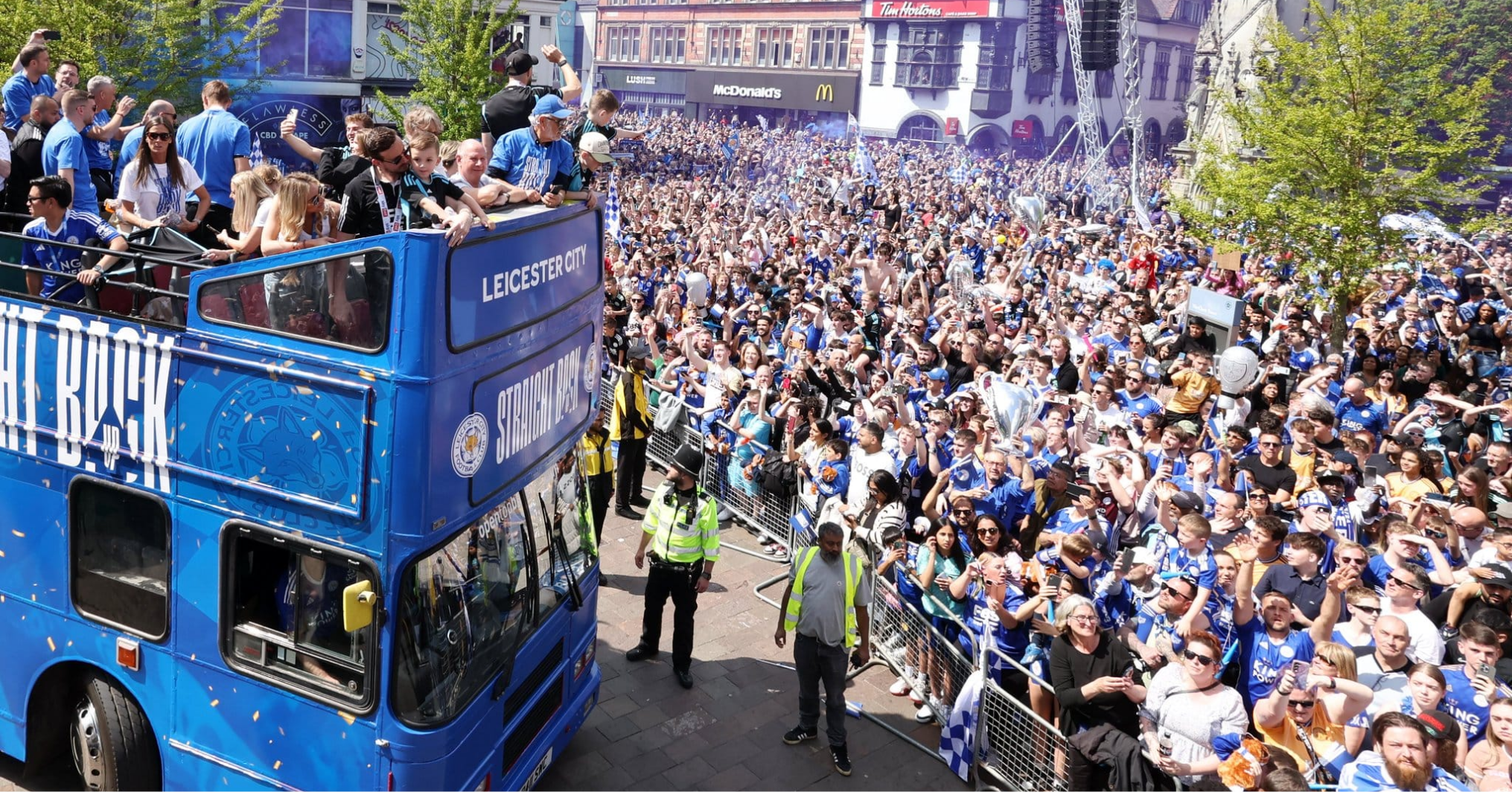
A jubilant crowd surrounds a blue open-top bus with

GET IN TOUCH

Ready to get started?

Contact our friendly team to begin your signage project today.

Say Hello